Introduction
In the lush and biodiverse land of Madagascar, where evolution has crafted a myriad of unique species, resides a small bird that has captured the fascination of ornithologists and naturalists alike—Archbold’s Newtonia (Newtonia archboldi). This diminutive bird, named in honor of the renowned American explorer and ornithologist Richard Archbold, is a testament to the rich ecological tapestry of Madagascar. The island nation, often referred to as the "eighth continent" due to its high levels of endemism and biodiversity, provides a fitting backdrop for such an intriguing avian species.
Taxonomy and Classification
Archbold’s Newtonia belongs to the family Vangidae, a group of birds that are exclusively found in Madagascar. The Vangidae family is notable for its diversity, with its members exhibiting a wide range of morphological and ecological adaptations. Newtonia archboldi is a member of the genus Newtonia, which comprises several small, insectivorous birds endemic to Madagascar. Despite its relatively recent scientific description, Archbold’s Newtonia has become a focal point for researchers studying Madagascar’s unique avifauna.
Physical Description
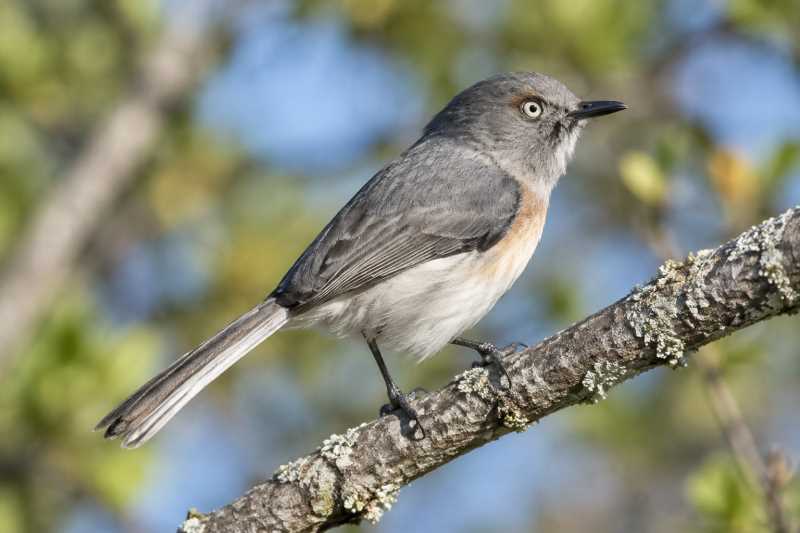
Archbold’s Newtonia is a small, unobtrusive bird, measuring approximately 12 centimeters in length. It is characterized by its drab plumage, which serves as effective camouflage against the backdrop of the forest. The bird’s upperparts are predominantly olive-brown, while the underparts are a lighter grayish-white. Its inconspicuous appearance is complemented by a short, slender bill adapted for gleaning insects from foliage. Despite its modest appearance, Archbold’s Newtonia exhibits several adaptations that make it well-suited to its environment.
Habitat and Distribution
This species is primarily found in the dry deciduous forests of western Madagascar, a region that is both ecologically rich and under significant threat from human activities. The dry forests, with their distinct seasonal patterns, offer a unique habitat that supports a wide range of endemic species. Archbold’s Newtonia is typically associated with forest edges and secondary growth, where it forages for insects among the foliage. Its preference for these habitats underscores the importance of preserving Madagascar’s forest ecosystems, which are rapidly diminishing due to deforestation and land conversion.
Behavior and Ecology
Archbold’s Newtonia is primarily insectivorous, feeding on a diet of insects and other small invertebrates. It employs a foraging strategy known as "gleaning," where it picks insects from leaves and branches with its specialized bill. This method of feeding highlights the bird’s role in controlling insect populations within its habitat, thereby contributing to the ecological balance of the forest.
Socially, Archbold’s Newtonia is known for its vocalizations, which play a crucial role in territory establishment and mate attraction. Its calls are characterized by a series of rapid, high-pitched notes that can be heard echoing through the forest. These vocalizations are not only important for communication but also serve as a means of maintaining social cohesion within groups.
Reproduction and Lifespan
Much of what is known about the reproductive behavior of Archbold’s Newtonia comes from observations of related species within the Newtonia genus. Like its relatives, Archbold’s Newtonia is believed to be monogamous, forming long-term pair bonds. Nesting typically occurs during the dry season, with nests being constructed in dense foliage to provide protection from predators. The bird lays a clutch of two to three eggs, which are incubated by both parents. This biparental care is essential for the successful rearing of chicks in the challenging environment of Madagascar’s dry forests.
Conservation Status
The conservation status of Archbold’s Newtonia is currently listed as "Near Threatened" by the International Union for Conservation of Nature (IUCN). The primary threats to its survival are habitat loss and degradation, driven by deforestation, agriculture, and human settlement. As Madagascar’s forests continue to shrink, the habitat available to Archbold’s Newtonia and countless other endemic species is rapidly diminishing.
Conservation efforts aimed at preserving Madagascar’s unique biodiversity are critical for the survival of Archbold’s Newtonia. Initiatives such as protected area designation, reforestation projects, and community-based conservation programs are essential for safeguarding the habitats that support this and other species.
Research and Study
Research on Archbold’s Newtonia has been limited, primarily due to its elusive nature and the challenges associated with studying wildlife in Madagascar’s remote regions. However, ongoing studies are focused on understanding its ecological role, population dynamics, and responses to environmental changes. These efforts are crucial for informing conservation strategies and ensuring the long-term survival of the species.
Conclusion
Archbold’s Newtonia is a remarkable example of the unique and diverse avian life found in Madagascar. As a representative of the island’s endemic wildlife, it highlights the need for concerted conservation efforts to protect Madagascar’s rich natural heritage. Preserving the habitats that support Archbold’s Newtonia and other unique species is not only vital for maintaining biodiversity but also for ensuring the ecological integrity of one of the world’s most extraordinary ecosystems.
In summary, Archbold’s Newtonia stands as a symbol of Madagascar’s unparalleled biodiversity. Through research, conservation, and public awareness, we can work towards a future where this and other unique species continue to thrive in their natural habitats.
References
- Hawkins, A. F. A., & Goodman, S. M. (2003). "The Birds of Madagascar: A Summary and Checklist." British Ornithologists’ Union.
- Schulenberg, T. S., Hawkins, F., & Safford, R. J. (1999). "A Field Guide to the Birds of Madagascar." Yale University Press.
- BirdLife International (2021). "Newtonia archboldi." The IUCN Red List of Threatened Species.
Related posts