The Great Shrike-Tyrant: A Majestic South American Bird
The Great Shrike-Tyrant (Agriornis lividus) stands as one of the most fascinating avian species native to South America. Known for its imposing size and striking presence, this bird captures the attention of ornithologists and birdwatchers alike. Despite its somewhat intimidating name, the Great Shrike-Tyrant is a fascinating and complex species that plays a vital role in its ecosystem.
Taxonomy and Description
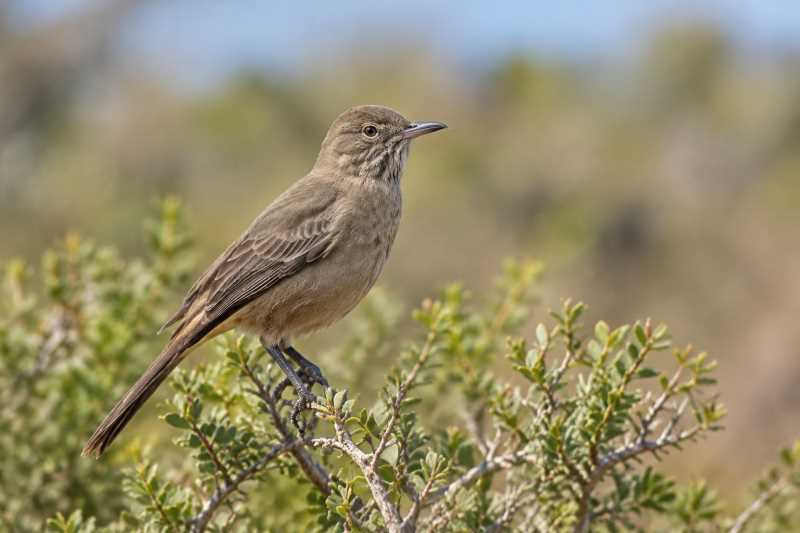
Belonging to the family Tyrannidae, the Great Shrike-Tyrant is one of the largest members of the tyrant flycatchers, a diverse family endemic to the Americas. Its scientific name, Agriornis lividus, hints at its robust nature and distinctive coloration. The bird measures between 27 to 30 centimeters in length, making it one of the largest passerines in its range. Its plumage is predominantly gray, with subtle variations that offer excellent camouflage in its natural habitat.
The Great Shrike-Tyrant’s most distinctive features are its strong, hooked bill and powerful talons, which are reminiscent of the raptors it is often compared to. These adaptations are not merely decorative; they are essential tools for survival, aiding in the capture of prey and defense against potential threats.
Habitat and Distribution
Native to the southern regions of South America, the Great Shrike-Tyrant is primarily found in Argentina and Chile. It inhabits a variety of environments, ranging from open fields and grasslands to scrubland and lowland forests. This adaptability allows the species to thrive in diverse ecological niches, although it exhibits a preference for areas with scattered trees or shrubs which provide excellent perching spots.
The bird is notably absent from densely forested regions and prefers more open areas where it can easily spot and pursue prey. This preference for open habitats makes the Great Shrike-Tyrant an important indicator species for the health of these ecosystems.
Behavior and Diet
As its name suggests, the Great Shrike-Tyrant exhibits behavior similar to that of shrikes, although it is not closely related to them. It is an aggressive and territorial bird, often seen perched conspicuously as it scans the surroundings for potential prey. Its diet is diverse and opportunistic, including insects, small mammals, and occasionally other birds. The bird’s powerful bill is particularly effective for hunting, allowing it to subdue even larger prey items.
Despite its predatory nature, the Great Shrike-Tyrant is not solely an aggressive hunter. It also engages in a variety of social behaviors, particularly during the breeding season. Courtship displays are elaborate, involving aerial acrobatics and vocalizations designed to attract mates.
Breeding and Reproduction
The breeding season for the Great Shrike-Tyrant occurs during the southern hemisphere’s spring and summer months, typically from September to February. During this time, males engage in elaborate displays to attract females. These displays often involve complex flight patterns and a series of calls that demonstrate the male’s fitness and territorial dominance.
Nesting occurs in trees or shrubs, where the female constructs a cup-shaped nest using twigs, grass, and other available materials. The female typically lays two to four eggs, which she incubates for around two weeks. Once hatched, both parents are involved in feeding and protecting the young until they are ready to fledge.
Conservation Status
Currently, the Great Shrike-Tyrant is not classified as threatened or endangered. However, habitat destruction and changes in land use pose potential risks to its population. Conservation efforts are focused on preserving its natural habitats and ensuring that open grasslands and scrublands are maintained.
Organizations involved in South American bird conservation emphasize the importance of monitoring the Great Shrike-Tyrant populations to detect any early signs of decline. By maintaining healthy ecosystems where these birds can thrive, conservationists aim to preserve the balance that allows species like the Great Shrike-Tyrant to continue playing their ecological roles.
Conclusion
The Great Shrike-Tyrant is a remarkable example of avian adaptation and survival. Its striking appearance and complex behaviors make it a subject of great interest to bird enthusiasts and researchers. As we continue to learn more about this species, it becomes increasingly clear that preserving its habitat is crucial not only for the Great Shrike-Tyrant itself but for the broader ecological communities it supports. Through dedicated conservation efforts and increased awareness, we can ensure that this majestic bird continues to grace the skies of South America for generations to come.
Related posts