The Spotted Tody-Flycatcher: A Jewel of the Neotropical Skies
In the vast tapestry of the Neotropical ecosystems, few birds capture the attention of ornithologists and bird enthusiasts quite like the Spotted Tody-Flycatcher (Todirostrum maculatum). This diminutive avian, with its striking appearance and fascinating behaviors, serves as a symbol of the ecological richness found within its habitat. As we delve into the world of the Spotted Tody-Flycatcher, we uncover the intricacies of its life, the challenges it faces, and the role it plays in its environment.
A Glimpse into its Habitat
The Spotted Tody-Flycatcher is primarily found in the lowland tropical forests, mangroves, and shrublands of Central and South America. Its range extends from Panama through the Amazon Basin, reaching parts of Colombia, Venezuela, the Guianas, and northern Brazil. The bird thrives in these warm, humid environments, favoring areas that provide dense foliage for foraging and nesting. These habitats not only offer the Spotted Tody-Flycatcher ample food sources but also protection from predators.
Physical Characteristics and Identification
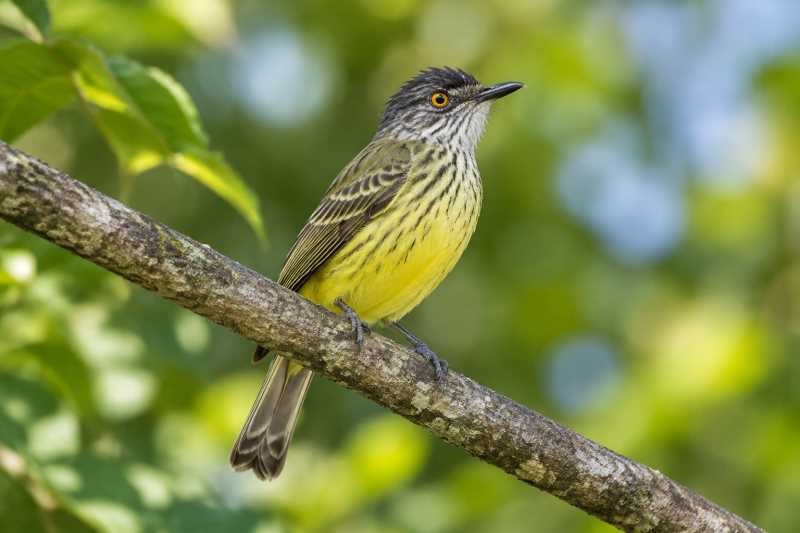
Despite its small size, typically measuring around 9-10 centimeters in length and weighing approximately 6-7 grams, the Spotted Tody-Flycatcher is easy to identify due to its vivid coloration and distinct markings. The bird exhibits a bright yellow underbelly, contrasted by olive-green upperparts. Its head and back are adorned with delicate spots, giving it the ‘spotted’ moniker. The Tody-Flycatcher’s eyes are encircled by a fine white ring, enhancing its alert expression. Its short tail and compact wings are adapted for quick, agile flight, aiding in its pursuit of insects.
Feeding Behavior and Diet
As an insectivore, the Spotted Tody-Flycatcher plays a crucial role in controlling insect populations within its ecosystem. Its diet primarily consists of small insects and arthropods, including flies, beetles, spiders, and caterpillars. The bird employs a ‘sit-and-wait’ hunting strategy, often perching motionless on a branch before darting out to snatch prey mid-air or from foliage. This method not only conserves energy but also allows the bird to remain inconspicuous to predators.
Breeding and Nesting Habits
The breeding season of the Spotted Tody-Flycatcher typically aligns with the onset of the rainy season, ensuring an abundance of food for the raising of chicks. The species is known for its unique nesting behavior. Using plant fibers, spider silk, and other natural materials, the pair constructs a hanging, pouch-like nest suspended from the tips of tree branches. This distinctive structure helps protect the eggs and chicks from predators and swaying in the wind.
Both male and female contribute to nest building and caring for the young. Females generally lay two to three eggs, which are incubated for about two weeks. Once hatched, both parents are involved in feeding the chicks, which fledge approximately two weeks after hatching. The cooperative breeding strategy of the Spotted Tody-Flycatcher highlights the importance of pair bonds and shared parental responsibilities.
Vocalizations and Communication
Communication is vital for the Spotted Tody-Flycatcher, primarily through vocalizations that help establish territory and strengthen pair bonds. Their calls are high-pitched and consist of a series of quick, repetitive notes described as a ‘tic-tic-tic’ sound. These vocalizations serve both as a warning to potential rivals and a reassurance between mates.
Conservation Status and Threats
Currently, the Spotted Tody-Flycatcher is classified as a species of Least Concern by the International Union for Conservation of Nature (IUCN). However, like many species native to tropical regions, it faces threats from habitat destruction due to deforestation and land conversion for agriculture. The preservation of tropical forests and mangroves is crucial for the continued survival of this species, as these habitats provide the resources necessary for feeding, breeding, and shelter.
Conservation efforts aimed at protecting these environments indirectly benefit the Spotted Tody-Flycatcher and countless other species that rely on these ecosystems. Sustainable land-use practices and the establishment of protected areas are vital steps toward ensuring the longevity of the bird’s habitat.
The Role in Ecosystem Dynamics
The Spotted Tody-Flycatcher, though small in stature, plays a significant role in its ecosystem. As a predator of insects, it helps maintain the balance of arthropod populations, preventing potential outbreaks that could harm plant life. Additionally, its nesting behavior contributes to the recycling of organic materials, as the nests eventually decompose and enrich the forest floor.
By understanding and appreciating the ecological niche occupied by the Spotted Tody-Flycatcher, we gain insights into the complex interdependencies that define tropical ecosystems. Protecting this bird and its habitat not only preserves a unique avian species but also supports the broader health of the environment.
Conclusion
The Spotted Tody-Flycatcher stands as a testament to the diversity and beauty of Neotropical wildlife. Its vibrant presence and intriguing behaviors remind us of the delicate balance within natural ecosystems and the ongoing need for conservation efforts. As we continue to explore and study these remarkable birds, we deepen our appreciation for the natural world and the intricate connections that sustain it.
"Explore the wonders of the Spotted Tody-Flycatcher, a vibrant bird of the Neotropics, and discover its unique role in the ecosystem and the importance of conservation efforts."
Related posts