The Enigmatic White-cheeked Tody-Flycatcher: A Jewel of the Amazon
The White-cheeked Tody-Flycatcher (Poecilotriccus albifacies) is a small yet captivating bird species that resides in the dense and vibrant forests of the Amazon Basin in South America. Known for its distinctive white cheeks and melodious calls, this bird is a remarkable example of the biodiversity that thrives in tropical rainforest ecosystems. This article delves into the unique characteristics, habitat, behavior, and conservation status of the White-cheeked Tody-Flycatcher, highlighting its ecological significance and the challenges it faces in an ever-changing world.
Unique Characteristics
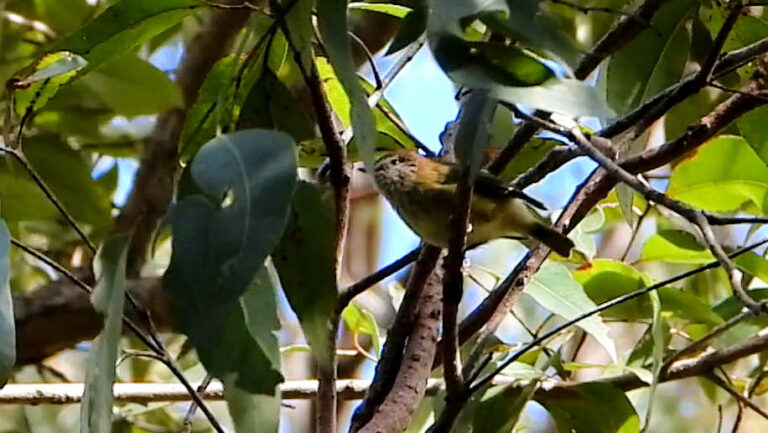
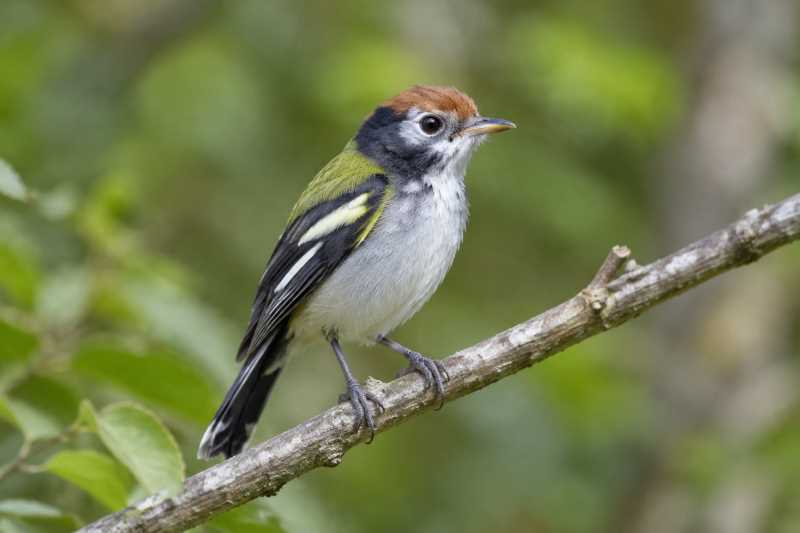
The White-cheeked Tody-Flycatcher is a member of the Tyrannidae family, which comprises approximately 400 species of small passerine birds commonly referred to as tyrant flycatchers. This particular species is easily recognizable by its striking plumage; it sports a vibrant green back, a bright yellow throat, and its namesake feature—a conspicuous white patch on each cheek. These features provide excellent camouflage among the foliage, allowing it to blend seamlessly into its lush environment.
Measuring about 9 cm in length and weighing just around 7 grams, the White-cheeked Tody-Flycatcher is a diminutive bird. Despite its small size, it is a superb aviator, adept at maneuvering through the forest understory and canopy in pursuit of insects and small arthropods, which make up the bulk of its diet.
Habitat and Distribution
The White-cheeked Tody-Flycatcher is predominantly found in the lowland rainforests of the Amazon Basin, particularly in Peru and Bolivia. It favors humid, tropical environments where it inhabits the understory and mid-story layers of the forest. The dense vegetation provides ample food resources and nesting sites, making these areas ideal for the species’ survival.
These birds are often observed in pairs or small family groups, foraging for insects on foliage, twigs, and branches. Their presence is most easily detected by their distinctive song, a series of sharp, high-pitched notes that echo through the forest.
Behavior and Ecology
The White-cheeked Tody-Flycatcher is an active and agile bird, constantly on the move as it searches for food. Its feeding strategy involves a combination of sallying flights to catch prey mid-air and gleaning insects from the forest foliage. This dual approach allows the bird to exploit a wide range of insect prey, demonstrating its adaptability within its habitat.
Breeding typically occurs during the rainy season when food availability is at its peak. The species is known for its elaborate courtship displays, which involve acrobatic flight maneuvers and vocalizations to attract a mate. Once paired, the birds build a small, cup-shaped nest, usually concealed among dense vegetation to protect it from predators.
Parental care is a shared responsibility, with both the male and female participating in feeding and protecting the chicks until they are ready to fledge. This cooperative behavior is crucial for the survival of the young in the challenging rainforest environment.
Conservation Status and Challenges
Currently, the White-cheeked Tody-Flycatcher is classified as a species of ‘Least Concern’ by the International Union for Conservation of Nature (IUCN). However, like many other species in the Amazon, it faces significant threats from habitat destruction and fragmentation due to deforestation, agriculture, and logging activities.
The rapid loss of rainforest habitat not only diminishes the available living space for these birds but also disrupts the intricate ecological networks they are part of. Conservation efforts are essential to preserve the diverse ecosystems of the Amazon, ensuring that species like the White-cheeked Tody-Flycatcher continue to thrive.
Conclusion
The White-cheeked Tody-Flycatcher is a testament to the rich biodiversity and ecological complexity of the Amazon rainforest. Its striking appearance, intricate behaviors, and adaptability make it a fascinating subject of study for ornithologists and bird enthusiasts alike. As we continue to explore and understand the natural world, it is imperative that we work towards preserving these vital ecosystems, ensuring that future generations can also marvel at the wonders of species such as the White-cheeked Tody-Flycatcher.
In a world where environmental challenges are mounting, the story of the White-cheeked Tody-Flycatcher serves as a reminder of the delicate balance that sustains life on Earth and the responsibility we bear in safeguarding it.
Related posts