The Green-backed Hillstar: A Jewel of the Andean Skies
The Green-backed Hillstar (Urochroa leucura) is a captivating hummingbird species indigenous to the Andean region of South America. Renowned for its vibrant plumage and agile flight, this bird is a testament to the rich biodiversity that characterizes its mountainous habitat. This article delves into the intriguing life of the Green-backed Hillstar, exploring its physical characteristics, habitat, behavior, and the conservation challenges it faces.
Physical Characteristics
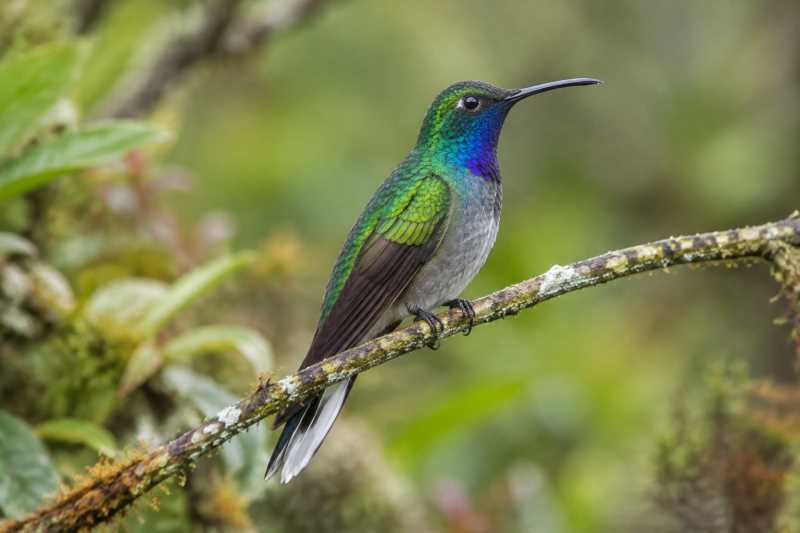
The Green-backed Hillstar is a medium-sized hummingbird, predominantly recognized for its shimmering green plumage that adorns its back. Males and females exhibit similar coloration, although the males typically possess more vibrant hues. The bird’s underparts are predominantly white, providing a stark contrast to its green back, while its wings and tail are a darker shade. The Hillstar’s iridescent hues can change with the angle of light, presenting a breathtaking display of color in flight.
One of the most distinguishing features of the Green-backed Hillstar is its long, slightly curved bill, perfectly adapted for feeding on the nectar of tubular flowers. This evolutionary trait enables the Hillstar to access food sources that are otherwise unreachable for many other birds, showcasing its specialized niche within the ecosystem.
Habitat and Distribution
The Green-backed Hillstar predominantly inhabits the Andean regions of Colombia, Ecuador, and northern Peru. It thrives in high-altitude cloud forests, páramo grasslands, and shrublands, typically found at elevations ranging from 1,800 to 3,500 meters (5,900 to 11,500 feet). These environments offer an abundance of flowering plants, which are crucial for the Hillstar’s diet.
The bird’s preference for such diverse habitats highlights its adaptability, yet also underscores the importance of preserving these environments. As human activity increasingly encroaches upon these natural landscapes, the Green-backed Hillstar, like many other species, faces challenges that threaten its existence.
Behavior and Diet
The Green-backed Hillstar is a solitary bird, spending most of its time foraging for food. Its diet primarily consists of nectar from native Andean flowers, supplemented by small insects and spiders. This diet provides the necessary energy to sustain its high metabolism, a characteristic trait of hummingbirds.
The Hillstar is known for its remarkable flight abilities, capable of hovering in place as it feeds. This hovering is facilitated by rapid wing beats, sometimes reaching speeds of up to 70 beats per second, allowing the bird to maintain a stable position while extracting nectar from flowers.
This species is also territorial, with individuals often defending their feeding territories against intruders. This behavior ensures a steady food supply and is particularly crucial during breeding seasons when energy demands increase.
Reproduction
Breeding for the Green-backed Hillstar typically occurs during the wet season, when food resources are abundant. The female is solely responsible for nest building and caring for the young. Nests are usually constructed on steep slopes or cliffs, using moss, plant fibers, and spider webs to create a secure and insulated environment for the eggs.
The female lays two eggs, which she incubates for about two weeks. Once hatched, the chicks are fed regurgitated food until they fledge after approximately three weeks. This reproductive strategy ensures that offspring are raised during a time of relative food abundance, increasing their chances of survival.
Conservation Status and Challenges
Currently, the Green-backed Hillstar is listed as Least Concern on the IUCN Red List. However, its population is believed to be declining due to habitat loss and fragmentation. The expansion of agriculture, mining activities, and urban development are significant threats to its natural habitat.
Conservation efforts are essential to safeguard the future of the Green-backed Hillstar. Protecting its habitat through the establishment of reserves and promoting sustainable land use practices are crucial steps. Additionally, raising awareness about the ecological importance of this species can foster community involvement in conservation initiatives.
Conclusion
The Green-backed Hillstar is a remarkable example of nature’s diversity and adaptability. Its presence in the Andes is not only a testament to its evolutionary success but also a reminder of the delicate balance that sustains our planet’s ecosystems. Preserving such species is imperative, as they play integral roles in pollination and maintaining the ecological integrity of their habitats.
As we continue to explore and understand the natural world, the Green-backed Hillstar serves as both an inspiration and a call to action. By protecting these vibrant creatures and their habitats, we ensure that future generations can also marvel at the beauty and wonder of the Andean skies.
Related posts