The Enigmatic Flammulated Owl: A Comprehensive Insight into Psiloscops flammeolus
Among the canopy of coniferous forests in North America, the Flammulated Owl (Psiloscops flammeolus) thrives as a master of disguise and nocturnal intrigue. This small, elusive owl, characterized by its unique plumage and distinctive calls, continues to captivate ornithologists and bird enthusiasts alike. This article delves into the fascinating life of the Flammulated Owl, exploring its habitat, behavior, conservation status, and more.
Physical Characteristics and Identification
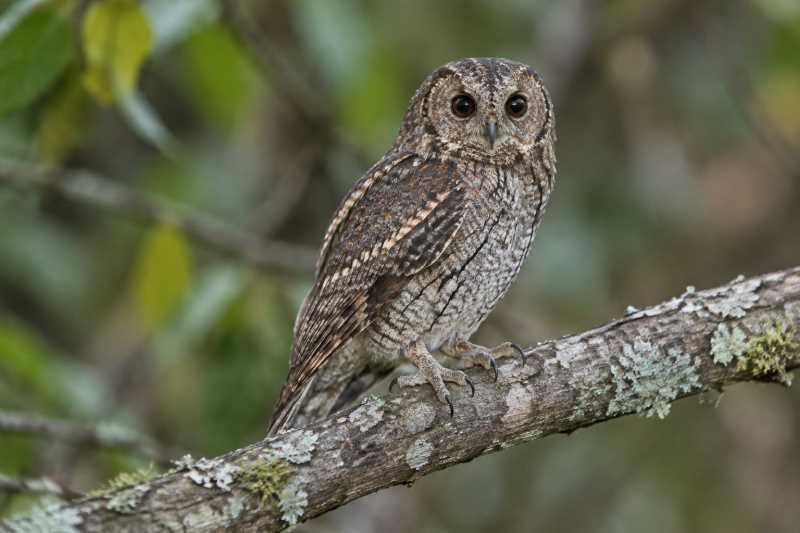
The Flammulated Owl is one of the smallest owls in North America, measuring approximately 6 to 7 inches in length with a wingspan ranging from 14 to 16 inches. Despite its diminutive size, the owl’s presence is marked by its striking plumage. The name "flammulated" refers to the flame-like patterns on its feathers, which help it blend seamlessly into the bark of trees. Its grayish-brown body is adorned with vertical streaks and a subtle rusty hue that provides excellent camouflage against predators.
Distinguishing the Flammulated Owl from other species can be challenging due to its nocturnal habits and reclusive nature. However, its dark eyes, small ear tufts, and unique vocalizations—soft, low-pitched hoots—are key identifiers for those lucky enough to encounter this elusive bird.
Habitat and Distribution
The Flammulated Owl primarily inhabits montane forests, favoring areas with mature ponderosa pine, Douglas-fir, and mixed coniferous species. These forests, ranging from southern British Columbia down through the western United States and into Mexico, provide the ideal environment for nesting and hunting. The owl’s preference for higher altitudes, typically between 3,000 to 10,000 feet, means it often resides in remote, rugged landscapes that shield it from human activity.
During the breeding season, which occurs from April to June, the Flammulated Owl nests in tree cavities, often those abandoned by woodpeckers. The availability of suitable nesting sites is crucial for the species’ reproductive success, making the preservation of old-growth forests vital for their survival.
Behavior and Diet
The Flammulated Owl is a nocturnal predator, hunting primarily at night. Its diet consists predominantly of insects, particularly moths, beetles, and crickets, which it captures with remarkable agility in flight. The owl’s acute hearing and keen night vision make it an efficient hunter, despite its small size.
Socially, the Flammulated Owl is a solitary creature, except during the breeding season when pairs form to raise their young. These owls are known for their minimal vocalizations, often emitting a series of soft, low hoots that can be difficult to detect unless one is in proximity to their habitat.
Conservation Status and Threats
Currently, the Flammulated Owl is classified as a species of "Least Concern" on the IUCN Red List, but this status should not lead to complacency. The species faces several threats, primarily habitat loss due to logging, forest fires, and climate change. The destruction of old-growth forests for timber and land development reduces the availability of suitable nesting sites and can have a severe impact on local populations.
Conservation efforts are focused on habitat preservation and restoration, particularly the protection of mature forests that provide critical nesting and foraging opportunities. Initiatives such as controlled burns and sustainable forestry practices aim to maintain the ecological balance needed for the Flammulated Owl and other forest-dependent species.
Research and Citizen Science
Much about the Flammulated Owl remains a mystery due to its elusive nature and challenging habitat. However, recent advancements in research technology, such as bioacoustic monitoring and satellite tracking, have provided new insights into the owl’s behavior and migration patterns. These studies are crucial for developing effective conservation strategies and understanding the ecological role of this enigmatic bird.
Citizen science programs also play a significant role in monitoring Flammulated Owl populations. Birdwatchers and nature enthusiasts contribute valuable data through observations and recordings, helping scientists track changes in distribution and population trends.
Conclusion
The Flammulated Owl is a remarkable testament to the biodiversity within North America’s montane forests. Its survival hinges on the delicate balance of its ecosystem and the concerted efforts of conservationists, researchers, and the public. By increasing awareness and fostering a deeper understanding of this cryptic species, we can ensure that the Flammulated Owl continues to enchant future generations with its mysterious presence and haunting calls.
Related posts