The Enigmatic Makira Dwarf Kingfisher: A Jewel of the Solomon Islands
In the dense, lush rainforests of the Solomon Islands, a vibrant splash of color flits through the canopy. This striking sight is none other than the Makira Dwarf Kingfisher (Ceyx gentianus), a bird species that has captivated ornithologists and nature enthusiasts alike. Revered for its dazzling plumage and elusive nature, the Makira Dwarf Kingfisher embodies both the beauty and mystery of its tropical habitat.
Introduction to the Makira Dwarf Kingfisher
The Makira Dwarf Kingfisher is a member of the Alcedinidae family, a group known for its diverse and often vibrant kingfishers. This particular species is endemic to Makira Island, one of the larger islands in the Solomon Islands archipelago. Despite its isolated range, this bird has managed to thrive in its forested environment, displaying a remarkable adaptation to its surroundings.
Physical Characteristics
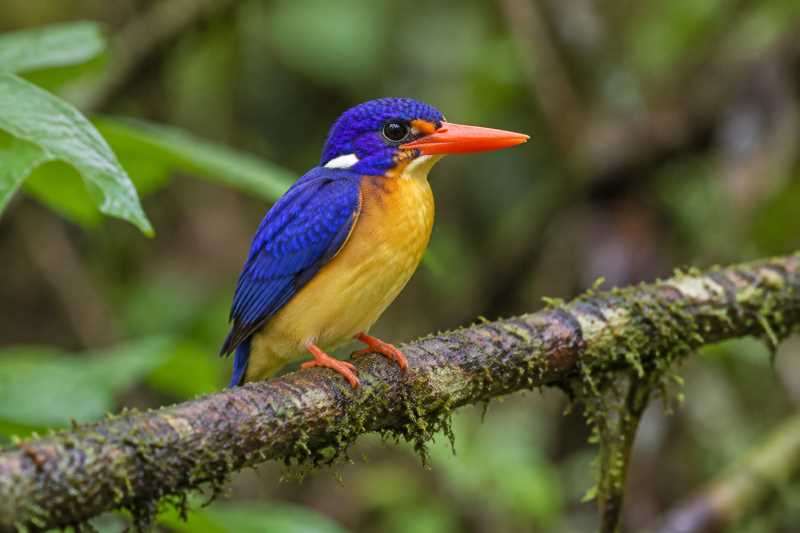
One of the most captivating features of the Makira Dwarf Kingfisher is its stunning appearance. Adult birds typically measure about 11 to 12 centimeters in length, making them one of the smaller members of the kingfisher family. Their plumage is a dazzling combination of blue, orange, and white, with a distinctive cobalt blue covering the head and upper parts. The underparts are a contrasting bright orange, which further enhances their visual appeal. Their eyes are dark, adding an intensity to their already striking visage.
The Makira Dwarf Kingfisher’s bill is relatively long and slender, an adaptation that aids in its feeding habits. Unlike some of their relatives, these kingfishers are not piscivorous; instead, they feed primarily on insects and small invertebrates, which they skillfully capture using their agile flight and keen eyesight.
Habitat and Behavior
Makira Island offers a unique ecosystem that is both a refuge and a challenge for its endemic species. The island’s rainforest is characterized by high humidity, dense foliage, and a diverse array of flora and fauna. The Makira Dwarf Kingfisher is particularly fond of lowland and montane forests, where it can find both food and suitable nesting sites.
These kingfishers are known for their elusive nature. They are often found alone or in pairs, flitting silently through the understory, their presence more often heard than seen. The bird’s call is a series of sharp, high-pitched notes that echo through the forest. This vocalization serves as both a territorial marker and a means of communication between mates.
Conservation Status and Challenges
Currently, the Makira Dwarf Kingfisher is classified as Near Threatened by the International Union for Conservation of Nature (IUCN). The primary threat facing this species is habitat loss due to logging and land conversion for agriculture. As the forests of Makira Island are cleared or degraded, the available habitat for these birds becomes increasingly restricted.
Conservation efforts are crucial to ensure the survival of this species. Protecting the remaining forest habitats on Makira Island is essential, as is promoting sustainable land-use practices that balance human needs with biodiversity conservation. Additionally, further research on the species’ ecology and population dynamics is needed to inform effective conservation strategies.
The Role of the Makira Dwarf Kingfisher in Ecosystem
The Makira Dwarf Kingfisher plays a significant role in its ecosystem, as do many bird species within tropical forests. By feeding on insects and small invertebrates, it helps control pest populations, maintaining the delicate balance of the forest ecosystem. Moreover, as a part of the food chain, these kingfishers provide prey for larger predators, thus contributing to the overall biodiversity of the region.
Conclusion
The Makira Dwarf Kingfisher is more than just a beautiful bird; it is a symbol of the rich and unique biodiversity of the Solomon Islands. Its presence in the forests of Makira serves as a reminder of the intricate web of life that thrives in these tropical environments. Protecting this species requires a concerted effort to preserve its habitat and address the challenges posed by human activities.
As we continue to study and admire the Makira Dwarf Kingfisher, we are reminded of the importance of conservation and the need to maintain the natural beauty of our planet. Through awareness and action, we can ensure that future generations will also have the privilege of witnessing the splendor of this remarkable bird in its natural habitat.
Related posts