The Elusive Jewel of Malaysia: The Blue-banded Kingfisher
Malaysia, a paradise of biodiversity, hosts an array of remarkable wildlife, nestled within its lush rainforests and vibrant ecosystems. Among its avian treasures, the Malaysian Blue-banded Kingfisher (Alcedo peninsulae) stands out as a striking emblem of the region’s natural beauty. This article delves into the fascinating world of this elusive kingfisher, exploring its habitat, behavior, conservation status, and the challenges it faces.
A Glimpse into the Natural Habitat
The Malaysian Blue-banded Kingfisher is predominantly found in Peninsular Malaysia, although its range extends into southern Thailand. This species thrives in lowland forest streams, favoring clear, fast-flowing waters with rocky substrates and dense, overhanging vegetation. These riparian zones not only provide essential feeding grounds but also offer the seclusion needed for nesting and breeding.
The kingfisher’s preference for pristine habitats underscores the importance of conserving Malaysia’s primary forests. Sadly, these environments are increasingly threatened by deforestation, logging, and agricultural expansion, which pose significant risks to the species’ survival.
Distinctive Features and Behavior
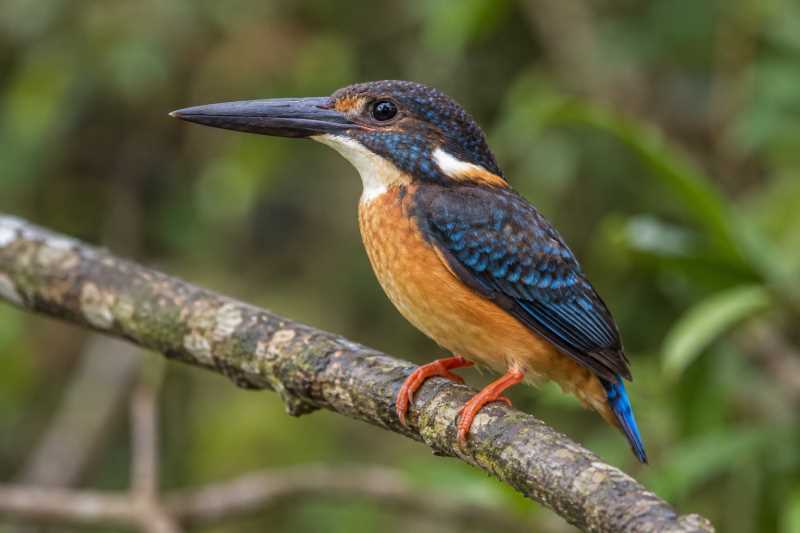
The Blue-banded Kingfisher is a small, yet vividly colored bird, measuring approximately 16-18 cm in length. Its most striking feature is its vibrant plumage: a dazzling combination of azure and cobalt blue, contrasted with a distinctive orange underbelly. A broad, blue band across its chest is a signature characteristic that gives the species its name.
These kingfishers are diurnal and exhibit a solitary nature, often observed perched quietly on low branches overhanging streams, scanning for prey. Their diet primarily consists of small fish and aquatic invertebrates, which they expertly catch with swift dives into the water.
Despite their striking appearance, Blue-banded Kingfishers are notoriously difficult to spot. Their elusive nature and preference for secluded habitats make sightings a rare delight for birdwatchers and ornithologists alike.
Conservation Status and Challenges
The International Union for Conservation of Nature (IUCN) currently lists the Malaysian Blue-banded Kingfisher as Near Threatened. The primary threat to its survival is habitat destruction. Deforestation for timber and the conversion of forests to agricultural land are major contributors to the loss of suitable habitats for these kingfishers.
In addition to habitat loss, pollution poses another significant threat. Chemicals from pesticides and fertilizers can contaminate the waterways that these birds depend on for food. Furthermore, climate change may alter rainfall patterns and water availability, impacting the delicate ecosystems that support the kingfisher’s habitat.
Conservation Efforts and Future Outlook
Conservation efforts for the Malaysian Blue-banded Kingfisher are crucial to ensure its survival. Protecting existing forests and restoring degraded habitats are vital steps. Establishing protected areas that encompass key habitats can provide safe havens for the species to thrive.
Community involvement is also essential in conservation efforts. Educating local communities about the importance of preserving their natural heritage can foster a culture of conservation. Sustainable practices, such as eco-tourism, can provide economic incentives while promoting habitat conservation.
Research plays a pivotal role in understanding the needs of the Blue-banded Kingfisher. Continued studies on its behavior, breeding patterns, and population dynamics are necessary to inform effective conservation strategies.
Conclusion
The Malaysian Blue-banded Kingfisher is more than just a bird; it is a symbol of the rich biodiversity that Malaysia harbors. Protecting this species requires a concerted effort from governments, conservationists, and local communities. By preserving the pristine environments that these kingfishers call home, Malaysia can ensure that future generations will also have the opportunity to marvel at this avian jewel.
In the face of growing environmental challenges, the story of the Blue-banded Kingfisher serves as a reminder of the delicate balance between development and conservation. It is a call to action to safeguard the natural wonders that define our world.
Related posts