The Enigmatic Sumba Boobook: A Glimpse into the Life of Ninox rudolfi
In the lush, diverse landscapes of Sumba Island, Indonesia, a unique avian species nests quietly amidst the tropical foliage—the Sumba Boobook (Ninox rudolfi). This elusive owl, relatively unknown to the world, plays a vital ecological role in its habitat. As environmentalists and ornithologists turn their focus to the conservation of this bird, understanding its behavior, habitat, and challenges becomes paramount.
A Distinctive Owl of the Lesser Sunda Islands
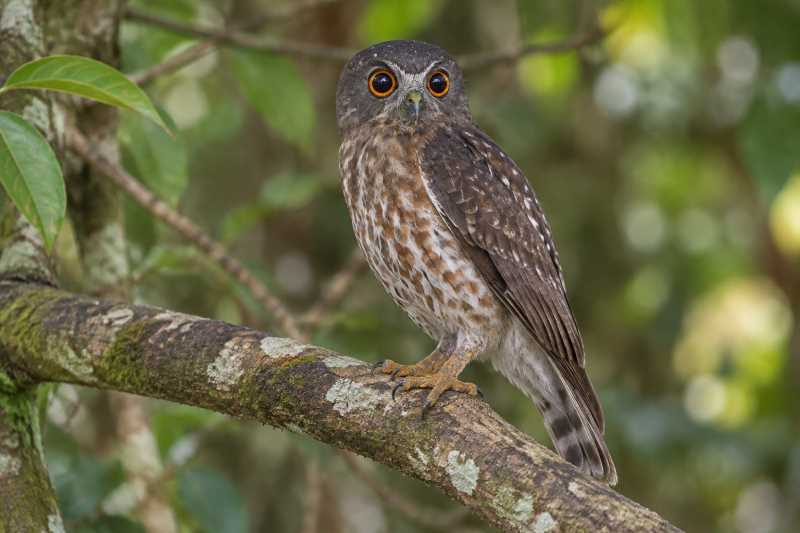
The Sumba Boobook is a member of the Strigidae family, known for its distinctive calls and nocturnal habits. Found exclusively on the island of Sumba, this bird is a testament to the region’s rich biodiversity. The Sumba Boobook is medium-sized, with a length ranging from 25 to 30 centimeters. Its plumage is generally brown with streaks of white and buff, providing excellent camouflage against the wooded backdrop. The striking yellow eyes of the Sumba Boobook are perhaps its most captivating feature, allowing it to spot prey in the dim light.
This owl is known for its hauntingly beautiful call, often heard echoing through the island’s forests during the night. The vocalization of the Sumba Boobook is more than just a mating call; it is an essential communication tool in establishing territory and signaling the presence of predators or rivals.
Habitat and Behavior
Sumba Island, part of the Lesser Sunda Islands, offers a unique ecosystem where the Sumba Boobook thrives. The island’s dry tropical climate, interspersed with patches of dense rainforest, provides an ideal habitat for this owl. These birds are primarily found in lowland forests, although they have been observed in secondary forests and even near human settlements, adapting to changing environments.
The Sumba Boobook is mainly insectivorous, feeding on a diet of insects, small mammals, and occasionally small birds. Their hunting technique is a testament to their adaptability and skill, often using a perch-and-pounce strategy to catch unsuspecting prey. Their role as a predator helps maintain the ecological balance by controlling the population of insects and small animals.
Conservation Status and Threats
The Sumba Boobook is currently listed as Near Threatened by the International Union for Conservation of Nature (IUCN). The primary threat to this species is habitat loss due to deforestation and land conversion for agriculture. As Sumba Island continues to develop, the natural habitats of these owls are being fragmented, leading to decreased populations.
Additionally, the introduction of non-native species poses a significant threat. Predators such as rats and cats have been known to raid nests, reducing the survival rate of fledglings. Conservation efforts must address these issues to ensure the survival of the Sumba Boobook.
Conservation Efforts and Future Prospects
Conservationists are working tirelessly to protect the Sumba Boobook and its habitat. Initiatives include reforestation projects, establishment of protected areas, and community education programs to raise awareness about the importance of preserving the island’s biodiversity.
Collaborations between local governments, NGOs, and international conservation organizations are crucial in developing sustainable strategies to protect these owls. Research is ongoing to better understand the ecology of the Sumba Boobook, with the aim of developing targeted conservation plans.
Furthermore, ecotourism presents a unique opportunity to promote conservation efforts. By showcasing the island’s unique wildlife, including the Sumba Boobook, ecotourism can generate revenue that supports conservation initiatives while educating visitors about the importance of preserving natural habitats.
Conclusion
The Sumba Boobook is an emblem of the delicate balance within Sumba Island’s ecosystem. As a species that relies heavily on its natural habitat, its survival is intrinsically linked to the health of the environment. Through concerted conservation efforts and increased awareness, there is hope for the Sumba Boobook to continue its nocturnal serenades for generations to come. Protecting this species is not just about preserving an owl; it is about maintaining the rich biodiversity that Sumba Island has to offer.
In conclusion, the Sumba Boobook (Ninox rudolfi) stands as a symbol of nature’s resilience and the urgent need for conservation. As we deepen our understanding of this remarkable bird, we take crucial steps towards ensuring that future generations can experience the enchanting call of the Sumba Boobook in the wild.
Related posts