Introduction
The Patagonian Mockingbird (Mimus patagonicus) is a remarkable species known for its distinctive vocal abilities and adaptability in South America’s diverse ecosystems. As one of the most captivating avian inhabitants of the Patagonian region, this bird offers a fascinating glimpse into the complexity and beauty of nature. In this article, we delve into the ecology, behavior, and conservation of the Patagonian Mockingbird, exploring its role in the ecosystem and the challenges it faces in the modern world.
Taxonomy and Physical Characteristics
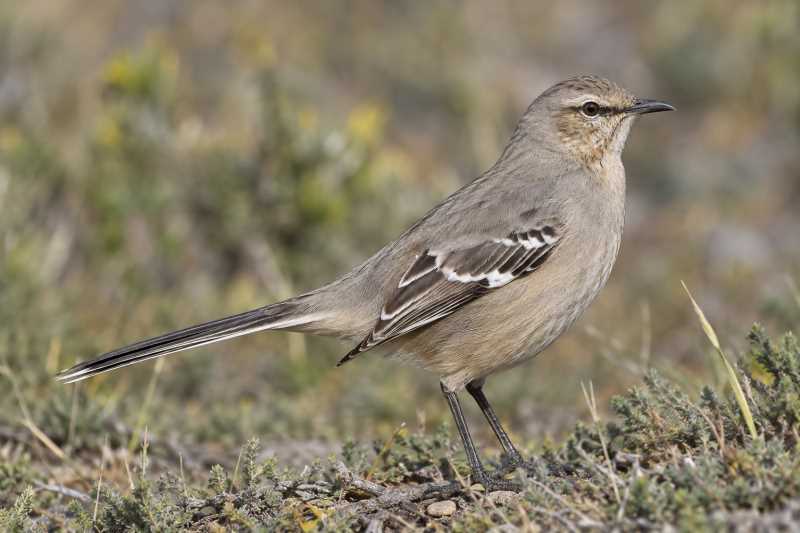
Belonging to the family Mimidae, which includes various species of mockingbirds and thrashers, the Patagonian Mockingbird is scientifically classified as Mimus patagonicus. This species is medium-sized, generally measuring around 25 centimeters in length. It features a predominantly grayish-brown plumage with a lighter underbelly, and its wings display white patches that are visible during flight. The bird’s long tail, which it often flicks, and its slender, slightly curved bill are notable characteristics that aid in its identification.
Vocal Abilities and Communication
Mockingbirds are renowned for their vocal prowess, and the Patagonian Mockingbird is no exception. These birds have a diverse repertoire of songs and calls, which they use for communication, territory defense, and mate attraction. Their ability to mimic other bird species, as well as environmental sounds, is particularly impressive. This mimicry serves various purposes, including confusing potential predators and rivals, and enriching their acoustic environment to attract mates.
Habitat and Distribution
The Patagonian Mockingbird is native to the southern regions of South America, primarily found in Argentina and parts of Chile. It inhabits a range of environments, from the shrublands and grasslands of Patagonia to more arid areas and even urban settings. This adaptability allows the species to thrive in different habitats, showcasing its resilience and ecological versatility.
Diet and Foraging Behavior
As omnivores, Patagonian Mockingbirds have a varied diet that includes insects, fruits, seeds, and occasionally small vertebrates. Their foraging behavior is opportunistic, often observed searching for food on the ground or within shrubs. They are known to take advantage of seasonal food abundance, adjusting their diet accordingly, which plays a crucial role in their survival and reproductive success.
Breeding and Reproduction
Breeding season for the Patagonian Mockingbird typically occurs from late spring to early summer. During this time, males are particularly vocal, singing to defend their territories and attract females. They construct cup-shaped nests in dense shrubs or low trees, using twigs, grass, and other plant materials. Females lay between 2 to 4 eggs per clutch, which they incubate for about two weeks. Both parents participate in feeding and caring for the chicks until they fledge.
Role in the Ecosystem
The Patagonian Mockingbird plays a vital role in its ecosystem, contributing to seed dispersal and insect population control. By consuming a diverse range of fruits and insects, these birds help maintain the balance of their habitats. Their presence also indicates the health of the ecosystem, as changes in their population can reflect broader environmental shifts.
Conservation Status and Threats
Currently, the Patagonian Mockingbird is not considered globally threatened and is classified as "Least Concern" by the International Union for Conservation of Nature (IUCN). However, like many species, it faces challenges from habitat loss due to agricultural expansion, urbanization, and climate change. Conservation efforts focus on habitat preservation and monitoring population trends to ensure this species remains a thriving part of Patagonia’s biodiversity.
Conclusion
The Patagonian Mockingbird is a symbol of the rich natural heritage of South America, embodying the resilience and adaptability needed to survive in changing environments. Understanding and preserving this species not only supports biodiversity but also enhances our appreciation of the intricate web of life in which these birds play a crucial part. As we continue to explore and protect the ecosystems of Patagonia, the Patagonian Mockingbird stands as a testament to the beauty and complexity of our natural world.
Related posts