The Black-capped Lory: A Vibrant Jewel of the Avian World
In the rich tapestry of the avian kingdom, few species stand out quite like the Black-capped Lory (Lorius lory). Known for its striking colors and engaging personality, this bird captivates the hearts of bird enthusiasts and researchers alike. This article delves into the world of the Black-capped Lory, exploring its habitat, behavior, diet, and conservation status.
Taxonomy and Physical Description
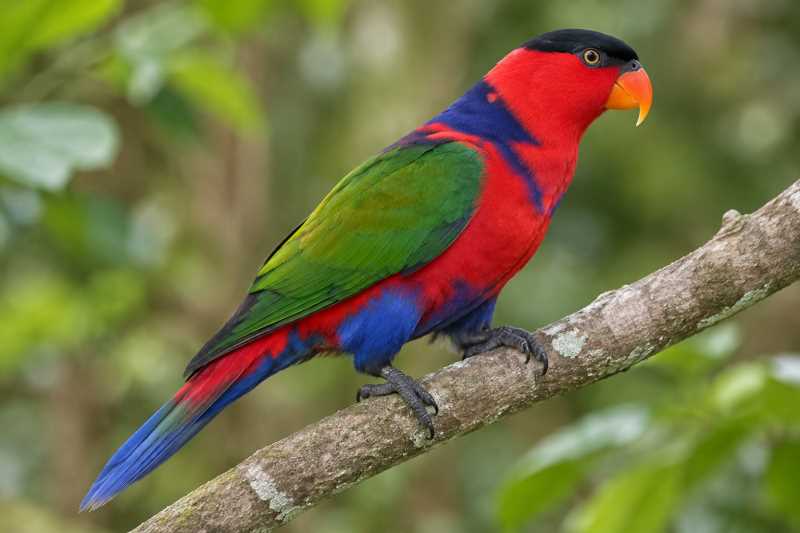
The Black-capped Lory belongs to the Psittaculidae family and is scientifically classified as Lorius lory. This species is distinguished by its vibrant plumage, which features a striking combination of red, black, yellow, and green. The bird’s most notable feature is its black cap, which contrasts sharply with its bright red body. The wings are predominantly green with hints of blue, and the tail displays a blend of red and yellow. Adult Black-capped Lories are approximately 31 cm (12 inches) in length, with a robust beak adapted for their varied diet.
Distribution and Habitat
Native to the forested regions of New Guinea and surrounding islands, the Black-capped Lory thrives in tropical and subtropical environments. These birds prefer lowland rainforests but can also be found in mangroves and montane forests up to 2400 meters above sea level. Their range extends into the Bismarck Archipelago and the Solomon Islands, where they inhabit both primary and secondary forests.
Behavior and Social Structure
The Black-capped Lory is known for its social and playful demeanor. These birds typically form small flocks, sometimes joining mixed-species groups. They communicate through a series of high-pitched calls and are often observed engaging in acrobatic flight patterns. Their social nature extends to their interactions with humans, making them a favorite among aviculturists.
In the wild, Black-capped Lories are monogamous, forming long-term pair bonds. Breeding usually occurs during the wet season, when food is abundant. Nesting takes place in tree hollows, with both parents sharing the responsibilities of incubating eggs and feeding chicks.
Diet and Feeding Habits
The diet of the Black-capped Lory is diverse, reflecting its adaptability and opportunistic feeding habits. These birds primarily consume nectar and pollen, using their specialized brush-tipped tongues to extract food from flowers. In addition to nectar, they feed on fruits, berries, seeds, and occasionally insects. This varied diet provides the necessary nutrients to sustain their energy-intensive lifestyle.
In captivity, care must be taken to replicate their natural diet as closely as possible. A balanced diet for a captive Black-capped Lory includes a mix of commercial lory nectar, fresh fruits, and vegetables. Providing a diet rich in vitamins and minerals is crucial to prevent nutritional deficiencies.
Conservation Status and Threats
According to the International Union for Conservation of Nature (IUCN), the Black-capped Lory is currently classified as Least Concern. However, like many species native to tropical forests, it faces several threats that could impact its population in the future. Habitat loss due to deforestation and land conversion for agriculture poses a significant threat. Additionally, illegal trapping for the pet trade remains a concern, although this practice has declined in recent years due to increased regulation and awareness.
Conservation efforts aimed at preserving the Black-capped Lory’s habitat are crucial for its continued survival. Protected areas and national parks within its range provide some refuge, but ongoing efforts to curb deforestation and enforce wildlife protection laws are essential.
Role in the Ecosystem
The Black-capped Lory plays a vital role in its ecosystem as a pollinator and seed disperser. By consuming nectar and fruits, these birds facilitate the pollination of various plant species and aid in seed dispersal. This ecological role underscores the importance of their conservation, as the loss of pollinators can have cascading effects on the entire ecosystem.
Conclusion
The Black-capped Lory is a remarkable example of avian beauty and ecological importance. Its striking appearance, social behavior, and pivotal role in its natural habitat make it a fascinating subject for ornithologists and bird lovers alike. While currently not endangered, proactive conservation efforts are vital to ensure that future generations can continue to enjoy the presence of this vibrant species in the wild.
By fostering awareness and appreciation for the Black-capped Lory, we can contribute to the preservation of biodiversity and the protection of the intricate ecosystems these birds call home.
Related posts