The Enigmatic Blue-naped Pitta: A Jewel of the Asian Understory
In the dense, humid forests of South and Southeast Asia, a hidden gem flits through the undergrowth, captivating birdwatchers and ornithologists alike. The Blue-naped Pitta (Hydrornis nipalensis) is a strikingly beautiful bird, known for its vibrant plumage and elusive nature. This article explores the fascinating characteristics, habitat, behavior, and conservation status of this remarkable species.
Taxonomy and Distribution
The Blue-naped Pitta belongs to the family Pittidae, which comprises a group of medium-sized, ground-dwelling birds. The scientific name of the species, Hydrornis nipalensis, reflects its geographical ties to Nepal, though its range extends far beyond. This species is distributed across the foothills of the Himalayas, including parts of Nepal, India, Bhutan, Bangladesh, and into the tropical and subtropical forests of Southeast Asia, including Myanmar, Laos, Vietnam, and Thailand.
Physical Characteristics
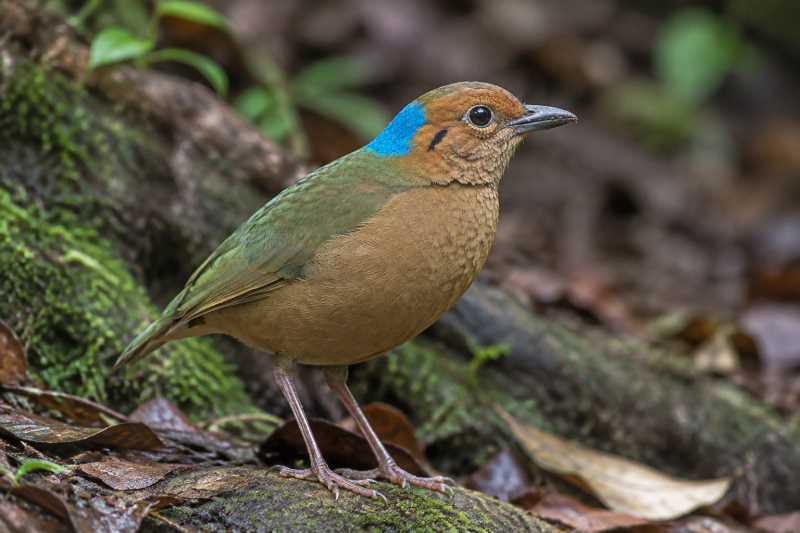
The Blue-naped Pitta is renowned for its vivid coloration, which makes it one of the most visually appealing birds in its range. Adult males and females display distinct plumage, although both are equally striking. The males exhibit a vivid blue crown and nape, which contrast beautifully with their olive-green upper parts and reddish-brown underparts. Females are slightly duller, with a more subdued blue on the nape and generally less vibrant coloration. Measuring approximately 20-23 centimeters in length, these birds are relatively small, yet their bright colors make them a visual spectacle when glimpsed in their natural habitat.
Habitat and Ecology
Preferring dense, humid forest environments, the Blue-naped Pitta is typically found in lowland and montane forests, as well as bamboo thickets and secondary growth. Its habitat preference for dense understory makes it a challenging bird to observe in the wild. These birds are primarily terrestrial, spending much of their time on the forest floor, foraging for food.
The diet of the Blue-naped Pitta mainly consists of insects and other small invertebrates, which they glean from the leaf litter while hopping along the forest floor. On occasion, they may also consume small fruits and seeds. Their foraging behavior is characterized by short bursts of movement, interspersed with periods of stillness as they scan for prey.
Behavior and Reproduction
The Blue-naped Pitta is known for its shy and secretive nature, often remaining hidden in dense foliage. Despite this, their presence can sometimes be detected by their distinctive calls, which are a series of whistles and notes that resonate through the forest.
Breeding typically occurs during the wet season, with nesting sites usually located on the ground or in low shrubs. The nest itself is a dome-shaped structure constructed from leaves and twigs, providing camouflage and protection for the eggs and chicks. Females lay a clutch of 2-5 eggs, which are incubated for approximately two weeks. Both parents share the responsibility of caring for the young, which fledge after about 12-14 days in the nest.
Conservation Status and Threats
The International Union for Conservation of Nature (IUCN) currently classifies the Blue-naped Pitta as a species of "Least Concern." Despite this relatively positive status, the species faces several threats that could impact its populations in the future. Habitat loss due to deforestation and land conversion for agriculture poses a significant challenge. Additionally, illegal trapping and trade, although not as prevalent as for some other bird species, remains a concern in certain areas.
Conservation efforts are essential to ensure the survival of the Blue-naped Pitta. Protecting large tracts of forest habitat and enforcing anti-poaching laws are crucial steps in safeguarding this species. Further research into their ecology and behavior can also aid in developing effective conservation strategies.
Conclusion
The Blue-naped Pitta stands as a testament to the incredible biodiversity found within Asian forests. Its vibrant colors and elusive nature make it a prized sight for bird enthusiasts and a symbol of the rich avian life that thrives in these ecosystems. By understanding and protecting the habitats of such species, we ensure the continued existence of these avian jewels for generations to come.
With continued conservation efforts and awareness, the Blue-naped Pitta can remain a vibrant part of our natural world, a reminder of the beauty and complexity that lies within the shadows of the forest.
Related posts