Introduction
The Spot-breasted Cuckoo-Dove (Macropygia mackinlayi) is a fascinating avian species that captures the attention of bird enthusiasts and ornithologists alike. Known for its distinctive plumage and unique behaviors, this bird is a member of the Columbidae family, which includes pigeons and doves. Endemic to certain Pacific islands, the Spot-breasted Cuckoo-Dove plays a significant role in its native ecosystems. This article delves into the biology, habitat, behavior, and conservation status of this remarkable species.
Taxonomy and Description
Belonging to the genus Macropygia, the Spot-breasted Cuckoo-Dove is one of several species known for their elongated tails and soft, cooing calls. The scientific name, Macropygia mackinlayi, is derived from the Greek words ‘makros’ meaning long, and ‘pyge’ meaning rump, a nod to its distinct tail feathers. The species epithet, mackinlayi, honors the individual who first described the species.
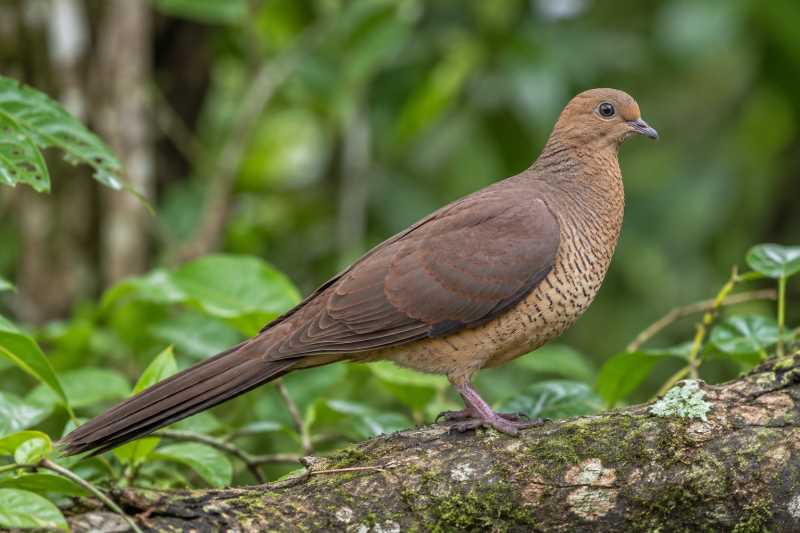
Physically, the Spot-breasted Cuckoo-Dove is medium-sized, measuring about 34 to 42 centimeters in length. The bird’s most striking feature is its plumage: a combination of browns and grays with a series of distinctive spots on the breast, lending the species its common name. The male and female are similar in appearance, although the male may display slightly brighter plumage during the breeding season.
Habitat and Distribution
The Spot-breasted Cuckoo-Dove is predominantly found on the islands of the southwestern Pacific, including Bougainville, the Solomon Islands, and Vanuatu. These birds favor subtropical or tropical moist lowland forests, although they can also be found in montane forests and secondary growth areas. Their ability to adapt to different habitats has been crucial for their survival, especially in regions experiencing deforestation and habitat modification.
Behavior and Ecology
Spot-breasted Cuckoo-Doves are primarily frugivorous, feeding on a variety of fruits and berries. Their diet may also include seeds and occasionally small invertebrates. These birds play an essential role in seed dispersal, contributing to forest regeneration and plant diversity.
The species is generally solitary or found in pairs, particularly during the breeding season. Their mating rituals involve elaborate displays, including bowing and cooing to attract mates. Nesting occurs in trees, where the female typically lays a single egg. Both parents are involved in incubation and feeding the young, a testament to their cooperative breeding strategy.
Vocalizations
The vocalizations of the Spot-breasted Cuckoo-Dove are a distinctive feature, with their soft, repetitive coos serving as communication between mates and territorial calls to ward off intruders. These calls are an integral part of their social interactions and play a role in maintaining pair bonds.
Conservation Status
Currently, the Spot-breasted Cuckoo-Dove is listed as Least Concern on the IUCN Red List. However, like many island species, it faces potential threats from habitat loss due to logging and land conversion for agriculture. Invasive species such as rats and cats also pose significant risks, preying on eggs and young birds.
Conservation efforts are essential to ensure the survival of this species. Initiatives focused on habitat preservation, invasive species control, and public awareness can help mitigate these risks and protect the Spot-breasted Cuckoo-Dove for future generations.
Importance in Culture and Ecosystem
In many of the regions where they are found, Spot-breasted Cuckoo-Doves hold cultural significance. They are often featured in local folklore and are considered symbols of peace and harmony. Ecologically, they are vital for maintaining the health of their forest habitats through seed dispersal, which supports biodiversity and ecological resilience.
Conclusion
The Spot-breasted Cuckoo-Dove is a remarkable bird with unique characteristics and behaviors that contribute significantly to its ecosystem. While currently not endangered, ongoing conservation efforts and habitat protection are crucial to ensure its continued survival. By understanding and appreciating these birds, we can better protect the delicate balance of the ecosystems they inhabit.
As we continue to explore and learn about the Spot-breasted Cuckoo-Dove, it becomes clear that this species is not only an essential part of its environment but also a source of inspiration and wonder for those who study and admire it.
References
- BirdLife International. (2022). Macropygia mackinlayi. The IUCN Red List of Threatened Species.
- Gibbs, D., Barnes, E., & Cox, J. (2001). Pigeons and Doves: A Guide to the Pigeons and Doves of the World. Yale University Press.
- del Hoyo, J., Elliott, A., & Christie, D. (Eds.). (1997). Handbook of the Birds of the World, Vol. 4. Lynx Edicions.
Related posts