The Elusive Beauty of the Sumatran Partridge: Arborophila sumatrana
The lush, dense forests of Sumatra, an island in western Indonesia, are home to a rich tapestry of biodiversity, including the elusive Sumatran Partridge (Arborophila sumatrana). As one of the lesser-known avian species, this bird captivates ornithologists and bird enthusiasts alike with its elusive nature and unique characteristics. In this comprehensive piece, we delve into the habitat, behavior, and conservation challenges facing this remarkable bird.
Habitat and Distribution
The Sumatran Partridge is endemic to the island of Sumatra, where it inhabits the subtropical or tropical moist lowland forests. These forests are characterized by their high humidity, dense canopy, and rich undergrowth, providing the perfect camouflage for this ground-dwelling bird. The partridge is typically found at altitudes ranging from sea level to 1,000 meters, although sightings above this elevation are rare.
The geographical range of the Sumatran Partridge is limited, contributing to its status as a species of concern. As deforestation and habitat degradation continue to threaten the forests of Sumatra, the available habitat for this bird is shrinking, posing a significant threat to its population.
Physical Characteristics
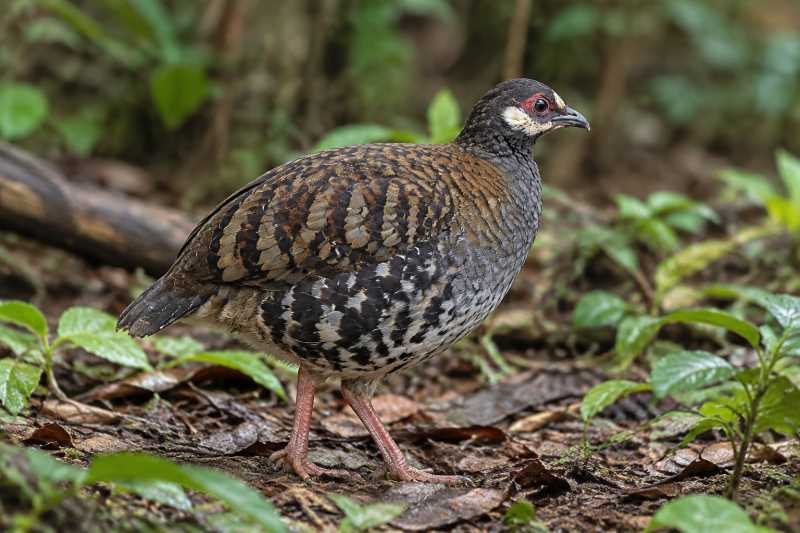
The Sumatran Partridge is a small, plump bird, measuring approximately 25 centimeters in length. Its plumage is predominantly brown, with intricate patterns that provide excellent camouflage against the forest floor. The bird’s underparts are lighter, with subtle barring that adds texture to its appearance. One of the most striking features of the Sumatran Partridge is its red legs and beak, which contrast sharply with its otherwise muted coloration.
Sexual dimorphism in this species is subtle, with males and females appearing similar in size and coloration. However, males are generally more vocal, particularly during the breeding season.
Behavior and Diet
The Sumatran Partridge is primarily terrestrial, spending most of its time foraging on the forest floor. Its diet consists mainly of seeds, fruits, and small invertebrates, which it deftly uncovers by scratching at the leaf litter. The bird’s foraging behavior is typically solitary or in pairs, although small family groups may also be observed.
Vocal communication plays an essential role in the social behavior of the Sumatran Partridge. Its calls are distinctive and can be heard echoing through the forest, particularly at dawn and dusk. These calls serve various functions, including territory establishment and mate attraction.
Reproduction and Lifespan
Breeding occurs during the rainy season when food resources are abundant. The Sumatran Partridge is monogamous, forming long-term pair bonds. Nesting sites are typically hidden in dense undergrowth, where the female lays a clutch of two to four eggs. Both parents share incubation duties and, once hatched, the chicks are precocial, leaving the nest shortly after birth to follow their parents in search of food.
The lifespan of the Sumatran Partridge in the wild is not well-documented, but it is believed to be similar to other partridge species, ranging from five to ten years.
Conservation Challenges
The Sumatran Partridge is currently listed as Near Threatened on the IUCN Red List. The primary threat to its survival is habitat loss due to deforestation, driven by logging, agricultural expansion, and the development of palm oil plantations. These activities not only reduce the available habitat but also fragment the remaining forest, isolating populations and hindering genetic exchange.
Conservation efforts are crucial to preserving the Sumatran Partridge and its habitat. Initiatives include the establishment of protected areas, sustainable land-use practices, and community engagement programs aimed at raising awareness about the importance of biodiversity conservation.
Conclusion
The Sumatran Partridge is a testament to the rich biodiversity of Sumatra’s forests. Its elusive nature and unique adaptations make it a fascinating subject for study and conservation. As we continue to grapple with the challenges of habitat loss and environmental degradation, it is essential to prioritize the protection of this species and its habitat. Through concerted conservation efforts, we can ensure that the Sumatran Partridge remains a vital part of Sumatra’s natural heritage for generations to come.
Related posts