The Olive-headed Greenbul: A Detailed Overview of Arizelocichla striifacies
The Olive-headed Greenbul, scientifically known as Arizelocichla striifacies, is a captivating bird species that belongs to the Pycnonotidae family. This bird is predominantly found in the lush montane forests of East Africa, particularly in regions of Tanzania and Kenya. Known for its distinctive appearance and melodious calls, the Olive-headed Greenbul plays a crucial role in its ecosystem, contributing to seed dispersal and forest dynamics.
Taxonomy and Classification
The Olive-headed Greenbul was initially described in the late 19th century, and its taxonomic classification has been subject to various revisions. It was once considered a subspecies of the Eastern Mountain Greenbul (Arizelocichla nigriceps), but recent studies have elevated it to full species status due to distinct differences in morphology and vocalization patterns.
Physical Characteristics
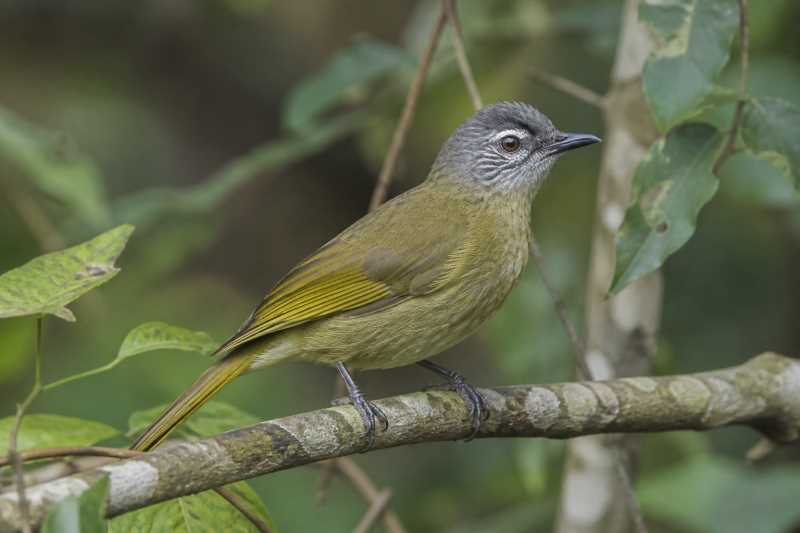
True to its name, the Olive-headed Greenbul is characterized by its olive-colored head, which seamlessly blends into its olive-brown back and wings. The underparts are lighter, with a grayish-white hue that provides a striking contrast. This bird exhibits a somewhat stocky build, with a body length ranging from 18 to 20 centimeters. The eyes are dark and expressive, while the beak is short and stout, adapted for its omnivorous diet.
Habitat and Distribution
Primarily inhabiting the montane forests of East Africa, the Olive-headed Greenbul thrives in altitudes ranging from 1,200 to 3,000 meters. These regions offer a cool and moist climate, ideal for the bird’s survival. The species is predominantly found in Tanzania’s Eastern Arc Mountains, including the Uluguru and Usambara ranges, as well as in parts of Kenya’s Aberdare and Mau Forests.
Behavior and Ecology
The Olive-headed Greenbul is an active and social bird, often seen in small flocks. Its behavior is characterized by frequent foraging in the mid to upper canopy levels of dense forests. The bird’s diet is diverse, consisting of fruits, seeds, insects, and small invertebrates. This dietary flexibility allows it to adapt to varying food availability throughout the year.
One of the most notable aspects of the Olive-headed Greenbul’s behavior is its vocalization. The species produces a series of melodic and whistling notes that play a significant role in communication and territory establishment. These calls are often heard during the early morning and late afternoon, resonating through the forest canopy.
Reproduction and Lifespan
Breeding for the Olive-headed Greenbul typically occurs during the rainy seasons when food resources are plentiful. The species builds cup-shaped nests using twigs, leaves, and other plant materials, usually positioned in the fork of a tree branch. Females typically lay two to three eggs, which are incubated for about two weeks. Both parents are involved in feeding and caring for the chicks until they fledge, which occurs approximately two weeks after hatching.
The lifespan of the Olive-headed Greenbul in the wild is not well-documented, but similar species in the Pycnonotidae family have been known to live for several years, with some reaching over a decade.
Conservation Status
Currently, the Olive-headed Greenbul is not listed as threatened, but its habitat is increasingly under pressure from human activities. Deforestation for agriculture, logging, and human settlement poses significant threats to the montane forests it calls home. Conservation efforts are crucial to preserve these habitats, ensuring the survival of this and many other species that rely on these ecosystems.
Ecological Importance
The Olive-headed Greenbul is a vital component of its ecosystem. As a frugivore, it assists in seed dispersal, contributing to forest regeneration and plant diversity. This ecological role underscores the importance of conserving the species and its habitat, as its decline could have cascading effects on the forest ecosystem.
Conclusion
The Olive-headed Greenbul is a remarkable bird species that embodies the rich biodiversity of East Africa’s montane forests. Its distinctive characteristics, from its olive-hued plumage to its melodious calls, make it a fascinating subject for ornithologists and bird enthusiasts alike. Protecting this species and its habitat is essential not only for its survival but also for the preservation of the delicate ecological balance in these vibrant forests.
As conservationists and researchers continue to study the Olive-headed Greenbul, understanding its role within the ecosystem becomes increasingly important. Efforts to protect its habitat will ensure that future generations can continue to experience the beauty and ecological significance of this unique bird.
Related posts