The Chiribiquete Emerald: A Jewel of the Colombian Rainforest
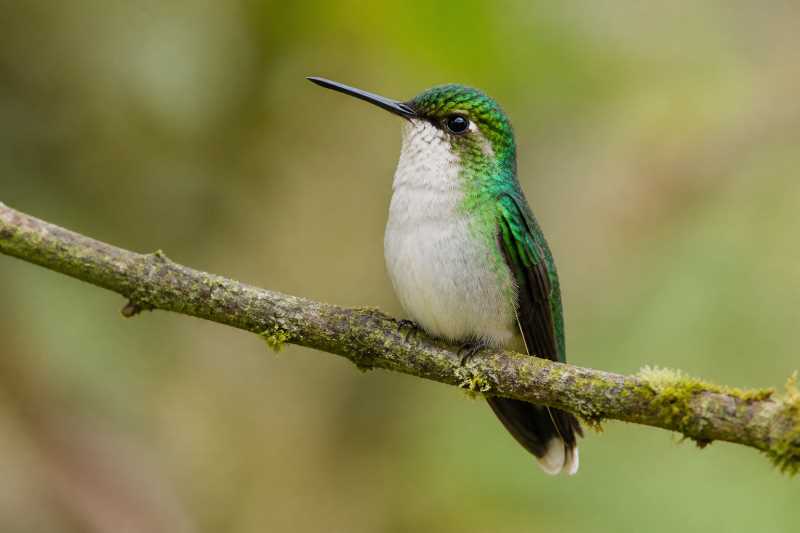
The Chiribiquete Emerald (Chlorostilbon olivaresi) is a mesmerizing jewel of the avian world that graces the lush expanses of Colombia’s vast rainforests. This diminutive hummingbird, named in honor of the eminent ornithologist Gary Stiles Olivares, holds a special place in the biodiversity tapestry of South America due to its restricted range and captivating beauty.
Habitat and Distribution
The Chiribiquete Emerald is endemic to Colombia, particularly flourishing in the humid lowland forests of the Chiribiquete National Park. This UNESCO World Heritage Site, renowned for its majestic tepuis and ancient rock art, provides an ideal habitat for this vibrant bird. The park’s unique geographical features and climatic conditions create an environment where the Chiribiquete Emerald thrives. Dense forest canopies, abundant flowering plants, and a relatively undisturbed ecosystem allow these hummingbirds to flourish, making the park a critical conservation site for this species.
Physical Characteristics
Sporting a shimmering emerald green plumage, the Chiribiquete Emerald is a testament to nature’s artistry. The male of the species is particularly striking, displaying an iridescent green on its head and back, which transitions into a more subdued shade on its underparts. The female, while less flamboyant, possesses a more subtle beauty with her lighter green and white underparts. Both sexes share the characteristic slender, slightly curved bill, adapted for feeding on nectar.
Behavior and Diet
As with most hummingbirds, the Chiribiquete Emerald is a highly active and agile flyer, capable of hovering with precision to extract nectar from flowers. This nectarivorous diet is supplemented by small insects, providing essential proteins. The bird’s feeding habits play a crucial role in pollination, making it a vital component of its ecosystem.
Their behavior is characterized by territoriality, especially among males, who fiercely guard their feeding territories from intruders. This territorial aggression is a spectacle of aerial acrobatics, showcasing their agility and speed.
Conservation Status
The Chiribiquete Emerald is currently listed as "Data Deficient" by the International Union for Conservation of Nature (IUCN), primarily due to the limited information on its population size and trends. The remoteness of its habitat makes extensive studies challenging. However, the continued preservation of Chiribiquete National Park offers hope for the species’ future.
Threats to its survival include deforestation, habitat fragmentation, and the potential impacts of climate change, which could alter the delicate balance of its rainforest home. Conservation efforts focus on ensuring the protection of its habitat and further research to fill the current knowledge gaps.
Importance of Conservation
The Chiribiquete Emerald is more than just a bird; it is a symbol of the rich biodiversity found within Colombia’s rainforests. Protecting this species means preserving a crucial piece of the ecological puzzle that supports countless other life forms. Efforts to conserve the Chiribiquete Emerald also bolster the conservation of the broader ecosystem it inhabits, preserving the intricate web of life that makes the rainforest so unique.
Conclusion
The Chiribiquete Emerald stands as a testament to the wonders of the natural world, a vibrant flash of color amidst the green expanses of Colombia’s rainforests. Its survival depends on our commitment to preserving its habitat and understanding its ecological role. As research continues and conservation efforts evolve, the Chiribiquete Emerald will hopefully continue to grace the rainforests with its iridescent presence, a reminder of the beauty and complexity of the natural world.
In our increasingly interconnected world, the Chiribiquete Emerald serves as a reminder of the delicate balance that sustains life on Earth. By safeguarding this magnificent bird, we contribute to the broader effort of conserving the planet’s natural heritage for future generations to admire and cherish.
Related posts