The Enigmatic Cayenne Nightjar: A Glimpse into the Life of Setopagis maculosa
The Cayenne Nightjar (Setopagis maculosa) is a captivating and elusive bird species that has intrigued ornithologists and bird enthusiasts alike. Endemic to a narrow range in South America, this nightjar is renowned for its cryptic appearance and nocturnal habits. Despite being first described over a century ago, much about the Cayenne Nightjar remains shrouded in mystery, making it a subject of ongoing research and fascination.
Habitat and Distribution
The Cayenne Nightjar is primarily found in the lowland forests of the Guianas, with confirmed sightings in French Guiana, Suriname, and Guyana. This bird’s habitat preference includes dense, humid forests and occasionally, secondary growth that provides ample cover and feeding grounds. The elusive nature of the nightjar, combined with its preference for remote and inaccessible areas, has contributed to its enigmatic status among bird species.
Physical Description
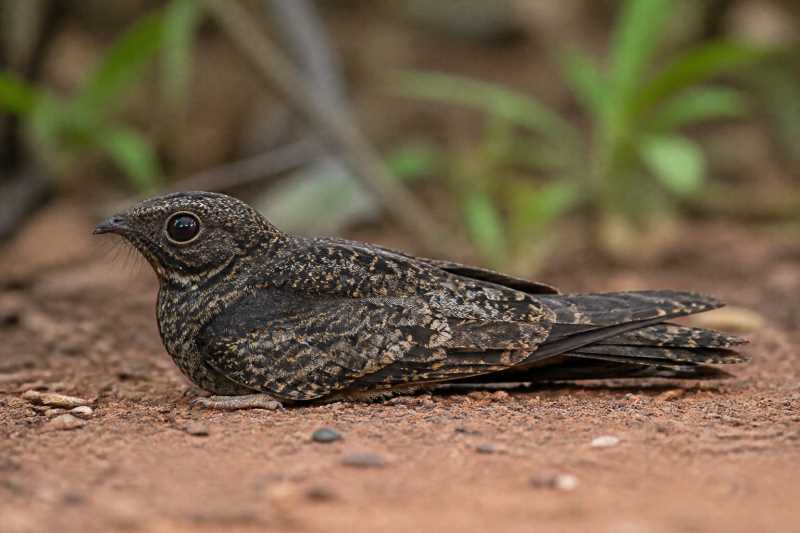
The Cayenne Nightjar is a medium-sized bird, approximately 23 to 26 centimeters in length. Its plumage is intricately patterned with shades of brown, gray, and black, providing excellent camouflage against the forest floor. This cryptic coloration is an essential adaptation for avoiding predators and goes hand-in-hand with its nocturnal lifestyle. The bird’s eyes are large and adapted for low-light conditions, allowing it to hunt efficiently after dusk.
Feeding and Behavior
As a nocturnal insectivore, the Cayenne Nightjar feeds primarily on moths, beetles, and other flying insects. Its hunting technique is akin to that of other nightjars, involving short flights from a perch to snatch prey mid-air. These birds are most active during the twilight hours, just after sunset and before sunrise, when their prey is also most abundant.
The Cayenne Nightjar’s call is a distinctive feature that aids in its identification. Though rarely heard due to the bird’s reclusive nature, its call is a series of soft, repetitive whistles that serve both as a means of communication and territorial declaration.
Reproduction and Lifecycle
Little is known about the breeding habits of the Cayenne Nightjar, largely due to its secretive nature and the inaccessibility of its habitat. What is understood is that, like other nightjars, it likely nests on the ground, laying one or two eggs directly on leaf litter without building a conventional nest. This minimalist nesting strategy relies heavily on the bird’s camouflaged plumage to protect the eggs from predators.
The incubation period for nightjars generally lasts about 19 to 21 days, with both parents sharing responsibilities for incubation and feeding the chicks. The young are precocial, meaning they are relatively mature and mobile shortly after hatching, which is a crucial adaptation for ground-nesting species.
Conservation Status
The Cayenne Nightjar is currently classified as Data Deficient by the International Union for Conservation of Nature (IUCN). This classification reflects the limited information available about its population size, trends, and potential threats. The primary concern for this species is habitat destruction, particularly due to deforestation for agriculture and logging activities in the Guianas.
Conservation efforts for the Cayenne Nightjar are challenging due to the lack of comprehensive data. However, protecting its habitat is crucial. Establishing protected areas and promoting sustainable land-use practices are essential steps in ensuring the survival of this enigmatic bird.
The Quest for Knowledge
The Cayenne Nightjar serves as a reminder of the many mysteries that still exist in the natural world. For ornithologists and conservationists, it represents both a challenge and an opportunity to deepen our understanding of avian biodiversity and the intricate ecosystems of South America.
Researching elusive species like the Cayenne Nightjar requires innovative approaches, such as using bioacoustics to identify calls, remote sensing to map habitats, and community science to gather observations from birdwatchers. These efforts are crucial for piecing together the life history of the Cayenne Nightjar and informing conservation strategies.
Conclusion
In summary, the Cayenne Nightjar is a testament to the complexity and beauty of avian life in the tropical forests of South America. While much remains to be discovered about this elusive bird, ongoing research and conservation efforts offer hope for its future. By increasing our understanding and appreciation of such species, we not only enrich our knowledge of biodiversity but also strengthen our resolve to protect the habitats that sustain them.
Related posts