The Enigmatic Silver-tipped Imperial Pigeon: Ducula luctuosa
The Silver-tipped Imperial Pigeon (Ducula luctuosa) is a remarkable avian species that has captivated ornithologists and bird enthusiasts alike. Known for its distinctive silver-tipped plumage, this pigeon is a true spectacle in the wild. Found primarily in the tropical rainforests of Indonesia, this bird is an integral part of the region’s biodiversity.
Taxonomy and Description
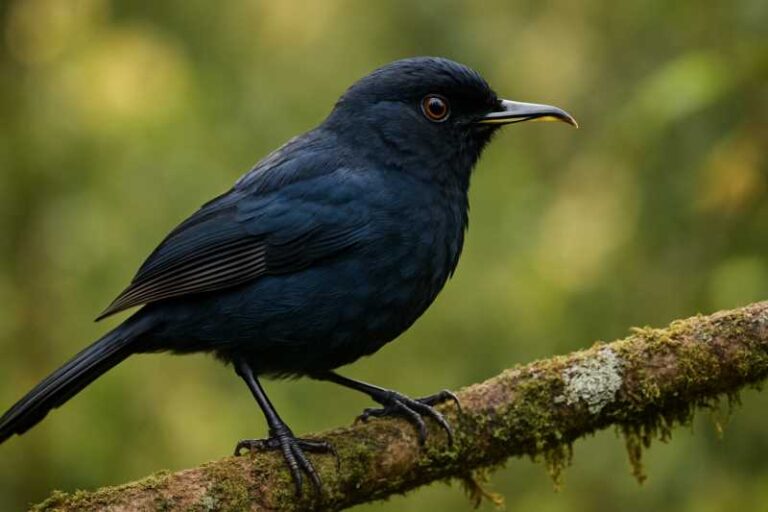
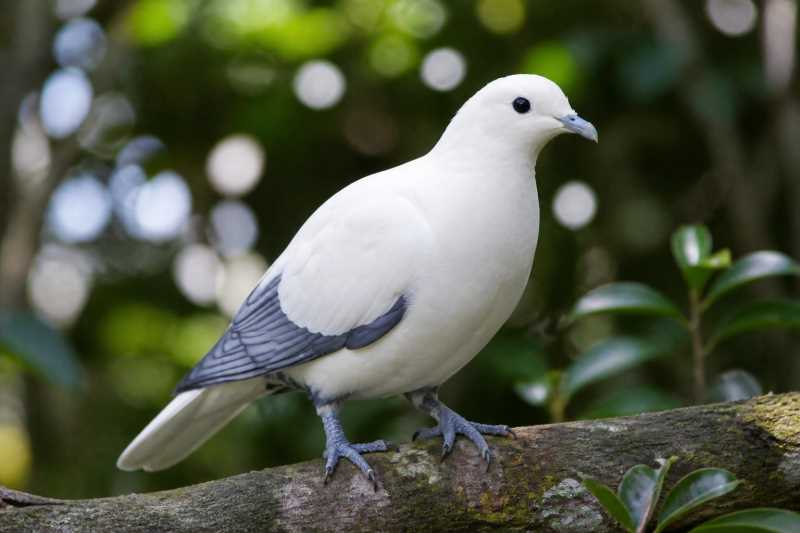
Belonging to the family Columbidae, the Silver-tipped Imperial Pigeon is one of the many species within the Ducula genus. This genus is renowned for its large, robust pigeons that inhabit dense forest regions across Southeast Asia and the Pacific. Ducula luctuosa is characterized by its medium to large size, typically measuring around 42 to 44 centimeters in length. The pigeon has a striking appearance, with a predominantly dark plumage offset by its iconic silver or white-tipped feathers on the wings and tail. This unique coloration gives the bird its common name and serves as a key identification marker.
Habitat and Distribution
The Silver-tipped Imperial Pigeon is endemic to the islands of Sulawesi and surrounding islets in Indonesia. Its preferred habitat is the lowland and montane rainforests, where it can be found at elevations up to 1,500 meters. These birds thrive in dense forest environments, where they can forage for food and find suitable nesting sites. The island of Sulawesi, with its rich biodiversity and unique ecological niches, provides an ideal environment for this species.
Behavior and Diet
Ducula luctuosa is primarily frugivorous, feeding on a variety of fruits and berries found within its forest habitat. The pigeon plays a crucial role in seed dispersal, contributing to the health and regeneration of the forest ecosystem. Observations have noted that these birds often travel in pairs or small groups, especially when foraging.
Their flight is strong and direct, allowing them to cover considerable distances in search of food. The Silver-tipped Imperial Pigeon is known to be relatively shy and elusive, often remaining hidden within the forest canopy. This behavior makes it a challenging but rewarding subject for birdwatchers and researchers.
Reproduction and Lifespan
Little is known about the breeding habits of the Silver-tipped Imperial Pigeon due to its elusive nature. However, like many pigeons, it is believed that they build simple nests high in the trees, where they lay a single egg per breeding season. The incubation period is presumed to be around 20 days, with both parents sharing the responsibility of incubating the egg and feeding the chick once hatched.
The lifespan of Ducula luctuosa in the wild is not well-documented, but pigeons of this genus generally live for several years, with some species reaching over a decade in age under natural conditions.
Conservation Status
The Silver-tipped Imperial Pigeon is currently classified as Near Threatened on the IUCN Red List. The primary threats to its survival include habitat destruction due to logging, agriculture, and human encroachment. The rapid deforestation in Sulawesi poses a significant risk to the pigeon’s habitat, potentially leading to population declines.
Conservation efforts are crucial to ensuring the survival of this species. Protecting the rainforests of Sulawesi, along with establishing protected areas and promoting sustainable land-use practices, is essential. Education and awareness programs that engage local communities can also play a pivotal role in conserving the Silver-tipped Imperial Pigeon and its habitat.
Conclusion
The Silver-tipped Imperial Pigeon is a symbol of the rich biodiversity found in Indonesia’s tropical forests. Its unique appearance and ecological role underscore the importance of preserving its natural habitat. As researchers continue to study this elusive bird, there remains hope that conservation efforts will secure a future for Ducula luctuosa, allowing it to thrive in the wild for generations to come.
Through a combination of scientific research, conservation initiatives, and community engagement, the Silver-tipped Imperial Pigeon can continue to be a vital part of the ecosystem, maintaining the delicate balance of nature in the rainforests of Sulawesi.
Related posts