The Elusive Ash-colored Cuckoo: An Ornithological Marvel
In the world of avian wonders, few birds capture the intrigue and admiration of ornithologists and birdwatchers alike as the Ash-colored Cuckoo (Coccycua cinerea). With its subtle yet captivating appearance and fascinating behavior, this species stands as a testament to the complexity and diversity of avian life. In this comprehensive article, we delve into the identification, habitat, behaviors, and conservation status of the Ash-colored Cuckoo, offering a detailed exploration of this remarkable bird.
Identification and Physical Characteristics
The Ash-colored Cuckoo, scientifically known as Coccycua cinerea, belongs to the family Cuculidae, a group renowned for their diverse and often mysterious members. This species is relatively small, measuring approximately 20-22 cm in length, and exhibits a muted color palette that belies its beauty.
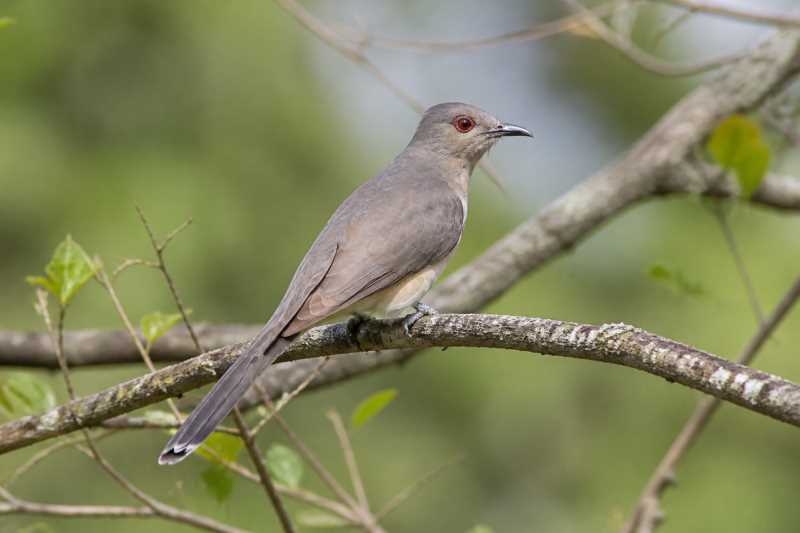
The plumage of the Ash-colored Cuckoo is predominantly a soft ash-gray, providing the bird with its common name. This coloration extends across its head, back, and wings, blending seamlessly into a slightly paler underbelly. The eyes are often a striking dark brown or black, contributing to the bird’s enigmatic aura. Its slender, slightly curved bill is adapted to its insectivorous diet, allowing it to adeptly capture various invertebrates.
Habitat and Distribution
The Ash-colored Cuckoo is native to the neotropical regions of South America, with a distribution that spans several countries including Brazil, Bolivia, Paraguay, and Argentina. This bird is typically found in subtropical or tropical dry forests, shrublands, and occasionally in more open landscapes. Its preference for dense foliage offers both protection from predators and a rich supply of insects.
During the breeding season, these cuckoos often inhabit areas with abundant undergrowth, which provides ample nesting opportunities. While generally sedentary, some populations may undertake short altitudinal migrations in response to seasonal changes in food availability.
Behavioral Traits and Diet
One of the most fascinating aspects of the Ash-colored Cuckoo is its behavior. Like many of its cuckoo relatives, this species is known for its brood parasitism, a reproductive strategy where the bird lays its eggs in the nests of other bird species. This cunning approach allows the cuckoo to conserve energy for foraging and survival, leaving the host bird to raise its young.
The diet of the Ash-colored Cuckoo is primarily insectivorous, consisting of a variety of arthropods such as caterpillars, beetles, and spiders. Its foraging behavior is characterized by a mix of stealthy perching and swift, agile flights, enabling it to capture prey with remarkable precision. Occasionally, the cuckoo may also consume small fruits and seeds, supplementing its nutritional intake.
Vocalizations and Communication
While the Ash-colored Cuckoo is not as vocally prominent as some other bird species, it does possess a repertoire of calls that play a crucial role in communication. The calls are generally soft and subtle, often described as a series of low, repetitive notes. These vocalizations are primarily used during the breeding season for mate attraction and territorial defense.
The subtlety of the cuckoo’s calls is reflective of its overall elusive nature. As a species that relies on stealth for both feeding and nesting, maintaining a low profile is essential for its survival.
Reproduction and Life Cycle
The reproductive strategy of the Ash-colored Cuckoo is one of nature’s most intriguing phenomena. As obligate brood parasites, these cuckoos do not build their own nests. Instead, they lay their eggs in the nests of unsuspecting host species, often selecting those with similar-sized eggs to minimize detection.
Once a suitable nest is identified, the female cuckoo will surreptitiously deposit her egg, usually removing one of the host’s eggs to maintain the clutch size. The cuckoo chick, upon hatching, often exhibits aggressive behavior towards its nestmates, sometimes pushing them out of the nest to monopolize the host’s attention and resources.
This reproductive strategy, while seemingly ruthless, is a marvel of evolutionary adaptation, allowing the Ash-colored Cuckoo to thrive in environments where resources may be limited.
Conservation Status and Threats
The Ash-colored Cuckoo is currently categorized as "Least Concern" by the International Union for Conservation of Nature (IUCN). However, like many avian species, it faces threats from habitat destruction and fragmentation, primarily due to deforestation and agricultural expansion.
Conservation efforts are essential to ensure the survival of this species, particularly in preserving its natural habitats. Initiatives aimed at sustainable land use and the protection of tropical forests are vital for maintaining the biodiversity that supports the Ash-colored Cuckoo and countless other species.
The Importance of the Ash-colored Cuckoo in Ecosystems
The role of the Ash-colored Cuckoo in its ecosystem is multifaceted. As an insectivore, it contributes to the regulation of insect populations, thus helping to maintain ecological balance. Additionally, its brood parasitism can indirectly influence the population dynamics of host species, adding an interesting layer to the intricate web of ecological interactions.
Understanding and appreciating the ecological significance of the Ash-colored Cuckoo underscores the importance of biodiversity and the need for concerted conservation efforts to protect our planet’s avian treasures.
Conclusion
The Ash-colored Cuckoo is a remarkable testament to the wonders of avian life. Its elusive nature, fascinating reproductive strategies, and ecological significance make it a subject of endless fascination for ornithologists and bird enthusiasts alike. As we continue to study and appreciate the Ash-colored Cuckoo, it serves as a poignant reminder of the intricate beauty and complexity of the natural world.
Preserving the habitats and populations of this and other avian species is crucial for maintaining the rich tapestry of life that sustains our planet. Through understanding, appreciation, and conservation, we can ensure that future generations will have the opportunity to marvel at the Ash-colored Cuckoo and the countless other wonders of the avian realm.
Related posts