The Western Plantain-eater: A Closer Look at Crinifer piscator
The Western Plantain-eater, scientifically known as Crinifer piscator, is a remarkable bird species belonging to the Musophagidae family. This bird is often noted for its distinct appearance and intriguing behaviors, which make it a subject of interest for ornithologists and bird enthusiasts alike. Found predominantly in the western regions of Africa, this species plays a significant role in the ecosystems it inhabits, and its presence is both a joy for bird watchers and an indicator of environmental health.
Habitat and Distribution
The Western Plantain-eater is native to the tropical and subtropical regions of West and Central Africa. Its range extends from Senegal and Gambia in the west to Nigeria and the Democratic Republic of Congo in the east. This bird prefers open woodland, savannas, and cultivated areas where it can find its primary food sources. Its adaptability to different environments, including urban areas, is a testament to its resilience.
Habitats with abundant fruiting trees are particularly attractive to the Western Plantain-eater. It thrives in areas with a good supply of figs, plantains, and other fruits, which constitute the bulk of its diet. The bird’s presence in urban settings often leads to its role as a seed disperser, contributing to local biodiversity.
Physical Characteristics
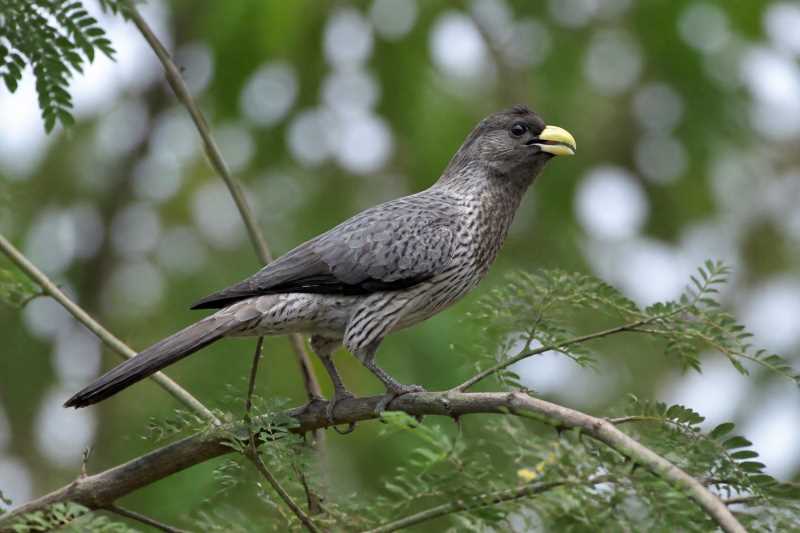
The Western Plantain-eater is a medium-sized bird, measuring approximately 50 cm in length. Its plumage is primarily grey-brown with a distinctive white-tipped crest that adds to its striking appearance. The bird’s underparts are speckled with white, providing a contrast to its darker wings and back.
One of the most notable features of the Western Plantain-eater is its thick, curved bill, which is ideally suited for feeding on a variety of fruits and plant materials. Its strong legs and claws allow it to navigate through trees with ease, while its broad wings facilitate short flights between feeding sites.
Behavior and Diet
The Western Plantain-eater is known for its social nature. It is often observed in pairs or small family groups, engaging in playful interactions and vocal communications. The bird’s call is a loud, distinctive "ku-wu" sound, which serves as a means of communication between individuals and a way to establish territory.
Diet-wise, the Western Plantain-eater is primarily frugivorous, favoring plantains, bananas, and other fruits. However, it is also known to consume flowers, seeds, and occasionally small insects. This diverse diet makes the bird an important ecological player, as it aids in the dispersal of seeds and helps control insect populations.
Reproduction and Lifespan
Breeding in Western Plantain-eaters typically occurs during the wet season when food resources are abundant. The birds build large, loose nests high in trees, using twigs and leaves to create a platform for their eggs. Clutches usually consist of two to three eggs, which are incubated by both parents.
Parental care is a hallmark of the species, with both male and female birds sharing responsibilities for feeding and protecting the young. The chicks hatch after about three weeks and fledge approximately four weeks later. With proper care, Western Plantain-eaters can live up to 10 years in the wild.
Conservation Status
Currently, the Western Plantain-eater is classified as a species of Least Concern by the International Union for Conservation of Nature (IUCN). Its wide distribution and adaptability to various habitats contribute to this status. However, habitat loss due to deforestation and urbanization poses potential threats to local populations.
Conservation efforts aimed at preserving natural habitats and promoting biodiversity are essential to ensuring the continued survival of the Western Plantain-eater. Public awareness campaigns and community-based conservation initiatives can also play a crucial role in safeguarding this species.
Conclusion
The Western Plantain-eater is a fascinating bird that continues to captivate those who study and observe it. Its adaptability, distinctive appearance, and ecological importance make it a key species in the regions it inhabits. As we strive to understand and protect our natural world, the Western Plantain-eater serves as a reminder of the rich biodiversity that Africa’s landscapes offer.
By fostering a deeper appreciation for this unique bird and supporting conservation efforts, we can help ensure that the Western Plantain-eater thrives for generations to come.
Related posts