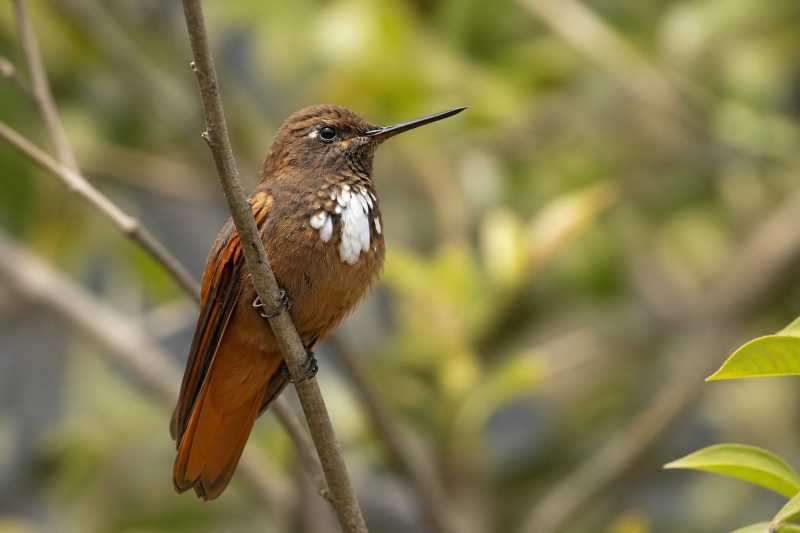
The White-tufted Sunbeam: A Jewel of the Andes
The White-tufted Sunbeam (Aglaeactis castelnaudii) is an exquisite representative of hummingbirds, a group renowned for their dazzling plumage and remarkable flight abilities. Endemic to the Andes of Peru, this species is a testament to the rich biodiversity of the region and plays a vital role in the ecosystems it inhabits. This article explores the unique characteristics, habitat, behavior, and conservation status of this fascinating bird.
Physical Characteristics
The White-tufted Sunbeam is a medium-sized hummingbird, notable for its stunning plumage and distinctive white tuft of feathers on its back, which gives it its name. The bird’s iridescent bronze-green feathers shimmer with a sunlit brilliance, while its white tuft is a striking contrast against the darker feathers. Its bill is straight and short, adapted for feeding on a variety of flowering plants.
The underparts of the White-tufted Sunbeam are a rich rufous color, providing an additional layer of contrast and beauty to its overall appearance. Males and females are similar in coloration, although females may exhibit slightly duller tones compared to their male counterparts.
Habitat and Distribution
The White-tufted Sunbeam is found primarily in the montane forests and scrublands of the central Andes in Peru, typically at elevations ranging from 2,500 to 4,000 meters. This high-altitude habitat is characterized by a mix of rugged terrain, steep valleys, and diverse plant life, offering the sunbeam both feeding opportunities and protection from predators.
The bird’s affinity for high-altitude environments means it is well-adapted to cooler temperatures and thinner air. It thrives in areas where flowering shrubs and plants provide ample nectar, its primary food source. The White-tufted Sunbeam also plays a crucial role as a pollinator, helping to sustain the floral diversity of its habitat.
Behavior and Ecology
As with other hummingbirds, the White-tufted Sunbeam is known for its incredible agility in flight. It can hover in place with precision, dart swiftly between flowers, and even fly backwards. This agility is essential for feeding, as the bird must maneuver skillfully to extract nectar from flowers.
In addition to nectar, the sunbeam’s diet includes small insects and spiders, which provide necessary proteins and other nutrients. This dietary flexibility is important for survival in its sometimes harsh environment.
The White-tufted Sunbeam is generally solitary, except during mating season when males perform elaborate aerial displays to attract females. These displays often involve rapid dives and flights, showcasing the male’s agility and vibrant plumage.
Conservation Status
Currently, the White-tufted Sunbeam is classified as a species of Least Concern by the International Union for Conservation of Nature (IUCN). However, like many wildlife species, it faces threats from habitat loss and climate change. The Andean regions, while remote, are experiencing increased human activity, including agriculture and development, which can lead to habitat degradation.
Conservation efforts focused on protecting the Andean habitats are crucial for ensuring the survival of the White-tufted Sunbeam and other endemic species. Initiatives such as establishing protected areas and promoting sustainable land use practices are essential steps toward preserving these unique ecosystems.
The Importance of the White-tufted Sunbeam
Beyond its visual appeal, the White-tufted Sunbeam is an integral component of the Andean ecosystem. As a pollinator, it contributes to the reproductive success of many plant species, which in turn supports a wide array of other wildlife.
Moreover, the sunbeam serves as an indicator species for the health of its high-altitude habitat. Changes in its population can signal shifts in environmental conditions, making it an important focus for ecological monitoring and research.
Conclusion
The White-tufted Sunbeam is a remarkable example of nature’s artistry and resilience. Its presence in the Andes underscores the importance of conserving these unique environments. As we continue to learn more about this species and its ecological significance, efforts to protect its habitat become increasingly vital. In doing so, we not only safeguard the sunbeam but also the broader biodiversity of the Andean region, ensuring that future generations can marvel at the beauty of this extraordinary hummingbird.
Related posts