The Neblina Metaltail: A Jewel of the Cloud Forests
In the mist-laden cloud forests of South America, where the air is crisp and the flora is lush, there exists a small, iridescent gem of the avian world: the Neblina Metaltail (Metallura odomae). This lesser-known hummingbird species, named for its dazzling metallic tail and its preferred habitat, remains a subject of intrigue and admiration among ornithologists and bird enthusiasts alike. This article delves into the life, habitat, and conservation status of the Neblina Metaltail, a true marvel of nature.
Habitat and Distribution
The Neblina Metaltail is endemic to the remote cloud forests of northern Peru, where it thrives in the high-altitude regions ranging from 2,500 to 3,500 meters above sea level. These forests are characterized by their persistent fog and humidity, creating a unique ecosystem rich in biodiversity. The bird’s habitat is largely concentrated in the eastern Andes, which provide a perfect blend of climate and vegetation necessary for its survival.
The cloud forests, often enveloped in mist (hence the name "neblina," which means "fog" in Spanish), are home to an array of plant species. These include mosses, ferns, and orchids, which not only support the hummingbird’s diet but also contribute to the vibrant ecosystem that sustains numerous other wildlife species.
Physical Characteristics
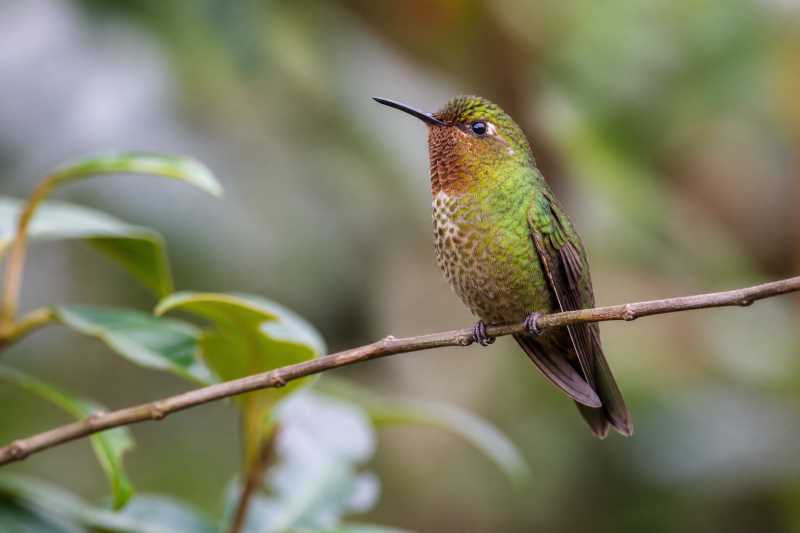
The Neblina Metaltail is a small hummingbird, measuring approximately 10 to 11 centimeters in length. Despite its modest size, it is renowned for its striking plumage. The males exhibit a shimmering green body with a spectacular metallic blue-green tail, which is not only visually stunning but also serves as a crucial element in mating displays. Females are slightly less iridescent, with a more subdued coloration that aids in camouflage while nesting.
The bird’s bill is relatively short, adapted to feeding on a variety of flowers found in its mountainous habitat. This short bill allows the Neblina Metaltail to efficiently extract nectar from flowers that are inaccessible to other hummingbird species, providing it with a competitive edge in the struggle for food resources.
Behavior and Diet
The Neblina Metaltail, like other hummingbirds, is a highly energetic bird, requiring frequent feeding to sustain its rapid metabolism. Its diet primarily consists of nectar from native flowers, supplemented by small insects and spiders, which provide essential proteins and nutrients.
These birds are known for their territorial nature, often engaging in aerial displays to defend their feeding grounds from intruders. Males are particularly aggressive during the breeding season, when they perform elaborate courtship displays to attract females. These displays often involve hovering in front of a female, showcasing their iridescent tail feathers in the process.
Reproduction and Lifespan
The breeding season for the Neblina Metaltail correlates with the peak flowering periods in its habitat, ensuring an abundant food supply for the offspring. Females are solely responsible for nest building and incubation, creating cup-shaped nests from soft plant materials and spider silk, strategically placed on steep slopes to avoid predators.
Typically, a clutch consists of two eggs, which the female incubates for about two weeks. Once hatched, the chicks are altricial, meaning they are born blind and featherless, relying entirely on their mother for warmth and nourishment. The fledging period lasts approximately three weeks, after which the juveniles are ready to explore their misty surroundings.
Conservation Status
Currently, the Neblina Metaltail is listed as Near Threatened on the IUCN Red List. The primary threat to its survival is habitat loss due to deforestation and agricultural expansion. The cloud forests are increasingly being cleared for coffee plantations and cattle grazing, which not only reduces the available habitat for the hummingbirds but also disrupts the delicate ecological balance of these regions.
Conservation efforts are crucial to ensure the survival of this species. Local and international organizations are working to preserve the cloud forests through sustainable practices and reforestation projects. Raising awareness about the importance of these ecosystems and promoting eco-tourism can also help generate the funds necessary to protect the Neblina Metaltail’s habitat.
Conclusion
The Neblina Metaltail is a testament to the beauty and complexity of life in the cloud forests. Its shimmering plumage and unique ecological niche make it a symbol of the rich biodiversity found in these misty realms. Protecting this species and its habitat is not only vital for the Neblina Metaltail itself but also for the myriad of other life forms that share its environment. As we continue to learn more about this captivating bird, it becomes ever more apparent that our actions today will determine the fate of these iridescent jewels of the Andes.
Related posts