Horus Swift: An Aerial Marvel of the Skies
The Horus Swift, scientifically known as Apus horus, is a fascinating avian species renowned for its aerial prowess and adaptability. This bird, named after the ancient Egyptian god Horus, embodies the swift flight and keen eyesight associated with its mythological namesake. Found across various regions of Africa, the Horus Swift has intrigued ornithologists and bird enthusiasts alike with its distinctive behaviors and ecological significance.
Taxonomy and Physical Description
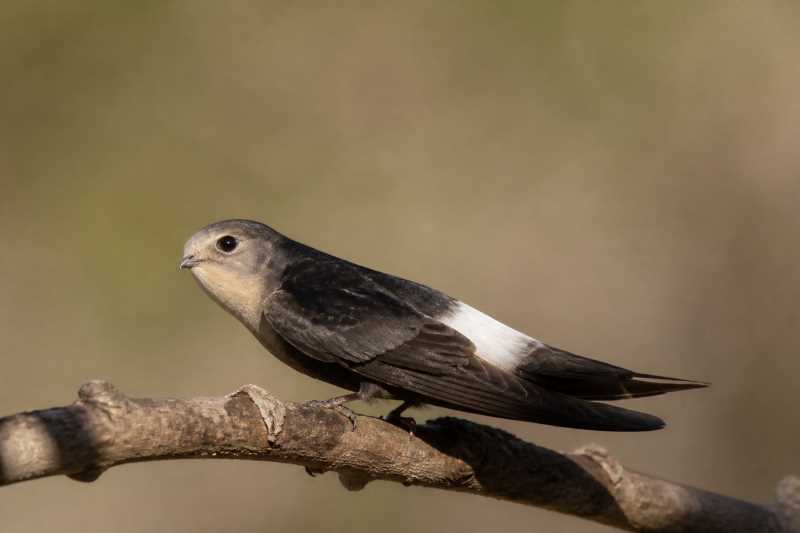
Belonging to the family Apodidae, the Horus Swift is a close relative of other swift species that are celebrated for their incredible speed and agility. Measuring approximately 16 centimeters in length and boasting a wingspan of up to 42 centimeters, this bird is a marvel of aerodynamic engineering. Its plumage is predominantly dark brown, with a pale throat and a slightly forked tail, which assist in its nimble flight through open skies.
The Horus Swift’s streamlined body and long, narrow wings are perfectly adapted for high-speed flight. This design enables it to spend the majority of its life in the air, where it performs a variety of activities, from foraging to mating.
Habitat and Distribution
The Horus Swift is primarily found in sub-Saharan Africa, with its range extending from Senegal and The Gambia in the west to Ethiopia and Kenya in the east, and as far south as South Africa. This bird is highly adaptable, thriving in various habitats including savannas, open woodlands, and even urban areas. Its adaptability to different environments is a testament to its resilience and evolutionary success.
One of the most remarkable aspects of the Horus Swift is its migratory behavior. While many populations are resident, some undertake seasonal migrations, moving to different regions in response to changes in climate and food availability. These migrations are a testament to the bird’s incredible endurance and navigation skills.
Behavior and Ecology
The Horus Swift is a social species, often seen in flocks that can number in the hundreds. These flocks perform intricate aerial displays, showcasing their agility and coordination. The birds communicate through a series of high-pitched calls, which help maintain group cohesion and facilitate social interactions.
Feeding primarily on flying insects, the Horus Swift plays a crucial role in controlling insect populations. Its diet includes a variety of airborne prey such as beetles, flies, and ants, which it catches in flight using its wide gape and swift maneuvers. This feeding strategy not only sustains the bird but also benefits the ecosystems it inhabits by keeping insect populations in check.
Reproduction and Life Cycle
Breeding for the Horus Swift typically occurs during the wet season when food is abundant. The species is known for its unique nesting habits, often utilizing old nests of other birds or crevices in cliffs and buildings. The female lays one to three eggs, which both parents incubate for about 18 to 20 days.
Once hatched, the chicks are altricial, meaning they are born relatively undeveloped and require significant parental care. Both parents are involved in feeding and nurturing the young, which fledge approximately six weeks after hatching. The success of these breeding efforts is vital for maintaining healthy swift populations, especially as human activities continue to transform natural landscapes.
Conservation Status and Threats
Currently, the Horus Swift is classified as a species of least concern by the International Union for Conservation of Nature (IUCN). However, like many wildlife species, it faces threats from habitat loss and degradation. Urbanization, agricultural expansion, and climate change pose significant challenges to the environments they rely on.
Conservation efforts for the Horus Swift focus on habitat preservation and creating awareness about the importance of these birds in ecosystem health. Protecting nesting sites and minimizing pesticide use are among the strategies employed to ensure their continued survival.
The Cultural Significance of Horus Swift
In many African cultures, swifts are regarded as symbols of freedom and endurance. Their ability to traverse vast distances and adapt to varied environments resonates with human aspirations for exploration and resilience. The Horus Swift, in particular, holds a special place in cultural narratives due to its mythological namesake, Horus, who symbolizes protection and power.
In conclusion, the Horus Swift is not only a remarkable species in its own right but also a vital component of the ecosystems it inhabits. Its life in the air, coupled with its ecological contributions and cultural significance, makes it a subject worthy of admiration and protection. As we continue to study and conserve these aerial acrobats, we gain insights into the intricate web of life that sustains our planet.
Related posts