The Enigmatic White-winged Nightjar: A Glimpse into the Life of Eleothreptus candicans
The White-winged Nightjar (Eleothreptus candicans) is a captivating bird species that has intrigued ornithologists and bird enthusiasts alike. This nocturnal bird, known for its distinctive white wing patches, is a member of the nightjar family Caprimulgidae. Despite its alluring characteristics and the curiosity it inspires, the White-winged Nightjar remains one of the least understood birds, primarily due to its elusive nature and limited range.
Taxonomy and Classification
The White-winged Nightjar belongs to the genus Eleothreptus, which includes a small number of species. Initially described by George K. Cherrie in 1916, this bird has since become an emblem of the challenges faced in bird conservation. Its scientific name, ‘candicans,’ is derived from Latin, meaning ‘shining white,’ a nod to the bird’s striking plumage.
Physical Characteristics
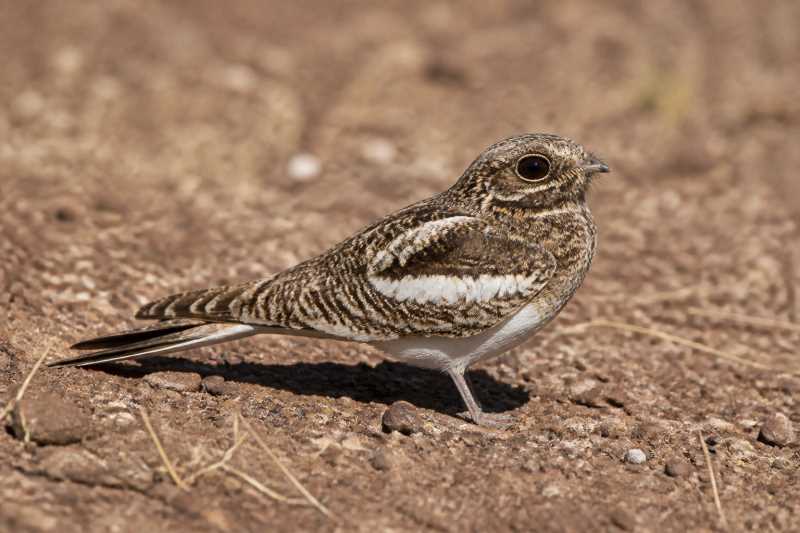
Measuring about 20-23 cm in length, the White-winged Nightjar is a medium-sized bird. It is distinguished by its long wings and tail, which are particularly pronounced in males. The males exhibit a striking contrast in their plumage, with predominantly brown bodies accented by bright white patches on their wings and tail. These white markings are especially visible during flight, serving as a key identification feature.
Females, on the other hand, possess a more subdued coloration, lacking the bold white markings of their male counterparts. This sexual dimorphism is common among nightjars, often linked to their mating displays and roles in parental care.
Habitat and Distribution
The White-winged Nightjar is primarily found in the Cerrado biome of South America, particularly across regions in Paraguay, Brazil, and Bolivia. This habitat is characterized by savanna-like landscapes, interspersed with shrubs and seasonal wetlands. Unfortunately, the Cerrado is one of the most threatened ecosystems globally, with rapid conversion to agriculture and cattle ranching diminishing its expanse.
Due to its restricted and fragmented range, the White-winged Nightjar is currently classified as ‘Endangered’ by the International Union for Conservation of Nature (IUCN). This classification highlights the urgency of conservation efforts to preserve not only this species but also its unique habitat.
Behavior and Ecology
As a nocturnal bird, the White-winged Nightjar is most active during the night, particularly at dusk and dawn. It is an insectivorous bird, relying heavily on its keen eyesight and flight skills to capture moths and other flying insects. The White-winged Nightjar’s feeding strategy is typical of nightjars, involving silent flight and sudden aerial maneuvers to snatch prey mid-air.
Breeding occurs during the rainy season, which varies slightly depending on locality but generally spans from October to March. Males engage in elaborate flight displays to attract females, showcasing their white wing patches in a series of aerial acrobatics. Once a pair forms, the female lays her eggs directly on the ground, a trait common among ground-nesting birds. The eggs are usually laid in open areas, relying on camouflage to protect them from predators.
Conservation Status and Efforts
The White-winged Nightjar faces numerous threats due to habitat loss, fragmentation, and degradation. Agricultural expansion, particularly soy cultivation and cattle ranching, has led to significant habitat destruction in the Cerrado. Additionally, wildfires, often used as a land management tool, further threaten the nightjar’s habitat.
Conservation efforts for the White-winged Nightjar focus on habitat preservation and restoration. Protected areas such as the San Rafael National Park in Paraguay and the Serra do Cipó National Park in Brazil have been pivotal in providing refuge for the species. However, effective conservation requires collaboration between governments, NGOs, and local communities to ensure sustainable land-use practices that balance human needs with ecological preservation.
Research plays a crucial role in conservation, and ongoing studies aim to better understand the White-winged Nightjar’s ecology, behavior, and population dynamics. Satellite tracking and field surveys help map its distribution and monitor population trends, providing valuable data to inform conservation strategies.
Conclusion
The White-winged Nightjar is a testament to the wonders of avian biodiversity and the intricate balance of ecosystems. It serves as a reminder of the delicate interplay between species and their habitats, highlighting the importance of conservation efforts in safeguarding the natural world. As we continue to study and protect the White-winged Nightjar, we not only preserve a unique species but also contribute to the health and resilience of the Cerrado ecosystem.
In a rapidly changing world, the White-winged Nightjar stands as both a symbol of nature’s beauty and a call to action for conservationists worldwide. By prioritizing habitat protection and sustainable practices, we can ensure that future generations will have the opportunity to marvel at this enigmatic bird and the vibrant ecosystem it calls home.
Related posts