Introduction
The Eastern Roe Deer, known scientifically as Capreolus pygargus, is a graceful and elusive species of deer that inhabits broad swathes of Europe and Asia. Known for its adaptability and keen senses, the Eastern Roe Deer plays a significant role in its ecosystem, contributing to the biodiversity of its habitats. This species is often a subject of interest for wildlife enthusiasts and researchers due to its fascinating behaviors and ecological importance.
Physical Description
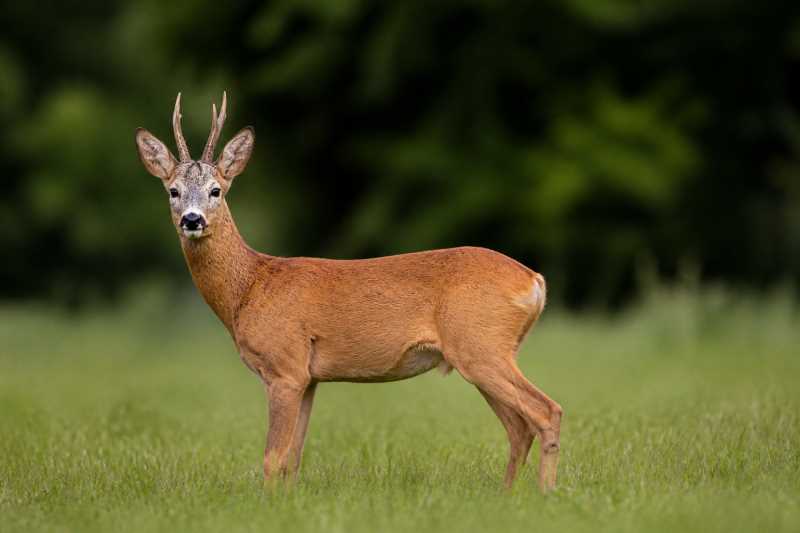
Eastern Roe Deer are medium-sized deer, weighing between 15 to 35 kilograms (33 to 77 pounds), with males, or bucks, being slightly larger than females, known as does. They possess a relatively short stature, standing at about 65 to 75 centimeters (25 to 30 inches) at the shoulder. Their coat varies seasonally; in summer, it is reddish-brown, while in winter, it turns to a grayish-brown hue to blend into the snowy environment. One of their distinctive features is the white rump patch, which is more pronounced than that of their close relatives, the Western Roe Deer.
Males are characterized by small, antler-like horns that shed annually. These antlers typically have two or three points, and they are used primarily for defense and during the rutting season to compete for mates. The face of the Eastern Roe Deer is marked by a dark muzzle and a lighter area around the eyes, which enhances their expressive appearance.
Range and Habitat
The Eastern Roe Deer is predominantly found across eastern Europe and Asia, extending from Poland and the Balkans through to Mongolia, China, and Korea. They are highly adaptable, thriving in a variety of habitats such as open woodlands, forest edges, grasslands, and even mountainous regions. Their adaptability is one of the reasons for their wide range, as they can flourish in both temperate and subarctic climates.
These deer prefer areas with a mix of vegetation that provides both food and cover. Dense underbrush and forests offer protection from predators and harsh weather, while open areas nearby serve as feeding grounds. This preference for heterogeneous landscapes makes them highly resilient to environmental changes, although deforestation and human encroachment pose significant threats to their habitats.
Behavior and Diet
Eastern Roe Deer are crepuscular, meaning they are most active during the early morning and late evening. This behavioral pattern helps them avoid predators that are more active during the day or night. These deer are known for their agility and speed, which they use to evade threats. During the winter, Eastern Roe Deer are more sedentary, often reducing their activity to conserve energy when food is scarce.
Their diet is primarily herbivorous, consisting of a variety of plant materials. They feed on leaves, grasses, herbs, and young shoots during the warmer months. In winter, when these resources are limited, they may resort to browsing on twigs, bark, and even acorns. Their feeding habits play a role in shaping the vegetation structure of their habitat, contributing to ecological balance.
Identification Tips (field recognition cues)
Identifying Eastern Roe Deer in the wild can be a rewarding experience for wildlife observers. Here are some tips to recognize them:
- Size and Shape: Look for a medium-sized deer with a compact, slender build. The head and body length is usually between 95 to 135 centimeters (37 to 53 inches).
- Coloration: Note the seasonal variation in coat color—reddish-brown in summer and grayish-brown in winter, with a distinct white rump patch.
- Antlers: During spring and summer, males have small antlers with two or three tines. These are shed in late autumn.
- Behavior: Look for their characteristic bounding gait, which helps them move quickly through dense vegetation.
- Habitat: They are more likely to be spotted at the edges of forests or in open fields during dawn and dusk.
Conservation Status (with threats and protections)
The conservation status of the Eastern Roe Deer is currently listed as Least Concern by the International Union for Conservation of Nature (IUCN). However, this does not mean they are free from threats. Habitat loss due to deforestation, agricultural expansion, and urbanization poses a significant threat to their populations. Additionally, illegal hunting and poaching continue to be a problem in some regions.
Efforts to protect Eastern Roe Deer include habitat preservation and the establishment of wildlife corridors that allow for safe migration and genetic exchange between populations. In some countries, hunting regulations have been put in place, limiting the times of year and the number of animals that can be legally hunted. Conservationists also work to raise awareness about the importance of this species in maintaining ecological balance.
Frequently Asked Questions
1. What is the difference between Eastern Roe Deer and Western Roe Deer?
The primary difference lies in their geographical distribution and some morphological traits. Eastern Roe Deer (Capreolus pygargus) are found across eastern Europe and Asia, while Western Roe Deer (Capreolus capreolus) inhabit western Europe. Eastern Roe Deer tend to have a more pronounced white rump patch and slightly larger antlers.
2. How do Eastern Roe Deer adapt to seasonal changes?
Eastern Roe Deer adapt to seasonal changes by altering their coat color for camouflage—reddish-brown in summer and grayish-brown in winter. They also adjust their diet, feeding on different plant materials as availability changes with the seasons.
3. Are Eastern Roe Deer solitary animals?
Eastern Roe Deer are generally solitary, although they may form small family groups, especially during the winter months. Males and females typically come together only during the breeding season.
4. What role do Eastern Roe Deer play in their ecosystem?
They play a crucial role as herbivores, helping to control vegetation growth and maintain the balance of plant species within their habitats. This activity supports biodiversity and provides food resources for predators.
5. How can we help in the conservation of Eastern Roe Deer?
Supporting habitat conservation efforts, adhering to hunting regulations, and promoting awareness about the species’ ecological role are all important steps. Engaging in community initiatives that focus on wildlife protection can also make a difference.
Related posts