Introduction
The White-bellied Free-tailed Bat, scientifically known as Mops niveiventer, is a fascinating species of bat within the Molossidae family. Known for its unique morphology and ecological role, this species of bat contributes significantly to the biodiversity of its habitats. With their remarkable flight capabilities and distinctive calls, these bats are both a subject of scientific interest and a crucial component of their ecosystem.
Physical Description
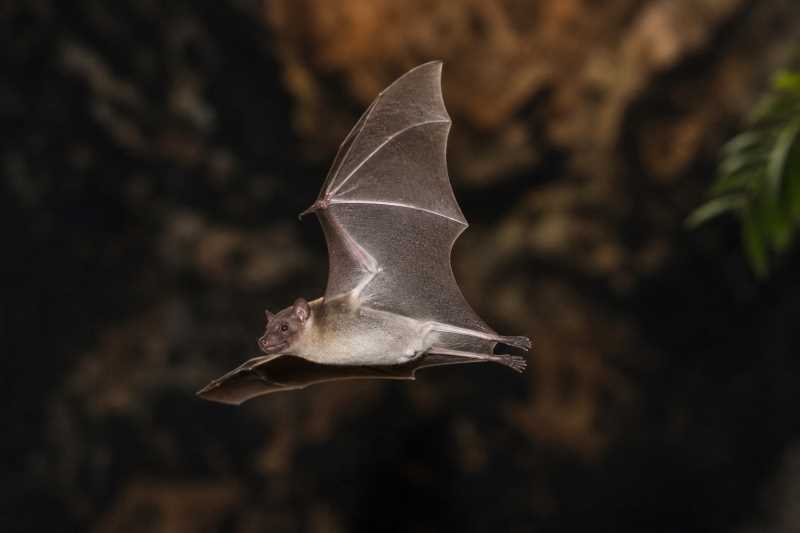
The White-bellied Free-tailed Bat is characterized by its robust body and distinctive white belly, which contrasts with its darker dorsal fur. The fur is usually a dark brown or gray, providing camouflage against the bark of trees or rocky crevices where they may roost. The species has a wingspan ranging from 32 to 35 cm, which aids in their agile flight. Notably, the tail extends beyond the uropatagium, a defining feature of free-tailed bats. Their ears are relatively large, aiding in their exceptional echolocation abilities.
Range and Habitat
- Mops niveiventer* is predominantly found in sub-Saharan Africa, though its precise range can vary. The species thrives in a variety of habitats, including savannas, woodlands, and sometimes even urban areas where suitable roosting sites are available. These bats typically roost in tree hollows, caves, or man-made structures, favoring locations that offer protection from predators and environmental extremes.
Behavior and Diet
The White-bellied Free-tailed Bat is nocturnal, emerging at dusk to forage for food. Their diet mainly consists of insects, which they catch in flight using their adept echolocation skills. These bats are known for their speed and agility, often traveling significant distances during their nightly foraging expeditions. Social behavior is evident in their roosting patterns, where they may be found in small groups, suggesting a level of social structure and communication among individuals.
Identification Tips (Field Recognition Cues)
Identifying the White-bellied Free-tailed Bat in the field involves noting several key characteristics:
- Size and Shape: Look for a medium-sized bat with a robust body and a wingspan of approximately 32 to 35 cm.
- Coloration: The distinct white belly is a primary identifying feature, contrasted by the darker dorsal fur.
- Tail: The tail extends beyond the wing membrane, which is a classic trait of free-tailed bats.
- Ears: Large ears are indicative of their reliance on echolocation.
- Flight Pattern: Observe their rapid, direct flight style during dusk and night.
Conservation Status (With Threats and Protections)
Currently, the White-bellied Free-tailed Bat is not listed as endangered, although specific population data is lacking, making conservation assessments challenging. Potential threats include habitat destruction due to deforestation and urban development, which reduce available roosting sites. Additionally, pesticide use can impact their insect prey, indirectly affecting bat populations. Conservation efforts focus on habitat preservation and reducing human-induced environmental impacts. Monitoring population trends and ecological research are crucial for ongoing conservation strategies.
Frequently Asked Questions
Why is this species unique?
The White-bellied Free-tailed Bat is unique due to its distinctive white belly and exceptional flight abilities. The species’ adaptation to various habitats and its role as an insect predator make it an integral part of its ecosystem.
What are the main threats to its population?
The primary threats include habitat destruction from deforestation and urbanization. Additionally, the widespread use of pesticides can decrease insect populations, affecting food availability for these bats.
How do these bats contribute to their ecosystem?
As insectivores, White-bellied Free-tailed Bats play a critical role in controlling insect populations, thus contributing to the balance of their ecosystems. Their predation on insects helps in maintaining agricultural health by reducing pest numbers.
Where can these bats be found?
These bats are predominantly found in sub-Saharan Africa and have adapted to live in a variety of environments, including woodlands, savannas, and even some urban areas where conditions are suitable.
Related posts