Introduction
The Valais Shrew, scientifically known as Sorex antinorii, is a fascinating mammal species that belongs to the Soricidae family. Known for its unique characteristics and limited distribution, the Valais Shrew has intrigued scientists and naturalists alike. This small, insectivorous mammal is primarily found in parts of Europe and is named after the Valais region in Switzerland, which is central to its range. Despite its small size, the Valais Shrew plays a significant role in its ecosystem, contributing to soil health and pest control.
In this article, we will delve into the various aspects of the Valais Shrew, including its physical description, range, and habitat, along with its behavior and diet. We will also discuss identification tips for those interested in observing this elusive creature in the wild. Additionally, we will explore the conservation status of the Valais Shrew, highlighting the threats it faces and the measures in place to protect it. Finally, we will address some frequently asked questions about this intriguing species.
Physical Description
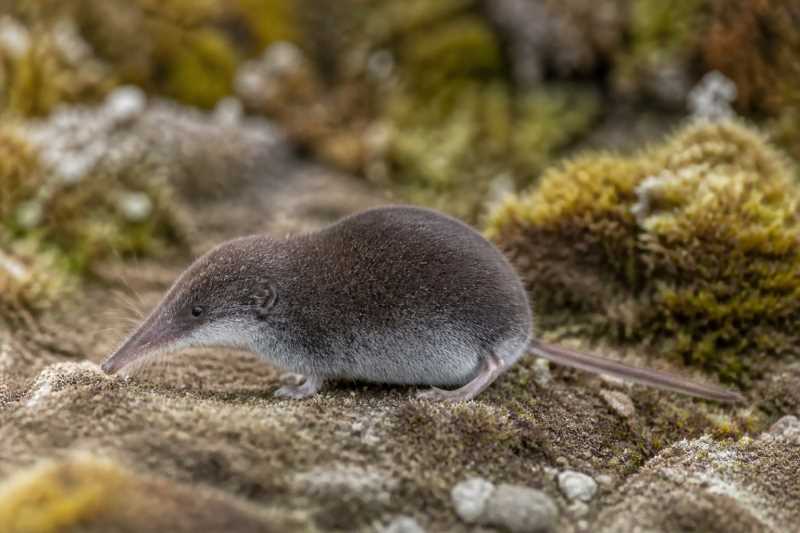
The Valais Shrew is a small mammal characterized by its elongated snout and a dense coat of fur. Adult Valais Shrews typically measure between 7 to 9 centimeters in length, excluding the tail, which can add an additional 3 to 5 centimeters. They usually weigh between 4 to 8 grams, making them one of the smaller members of the shrew family.
The fur of the Valais Shrew is soft and typically exhibits a brownish-gray color on the dorsal side, while the ventral side is lighter, often a pale gray or white. This coloration provides excellent camouflage in their natural habitat, helping them avoid predators. The tail is covered in fine hair and is slightly bi-colored, with a darker top and lighter underside.
One of the distinctive features of the Valais Shrew is its pointed snout, which is highly sensitive and used to detect prey in the soil. The eyes are small, and the ears are partially hidden within the fur, an adaptation that helps the shrew navigate its subterranean and dense vegetation habitats.
Range and Habitat
The Valais Shrew is primarily found in the central and southern parts of Europe. Its range includes Switzerland, Italy, and parts of France, where it inhabits a variety of environments. The species is most commonly associated with alpine and subalpine meadows, montane forests, and areas with abundant ground cover.
These shrews prefer habitats that provide ample cover and a rich supply of invertebrates, which form the bulk of their diet. They are often found in moist environments, such as near streams and wetlands, where prey is abundant. Additionally, the Valais Shrew is known to inhabit areas with loose, well-drained soils that allow for easy burrowing.
Behavior and Diet
The Valais Shrew is a solitary and territorial creature, often fiercely defending its territory from conspecifics. It is primarily nocturnal, with peak activity occurring during the night. This nocturnal behavior helps it avoid many predators that are active during the day.
The diet of the Valais Shrew primarily consists of insects and other small invertebrates, such as worms, spiders, and larvae. Its metabolism is extremely high, necessitating frequent feeding. A single shrew can consume more than its own body weight in food each day. The elongated snout is equipped with sensitive vibrissae (whiskers) that help the shrew detect prey within leaf litter and soil.
Breeding typically occurs in the warmer months, and the female Valais Shrew can produce several litters per year, each consisting of 2 to 8 young. The gestation period is short, around three weeks, and the young are weaned approximately one month after birth.
Identification Tips
Identifying the Valais Shrew in the field can be challenging due to its small size and elusive nature. However, several key characteristics can aid in its recognition:
- Size and Shape: Look for a small mammal with a slender, elongated body and a pointed snout.
- Coloration: Note the brownish-gray fur on the back and lighter underparts.
- Tail: The tail is relatively long, bi-colored, and covered with fine hair.
- Behavior: Observe nocturnal activity, often indicated by rustling sounds in the underbrush at night.
Field recognition often relies on sight and sound, as the Valais Shrew is rarely seen in the open during daylight hours.
Conservation Status
The International Union for Conservation of Nature (IUCN) currently lists the Valais Shrew as a species of Least Concern. However, it faces several threats that could impact its population in the future. Habitat loss due to agricultural expansion, urbanization, and climate change poses significant challenges. The fragmentation of habitats can lead to isolated populations, reducing genetic diversity and increasing vulnerability to environmental changes.
Conservation efforts for the Valais Shrew include habitat preservation and restoration. Protected areas in regions like the Alps help safeguard critical habitats. Additionally, research into the species’ ecology and population dynamics is crucial for informed conservation strategies.
Frequently Asked Questions
1. What does the Valais Shrew eat?
The Valais Shrew primarily feeds on insects and other small invertebrates. Their diet includes worms, spiders, and insect larvae, which they hunt using their acute sense of smell and touch.
2. Where can I find the Valais Shrew in the wild?
The Valais Shrew is found in central and southern Europe, particularly in alpine and subalpine meadows, montane forests, and areas near streams and wetlands.
3. How can you distinguish a Valais Shrew from other shrews?
Key identification features include its small size, brownish-gray dorsal fur, lighter underparts, and a long, bi-colored tail. Observing nocturnal activity can also help distinguish it from other species.
4. Is the Valais Shrew endangered?
The Valais Shrew is currently classified as Least Concern by the IUCN. However, it faces threats from habitat loss and fragmentation, which are being addressed through conservation efforts.
5. What role does the Valais Shrew play in its ecosystem?
As an insectivore, the Valais Shrew helps control insect populations and contributes to soil health through its burrowing activities, playing a crucial role in maintaining ecosystem balance.
Related posts