Introduction
The Brush-tailed Rabbit Rat (Conilurus penicillatus) is a fascinating yet lesser-known mammal species indigenous to northern Australia. As a member of the family Muridae, which includes the common house mouse, this intriguing creature stands out due to its unique physical characteristics and ecological behaviors. Despite its name, it is not closely related to the common rat or rabbit but possesses features reminiscent of both. This small nocturnal rodent plays a significant role in its ecosystem, contributing to seed dispersal and soil aeration. However, the Brush-tailed Rabbit Rat faces numerous threats, putting its survival at risk.
Physical Description
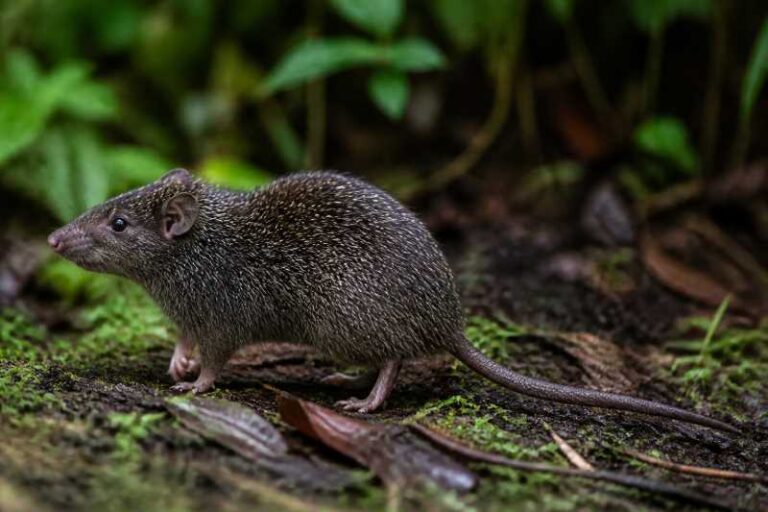
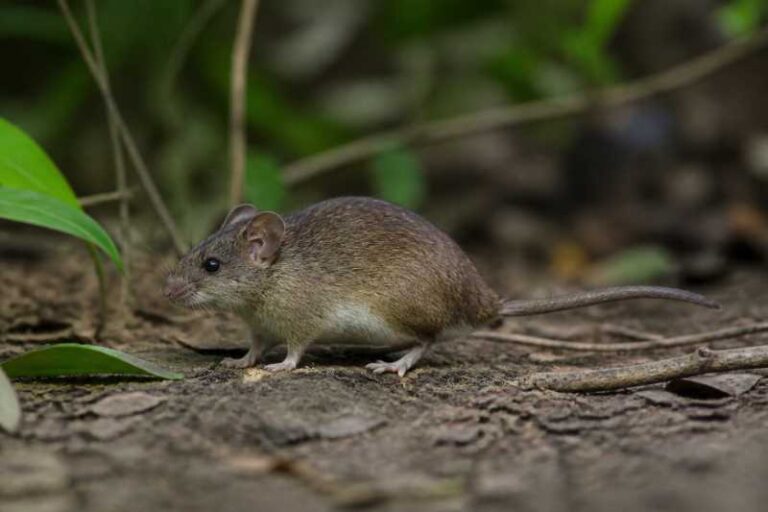
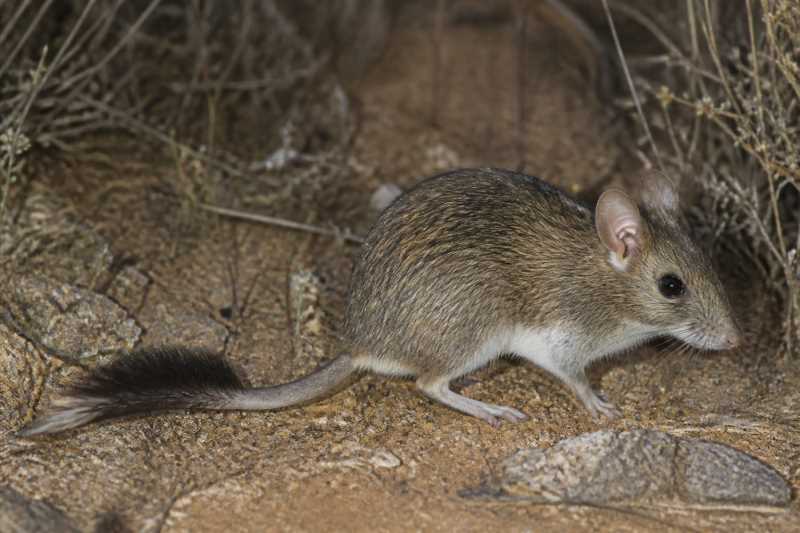
The Brush-tailed Rabbit Rat is a medium-sized rodent, measuring about 20 to 25 centimeters in length, with a distinctive tail that adds an additional 15 to 20 centimeters. This tail, often bushy and pencil-like, is covered in long, dark hairs, giving the species its common name. Its fur is generally a soft, grey-brown color on the back, with a lighter, almost white underbelly. The ears are large and rounded, contributing to its keen sense of hearing, while its eyes are prominent and adapted for nocturnal vision.
Weighing between 100 to 150 grams, the Brush-tailed Rabbit Rat exhibits sexual dimorphism, with males typically larger than females. Their hind legs are powerful, allowing them to leap significant distances, a trait that aids in their ability to evade predators.
Range and Habitat
Historically, the Brush-tailed Rabbit Rat’s range spanned across much of northern Australia, including parts of Queensland, Northern Territory, and Western Australia. However, their distribution has significantly contracted over the years. Currently, the species is predominantly found on a few offshore islands and isolated mainland locations within the Northern Territory.
The preferred habitat of the Brush-tailed Rabbit Rat includes tropical savannas, woodlands, and forests. They favor areas with dense ground cover and a plentiful supply of food resources, such as seeds and fruits. The presence of hollow logs and dense underbrush is crucial for shelter and protection from predators.
Behavior and Diet
The Brush-tailed Rabbit Rat is primarily nocturnal, spending daylight hours in nests built within hollow logs or burrows. These nests are constructed from grass and leaves, providing insulation and protection. At night, they emerge to forage for food, showcasing their omnivorous diet.
Their diet mainly consists of seeds, fruits, and flowers, but they also consume insects and small invertebrates when available. This varied diet helps in seed dispersal, as undigested seeds are excreted, promoting vegetation growth in their habitats.
Socially, they are solitary creatures, with each individual maintaining a home range that they defend from others. However, during the breeding season, which typically occurs from March to September, males and females come together to mate.
Identification Tips (Field Recognition Cues)
Identifying the Brush-tailed Rabbit Rat in the wild requires attention to specific physical and behavioral traits:
- Tail: Look for the distinctive brush-like tail, which is bushy and covered in longer, darker hairs.
- Size: They are medium-sized rodents, larger than a mouse but smaller than a large rat.
- Coloration: Note the grey-brown coloration on their back and lighter belly.
- Behavior: Active primarily at night, often seen foraging on the ground or leaping between shrubs.
- Ears and Eyes: The large, rounded ears and prominent eyes are adapted for nocturnal activity.
Conservation Status (With Threats and Protections)
The Brush-tailed Rabbit Rat is currently classified as "Endangered" on the IUCN Red List due to its declining population and shrinking habitat range. Several factors contribute to its endangered status:
- Habitat Loss: Deforestation and land clearing for agriculture and urbanization have significantly reduced available habitats.
- Predation: Introduced species such as feral cats and foxes pose significant threats, preying on these small mammals.
- Fire Regimes: Changes in fire patterns, especially the increase in frequency and intensity of fires, have disrupted their natural habitat.
Conservation efforts are underway to protect the remaining populations. These include habitat restoration projects, predator control programs, and research initiatives to better understand their ecology and behavior. Protected areas and reserves play a crucial role in conserving their natural habitats.
Frequently Asked Questions
What does the Brush-tailed Rabbit Rat eat?
The Brush-tailed Rabbit Rat is omnivorous, primarily feeding on seeds, fruits, flowers, and occasionally insects and small invertebrates.
Where can I find the Brush-tailed Rabbit Rat?
Currently, they are found in isolated regions of the Northern Territory, Australia, particularly on offshore islands and within protected reserves.
How does the Brush-tailed Rabbit Rat contribute to its ecosystem?
They play a vital role in seed dispersal and soil aeration, which promotes plant growth and maintains ecosystem health.
Why is the Brush-tailed Rabbit Rat endangered?
The species is endangered due to habitat loss, predation by introduced species, and altered fire regimes impacting their natural environment.
How can we help conserve the Brush-tailed Rabbit Rat?
Supporting habitat restoration projects, predator control initiatives, and raising awareness about their plight can aid in their conservation. Additionally, supporting conservation organizations working in Northern Australia can make a significant impact.
Related posts