Introduction
The Palawan Pencil-tailed Tree Mouse, scientifically known as Chiropodomys calamianensis, is a fascinating and elusive mammal species endemic to the Philippines. Part of the Muridae family, this unique rodent is known for its arboreal lifestyle and distinctive pencil-like tail. With its limited range and specialized habitat, the Palawan Pencil-tailed Tree Mouse is an intriguing subject for both researchers and wildlife enthusiasts. This comprehensive article delves into the various aspects of the species, offering insights into its physical characteristics, behavior, habitat, and conservation status.
Physical Description
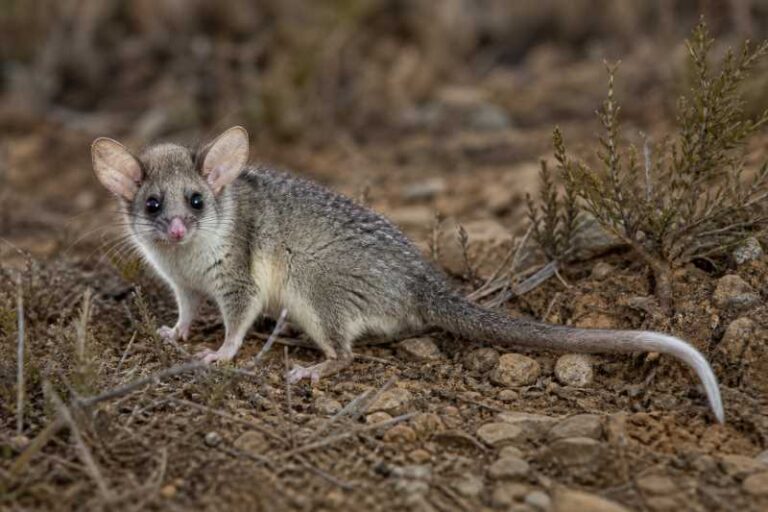
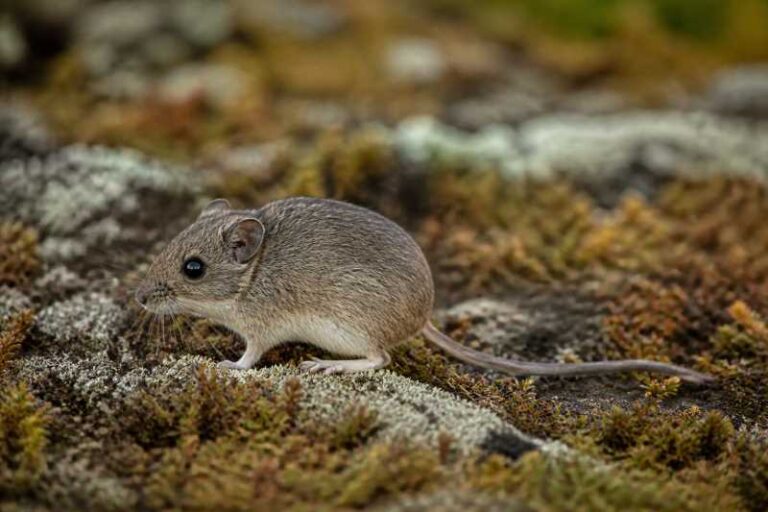
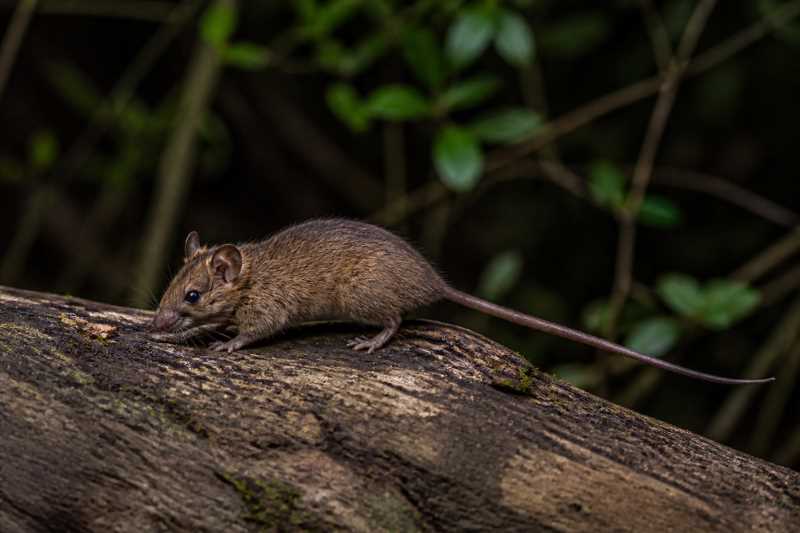
The Palawan Pencil-tailed Tree Mouse is characterized by its small size and distinctive tail, which resembles a pencil in its slenderness and tapering end. Adult mice typically have a head-and-body length of about 10-12 cm, and their tails can extend an additional 11-14 cm. The fur on these creatures is generally soft and dense, with a grayish-brown coloration on the dorsal side and a lighter, whitish hue on the ventral side. Their large, rounded ears and dark, beady eyes are adaptations for their nocturnal lifestyle, enhancing their ability to detect predators and navigate their arboreal habitat at night.
The tail is covered with short, fine hairs, and its length is a notable feature, aiding in balance and grasping branches as the mouse navigates through the trees. The limbs are relatively long and slender, equipped with sharp claws that provide a firm grip on bark and foliage.
Range and Habitat
The Palawan Pencil-tailed Tree Mouse is endemic to the Philippines, specifically found in the Palawan province, including the Calamian Islands. This region is known for its rich biodiversity and relatively untouched natural environments. The species inhabits tropical forests, particularly favoring primary and secondary growth forests with a dense canopy.
These mice are arboreal, spending most of their lives in the trees. They can be found at varying altitudes, from lowland forests near sea level to montane areas up to 1,500 meters. Their presence is closely tied to the availability of suitable forest habitats, which provide both food sources and protection from predators.
Behavior and Diet
The Palawan Pencil-tailed Tree Mouse is primarily nocturnal, foraging and engaging in most activities during the night. This nocturnal behavior helps them avoid many diurnal predators and reduces competition for food resources. Their arboreal nature means they are rarely seen on the ground, spending most of their time navigating the complex forest canopy.
Dietary habits of this species include a variety of fruits, seeds, and possibly insects, although detailed studies on their diet are limited. The availability of food resources in their habitat influences their range and population density. These mice play a role in seed dispersal due to their frugivorous diet, contributing to the health and regeneration of their forest environment.
Identification Tips (Field Recognition Cues)
Identifying the Palawan Pencil-tailed Tree Mouse in the wild can be challenging due to their elusive nature and nocturnal habits. However, there are several field recognition cues that can aid in identification:
- Tail: Look for the distinctive pencil-like tail, which is long, slender, and tapers to a fine point. This is the most definitive characteristic.
- Ears and Eyes: Large, rounded ears and prominent dark eyes are key features that stand out, particularly in low-light conditions.
- Fur Coloration: The contrast between the grayish-brown dorsal fur and the lighter ventral side can help in distinguishing these mice from other similar species.
- Habitat: Observing the mouse in a forested area with a dense canopy can increase the likelihood of identification, as they are almost exclusively arboreal.
Conservation Status (with Threats and Protections)
The conservation status of the Palawan Pencil-tailed Tree Mouse is currently listed as "Data Deficient" by the International Union for Conservation of Nature (IUCN) due to a lack of comprehensive data on its population trends and threats. However, it faces several potential threats that are common to many forest-dwelling species in the region.
Threats
- Habitat Loss: Deforestation for agriculture and urban development poses a significant threat to their habitat. Logging and land conversion reduce the availability of suitable living environments.
- Climate Change: Alterations in climate patterns can affect the availability of food resources and suitable habitat conditions.
- Predation: While natural predators are part of the ecosystem, the introduction of non-native species can disrupt the balance and increase predation pressures.
Protections
- Protected Areas: Some regions within the Palawan province are designated as protected areas, offering a level of habitat conservation crucial for the survival of this species.
- Conservation Initiatives: Efforts to conserve the unique biodiversity of Palawan include habitat preservation and sustainable land-use practices.
Frequently Asked Questions
What is the habitat of the Palawan Pencil-tailed Tree Mouse?
The Palawan Pencil-tailed Tree Mouse inhabits tropical forests in the Palawan province of the Philippines, favoring primary and secondary growth forests with a dense canopy. These arboreal mice are found at various altitudes from lowland forests to montane areas.
How can I identify a Palawan Pencil-tailed Tree Mouse in the wild?
Key identification features include a long, slender tail that resembles a pencil, large rounded ears, prominent dark eyes, and a grayish-brown dorsal fur with a lighter ventral side. Observing these mice in their arboreal habitat at night increases the likelihood of identification.
Are Palawan Pencil-tailed Tree Mice endangered?
The Palawan Pencil-tailed Tree Mouse is currently listed as "Data Deficient" by the IUCN due to insufficient data on its population and threats. However, habitat loss and other environmental pressures pose potential risks to their survival.
What do Palawan Pencil-tailed Tree Mice eat?
Their diet primarily consists of fruits, seeds, and possibly insects. The availability of these food resources influences their habitat range and population density.
Why is the Palawan Pencil-tailed Tree Mouse important?
This species plays a role in seed dispersal and contributes to the health and regeneration of forest ecosystems. As part of the unique biodiversity of the Palawan region, it holds ecological significance.
Related posts