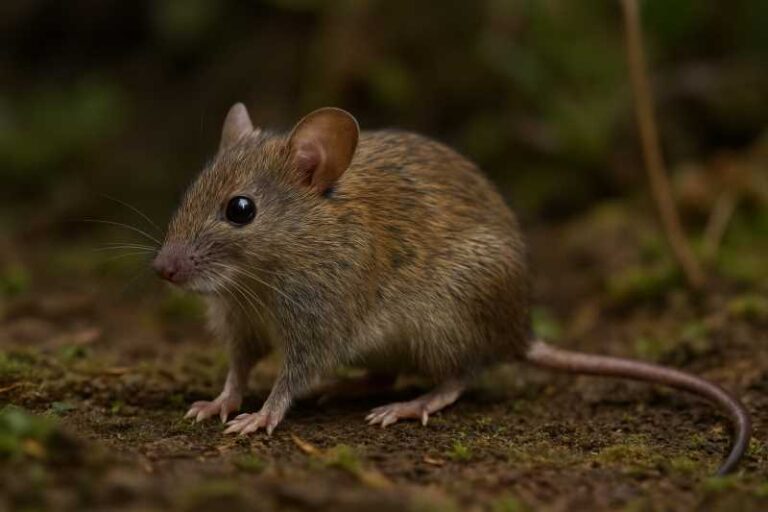
Orinoco Four-eyed Opossum (Philander deltae): A Comprehensive Guide
Introduction
The Orinoco Four-eyed Opossum, scientifically known as Philander deltae, is a fascinating marsupial native to the rich biodiversity of South America. This intriguing species is named for the distinctive light-colored spots above its eyes, which give the appearance of having four eyes. As part of the Didelphidae family, the Orinoco Four-eyed Opossum is closely related to other opossums but stands out due to its unique adaptations and habitat preferences. This article delves into various aspects of this species, including its physical characteristics, habitat, behavior, and conservation status, providing a comprehensive overview of this remarkable marsupial.
Physical Description
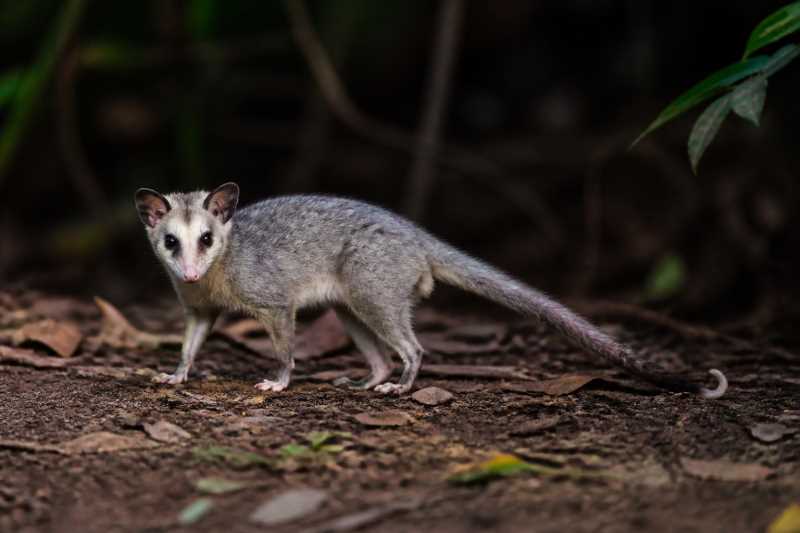
The Orinoco Four-eyed Opossum is a medium-sized marsupial characterized by its distinctive facial markings. These light-colored spots above each eye are what give the species its common name, as they resemble a second set of eyes. The opossum’s fur is generally a grayish-brown, providing effective camouflage in its natural environment. The underbelly is lighter, often exhibiting a creamy or whitish hue.
Adult Orinoco Four-eyed Opossums typically measure between 30 to 45 centimeters in body length, with a tail that can extend an additional 25 to 35 centimeters. This prehensile tail is an essential adaptation, aiding in balance and mobility through their arboreal habitats. Their weight can vary, but most adults fall within the range of 200 to 500 grams.
Their ears are prominent and rounded, enhancing their ability to detect sounds in the dense forests they inhabit. Additionally, they possess sharp claws and a robust dental structure, both of which are crucial for their omnivorous feeding habits and survival in the wild.
Range and Habitat
The Orinoco Four-eyed Opossum is primarily found in the Orinoco River Basin, which spans parts of Venezuela and Colombia. This region is characterized by its diverse ecosystems, including tropical rainforests, savannas, and wetlands. The opossum is highly adaptable and can thrive in a range of habitats, from dense forests to more open areas with scattered trees.
Their habitat preferences are closely tied to the availability of food and shelter. They are often found in areas with abundant vegetation, which provides both food resources and protection from predators. The presence of water bodies, such as rivers and streams, is also a common feature of their habitat, as these areas support a rich diversity of plant and animal life that forms part of the opossum’s diet.
Behavior and Diet
The Orinoco Four-eyed Opossum is primarily nocturnal, spending its nights foraging for food and its days resting in hidden spots. This nocturnal lifestyle helps reduce the risk of predation and allows them to take advantage of cooler temperatures. They are solitary creatures, with individuals maintaining distinct territories that they mark and defend.
Their diet is highly varied, reflecting their omnivorous nature. They feed on a wide range of food items, including fruits, insects, small vertebrates, and even carrion. This dietary flexibility allows them to adapt to changes in food availability and helps them survive in diverse environments.
During the breeding season, which typically occurs in the warmer months, female opossums give birth to a litter of young. As marsupials, the young are born at a very early stage of development and continue to grow in the mother’s pouch before venturing out into the world.
Identification Tips (Field Recognition Cues)
Identifying the Orinoco Four-eyed Opossum in the field requires attention to several key features:
- Facial Markings: Look for the distinctive light-colored spots above the eyes, which are a hallmark of the species.
- Body Size and Shape: Note the medium size and the combination of a grayish-brown coat with a lighter underbelly.
- Tail: Observe the long, prehensile tail, which is often used for balance and grasping.
- Behavior: Spotting them at night is more likely due to their nocturnal habits. Listen for rustling in the underbrush or look for movement in the trees.
- Habitat: Focus on areas near water sources with abundant vegetation, as these are their preferred habitats.
Conservation Status (With Threats and Protections)
The Orinoco Four-eyed Opossum is not currently listed as threatened or endangered, but it faces several challenges that could impact its population in the future. Habitat destruction, primarily due to deforestation and agricultural expansion, poses a significant threat to their natural environment. Pollution and climate change also threaten the delicate ecosystems of the Orinoco Basin.
Conservation efforts are essential to ensure the survival of this species. Protective measures include habitat preservation and restoration, as well as policies aimed at reducing deforestation rates. Local and international conservation organizations are working to raise awareness about the importance of preserving the Orinoco Basin’s biodiversity.
Frequently Asked Questions
1. What is unique about the Orinoco Four-eyed Opossum’s appearance?
The Orinoco Four-eyed Opossum is unique for its light-colored spots above the eyes, giving it the appearance of having four eyes. This distinctive feature is a key identification marker.
2. Where can the Orinoco Four-eyed Opossum be found?
This species is native to the Orinoco River Basin, covering parts of Venezuela and Colombia. It inhabits a variety of ecosystems, including tropical rainforests and savannas.
3. What does the Orinoco Four-eyed Opossum eat?
As an omnivore, the Orinoco Four-eyed Opossum has a diverse diet that includes fruits, insects, small vertebrates, and carrion, allowing it to adapt to different food availabilities.
4. How does the Orinoco Four-eyed Opossum contribute to its ecosystem?
This opossum plays a crucial role in its ecosystem by controlling insect populations and dispersing seeds through its fruit-eating habits, contributing to forest regeneration.
5. Are Orinoco Four-eyed Opossums endangered?
Currently, the Orinoco Four-eyed Opossum is not classified as endangered. However, habitat destruction and environmental changes pose potential threats to its population.
Related posts