Introduction
The Afghan Snowfinch, scientifically known as Pyrgilauda theresae, is a unique and relatively lesser-known bird species endemic to the high-altitude regions of Central Asia. Known for their adaptability to harsh environments, these birds have piqued the interest of ornithologists and bird watchers alike. This article delves deep into the world of the Afghan Snowfinch, exploring its habitat, behavior, conservation status, and the challenges it faces in its natural habitat.
Taxonomy and Description
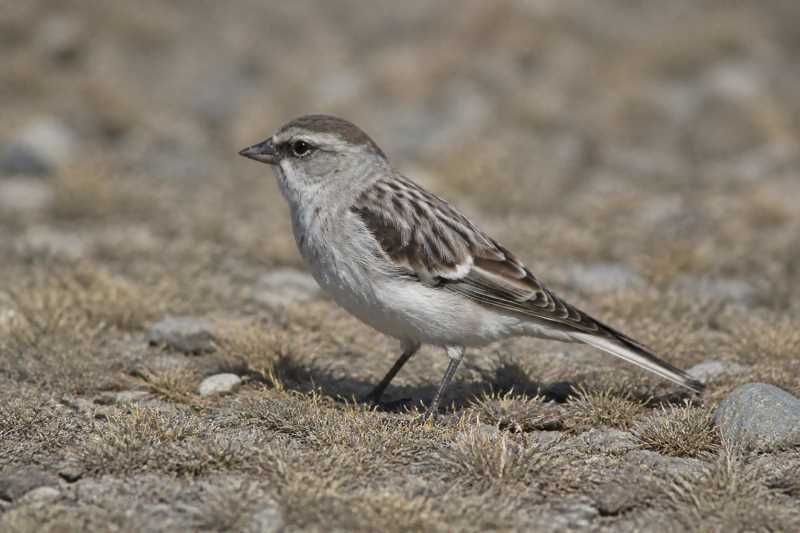
The Afghan Snowfinch belongs to the family Passeridae, commonly known as the sparrow family. It was first described by ornithologist Jean Delacour in 1943. The bird is medium-sized, measuring approximately 14-16 cm in length, with a wingspan ranging from 24 to 28 cm. It has a distinctive appearance, characterized by its pale brown plumage with streaks of white and black, allowing it to blend seamlessly into its mountainous environment.
The Afghan Snowfinch exhibits sexual dimorphism, although it is relatively subtle. Males generally possess slightly brighter plumage compared to females, which tend to be more muted in color. Both sexes have a stout bill adapted for seed consumption, a primary component of their diet.
Habitat and Distribution
The Afghan Snowfinch is primarily found in the mountainous regions of Afghanistan, particularly in the Hindu Kush and Pamir ranges. They inhabit high-altitude areas, typically ranging from 2,500 to 5,000 meters above sea level. These birds prefer open landscapes, such as alpine meadows and rocky slopes, where they can forage for seeds and insects.
Their distribution is limited, making them a species of interest in terms of conservation and study. The remote and rugged terrain they inhabit poses significant challenges for researchers attempting to study them in their natural habitat.
Behavior and Ecology
Afghan Snowfinches are social birds, often observed in small flocks, especially outside the breeding season. Their social structure and interactions are vital for survival in their harsh environment. During the breeding season, which typically occurs from May to July, these birds form monogamous pairs.
Nesting usually takes place in rock crevices or beneath stones, providing protection from predators and harsh weather conditions. The female lays a clutch of 3-5 eggs, which are incubated for approximately 12-14 days. Both parents share the responsibilities of feeding and caring for the young.
Their diet primarily consists of seeds, which they forage from the ground. Insects also form a crucial part of their diet, especially during the breeding season when the nutritional demands are higher.
Adaptations to High Altitudes
Living at high altitudes presents numerous challenges, including low oxygen levels, extreme temperatures, and limited food availability. The Afghan Snowfinch has evolved various adaptations to thrive in such conditions. Their respiratory system is highly efficient, allowing them to extract maximum oxygen from the thin air. Additionally, their plumage provides excellent insulation against the cold.
Behavioral adaptations are also evident, with these birds often feeding during the warmer parts of the day to conserve energy. They are also known to exploit microhabitats and use snow cover as a thermal refuge.
Conservation Status and Threats
The International Union for Conservation of Nature (IUCN) currently classifies the Afghan Snowfinch as a species of Least Concern. However, given their restricted range and specific habitat requirements, they are susceptible to habitat degradation and climate change.
Human activities, such as mining and infrastructure development, pose potential threats to their habitat. Climate change also poses a significant threat, as it can lead to habitat loss due to the shrinking of alpine zones.
Research and Conservation Efforts
Despite their classification as Least Concern, continued monitoring of the Afghan Snowfinch populations is essential. Conservation efforts should focus on habitat preservation and minimizing human disturbances in their natural range. Collaborative research initiatives, involving local and international stakeholders, can provide valuable insights into their ecology and inform conservation strategies.
Education and awareness campaigns are equally important in ensuring the protection of these birds. Engaging local communities in conservation efforts can foster a sense of stewardship and sustainable coexistence with wildlife.
Conclusion
The Afghan Snowfinch is a remarkable example of adaptation and survival in one of the world’s most challenging environments. While currently not under immediate threat, proactive conservation measures are crucial to ensure their continued survival. This enigmatic bird serves as a reminder of the rich biodiversity that exists in our world and the importance of preserving it for future generations.
References
- Delacour, J. (1943). Description of Pyrgilauda theresae.
- BirdLife International. (2021). Species factsheet: Pyrgilauda theresae.
- IUCN Red List. (2021). Pyrgilauda theresae: Least Concern.
Further Reading
- "Birds of Central Asia" by Raffael Ayé, Manuel Schweizer, and Tobias Roth.
- "Handbook of the Birds of the World" by Josep del Hoyo, Andrew Elliott, and Jordi Sargatal.
Acknowledgments
Special thanks to the ornithological community and local conservationists working tirelessly to study and protect the Afghan Snowfinch and its habitat.
Related posts