Discovering the Perijá Tapaculo: A Jewel of the Andes
Nestled in the lush, verdant forests of the Northern Andes, the Perijá Tapaculo (Scytalopus perijanus) emerges as a remarkable testament to the biodiversity of this unique region. This elusive bird, first described scientifically in 2015, has quickly captured the attention of ornithologists and bird enthusiasts alike. With its subtle beauty and distinctive song, the Perijá Tapaculo has become a symbol of the fragile ecosystems it inhabits and the urgent need for conservation efforts.
A Hidden Gem of the Andes
The Perijá Tapaculo is endemic to the Serranía de Perijá, a mountain range straddling the border between Colombia and Venezuela. This range forms part of the Northern Andes, a hotspot for biodiversity that harbors numerous endemic species. The Perijá Tapaculo’s discovery was a significant milestone, as this region had long been underexplored due to its remote location and historical geopolitical tensions.
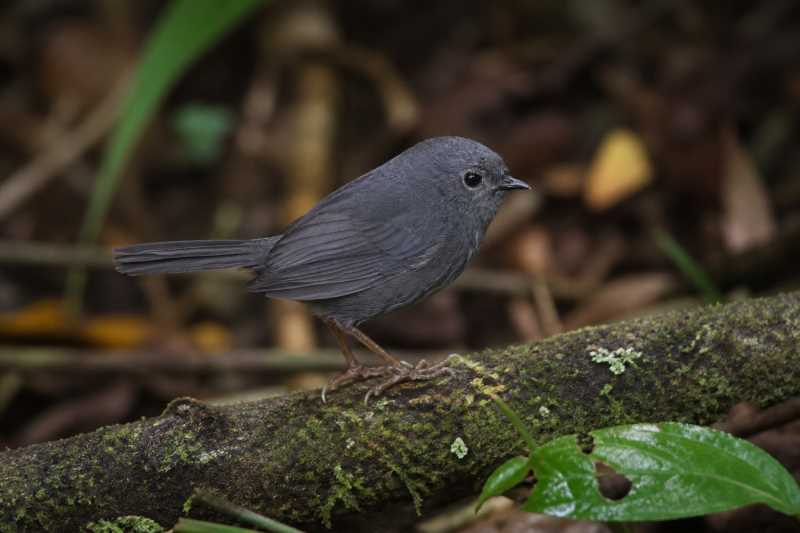
Measuring approximately 10 centimeters in length, the Perijá Tapaculo is a small, inconspicuous bird with a predominantly gray and brown plumage. Its understated appearance contrasts sharply with its vibrant ecosystem, where it inhabits montane forests, cloud forests, and paramos at elevations ranging from 1,600 to 3,225 meters above sea level.
Discovery and Taxonomy
The discovery of the Perijá Tapaculo is a fascinating tale of perseverance and collaboration. For decades, the bird was known only through brief sightings and anecdotal reports. It wasn’t until 2015, following extensive fieldwork and genetic analysis, that the Perijá Tapaculo was formally described as a distinct species.
The scientific classification of the Perijá Tapaculo places it within the family Rhinocryptidae, which includes other tapaculos known for their elusive behavior and ground-dwelling habits. The genus Scytalopus is particularly renowned for its complexity, with species often differentiated by subtle variations in vocalizations rather than physical characteristics.
Vocalizations: The Bird’s Signature
One of the most intriguing aspects of the Perijá Tapaculo is its vocal repertoire. Like other tapaculos, its call is a crucial component of its identity and serves as the primary means of distinguishing it from closely related species. The Perijá Tapaculo’s song consists of a series of repeated notes, delivered in a rapid, rhythmic pattern. These vocalizations play a critical role in territory defense and mate attraction.
Ornithologists often rely on bioacoustic analysis to study these vocal patterns, using sophisticated recording equipment to capture and analyze the subtle differences in pitch, timing, and frequency. Such analyses have been instrumental in confirming the Perijá Tapaculo as a distinct species, underscoring the importance of sound in avian taxonomy.
Conservation Challenges
Despite its recent discovery, the Perijá Tapaculo faces significant threats that jeopardize its survival. The Serranía de Perijá, while rich in biodiversity, is also a region under pressure from human activities. Deforestation, driven by agriculture, cattle ranching, and illegal logging, poses a direct threat to the bird’s habitat. Additionally, climate change is altering the delicate balance of these montane ecosystems, further complicating conservation efforts.
The Perijá Tapaculo is currently classified as Vulnerable by the International Union for Conservation of Nature (IUCN), highlighting the urgent need for effective conservation measures. Protecting its habitat requires a multifaceted approach that includes habitat restoration, sustainable land-use practices, and the establishment of protected areas.
Conservation Initiatives and Future Prospects
Conservation organizations and local communities are actively working to safeguard the Perijá Tapaculo’s habitat. Initiatives focus on promoting sustainable agricultural practices, reforesting degraded areas, and raising awareness about the importance of preserving the region’s unique biodiversity.
Collaboration between Colombian and Venezuelan authorities is crucial, given the Perijá Tapaculo’s transboundary range. Joint efforts can facilitate the creation of cross-border conservation strategies, ensuring the protection of critical habitats and the species that depend on them.
The Importance of Continued Research
Continued scientific research is vital for understanding the ecological needs of the Perijá Tapaculo and implementing effective conservation strategies. Field studies that monitor population trends, habitat preferences, and breeding behaviors provide essential data that inform conservation planning.
Moreover, the Perijá Tapaculo serves as an ambassador for the lesser-known species of the Northern Andes, drawing attention to the region’s rich biodiversity and the challenges it faces. By studying and protecting this enigmatic bird, scientists and conservationists contribute to broader efforts to conserve the Andean ecosystems.
Conclusion
The discovery and study of the Perijá Tapaculo is a poignant reminder of the natural world’s complexity and the wonders it holds. As we uncover more about this elusive bird, we are reminded of our responsibility to protect the fragile ecosystems of the Northern Andes. Through collaborative conservation efforts and a commitment to sustainable practices, we can ensure that the Perijá Tapaculo and its habitat endure for generations to come.
Related posts