Vella Lavella White-eye: A Jewel of the Solomon Islands
The Vella Lavella White-eye (Zosterops vellalavella) is a captivating bird species that captures the allure and biodiversity of the Solomon Islands. Nestled in the verdant tropical landscapes of Vella Lavella Island, this bird is a testament to the rich ecological tapestry and evolutionary wonder of this Pacific archipelago. In this article, we delve into the fascinating characteristics, habitat, and conservation concerns surrounding this unique avian species.
Taxonomy and Physical Characteristics
The Vella Lavella White-eye belongs to the genus Zosterops, a diverse group within the family Zosteropidae. Characterized by their striking eye rings, white-eyes are commonly found across Africa, Asia, and the Pacific. The Vella Lavella White-eye stands out as a distinct member of this group, displaying unique adaptations and features.
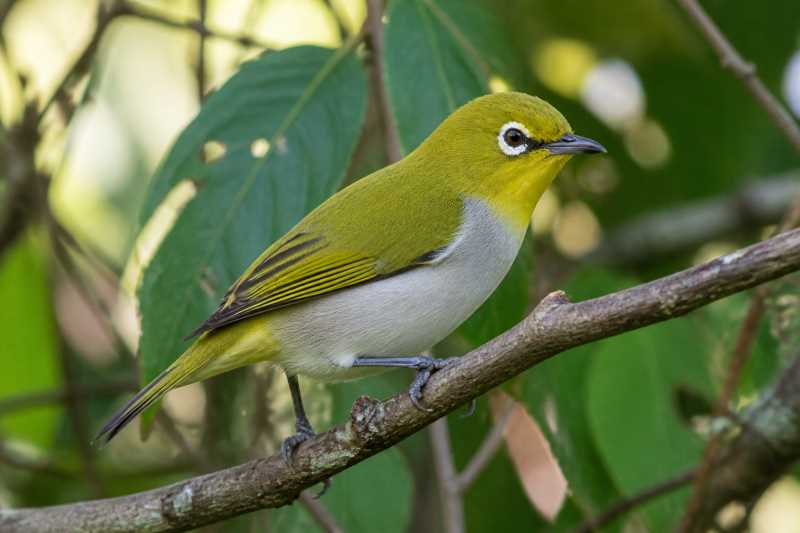
Measuring approximately 11 centimeters in length, this small bird is adorned with olive-green plumage on its upperparts and a lighter, more subdued yellow on its underparts. The defining feature, as with other white-eyes, is the conspicuous white ring encircling its eyes, which contrasts beautifully with its dark irises. This distinctive eye ring not only adds to its charm but also plays a role in species recognition and mate selection.
Habitat and Distribution
Vella Lavella Island, part of the Solomon Islands, serves as the primary habitat for the Vella Lavella White-eye. The island’s dense, humid forests provide an ideal environment for this bird, offering abundant food resources and nesting sites. These forests, ranging from coastal lowlands to montane areas, are rich in biodiversity, hosting a variety of flora and fauna.
The white-eye’s distribution is currently confined to Vella Lavella, making it an endemic species. This restricted range highlights the importance of preserving its natural habitat to ensure its continued survival. The bird’s presence in various forest strata, from canopy to understory, demonstrates its adaptability and versatility in exploiting available resources.
Behavior and Diet
The Vella Lavella White-eye is known for its social behavior, often observed in small flocks. These groups engage in cooperative foraging, which is a common trait among white-eyes, enhancing their efficiency in locating food and avoiding predators.
Their diet primarily consists of insects, fruit, and nectar, reflecting their opportunistic feeding habits. The bird’s slender, pointed bill is well-suited for gleaning insects from foliage and for accessing nectar from flowers. This dietary diversity not only supports its nutritional needs but also plays a role in pollination, contributing to the ecological dynamics of the island’s flora.
Breeding and Reproduction
The breeding season for the Vella Lavella White-eye is influenced by the island’s climate and food availability, typically occurring during the wetter months when resources are plentiful. During this period, pairs engage in courtship displays, which include vocalizations and mutual preening, to strengthen pair bonds.
Nesting occurs in well-hidden sites within dense foliage, offering protection from predators. The female lays a clutch of two to three eggs, which are incubated by both parents. This bi-parental care extends to feeding and protecting the chicks, ensuring higher survival rates for the offspring.
Conservation Status and Threats
Currently, the Vella Lavella White-eye is classified by the International Union for Conservation of Nature (IUCN) as Near Threatened. Despite its relatively stable population, the bird faces several threats that could impact its future survival.
Habitat loss due to logging, agriculture, and infrastructure development poses the most significant risk. As the island’s forests are reduced and fragmented, the white-eye’s habitat becomes increasingly compromised. Additionally, the introduction of invasive species, such as rats and cats, further exacerbates the threat by predating on eggs and young birds.
Conservation efforts are essential to protect this species and its habitat. Establishing protected areas, promoting sustainable land-use practices, and conducting regular population assessments are crucial steps in ensuring the Vella Lavella White-eye’s continued existence.
Conclusion
The Vella Lavella White-eye is more than just a bird; it is a symbol of the unique and fragile ecosystem of the Solomon Islands. Its presence enriches the biodiversity of Vella Lavella Island and underscores the importance of conservation efforts in preserving such irreplaceable natural treasures. By fostering awareness and supporting conservation initiatives, we can help safeguard the future of this remarkable species and its habitat.
In conclusion, the Vella Lavella White-eye exemplifies the beauty and complexity of island ecosystems. As we strive to protect this and other endemic species, we contribute to the greater goal of preserving biodiversity for future generations.
Related posts