The Tuamotu Reed Warbler: A Detailed Exploration of a Unique Avian Species
Introduction
The Tuamotu Reed Warbler, scientifically known as Acrocephalus atyphus, is a captivating bird species that has piqued the interest of ornithologists and bird enthusiasts alike. Native to the Tuamotu Archipelago in French Polynesia, this reed warbler is an emblematic species of the region, embodying the rich biodiversity and unique ecological characteristics of its habitat. This article delves into the various aspects of the Tuamotu Reed Warbler, including its habitat, behavior, conservation status, and the challenges it faces in the modern world.
Taxonomy and Description
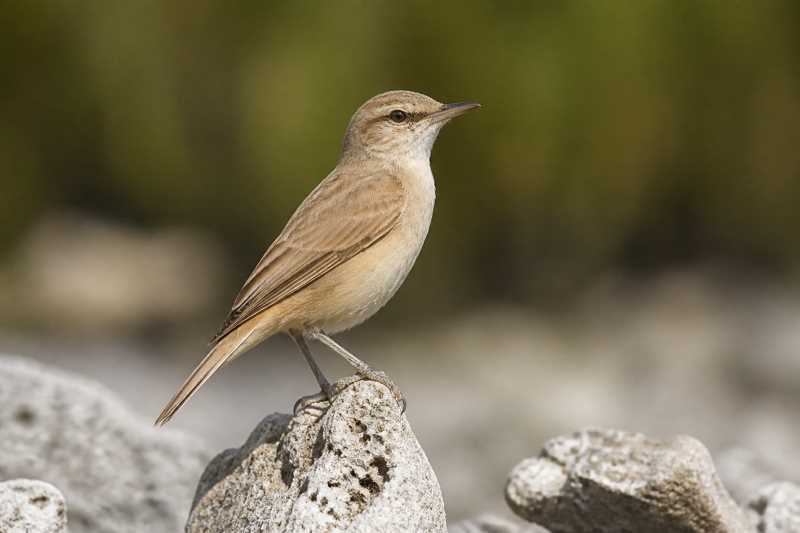
The Tuamotu Reed Warbler belongs to the genus Acrocephalus, which comprises a group of warblers known for their affinity to reed beds. The species was first described in 1844 by the French naturalist Charles Lucien Bonaparte. This bird is characterized by its medium size, with an average length of about 18 cm and a wingspan ranging between 22 to 24 cm. Its plumage is predominantly olive-brown on the upper parts, with a paler, yellowish underside. The bird’s distinctive long, pointed bill is adapted for its insectivorous diet, allowing it to forage effectively among reeds and bushes.
Habitat and Distribution
The Tuamotu Reed Warbler is endemic to the Tuamotu Archipelago, a chain of atolls in French Polynesia. These atolls provide a unique environment, consisting of lush vegetation around the lagoon shores, which is ideal for the warbler’s nesting and foraging activities. The bird is primarily found in dense scrublands and reed beds, where it can avoid predators and find abundant food resources. Unfortunately, its distribution is restricted to specific islands within the archipelago, making it vulnerable to habitat disturbances.
Behavior and Diet
This reed warbler exhibits a range of fascinating behaviors, particularly in its vocalizations and foraging techniques. The Tuamotu Reed Warbler is known for its melodious and complex song, which plays a crucial role in territory establishment and mate attraction. Males often sing from exposed perches to maximize their audible range, thus ensuring their presence is known to rivals and potential mates.
In terms of diet, the Tuamotu Reed Warbler is primarily insectivorous, feeding on a variety of insects and arthropods found within its habitat. It employs a gleaning technique, capturing prey from foliage and reeds, a method that requires precision and agility. Occasionally, the bird may consume small fruits and seeds, supplementing its insect diet.
Breeding and Reproduction
Breeding season for the Tuamotu Reed Warbler typically aligns with the onset of the wet season, when food resources are abundant. The species is monogamous, with pairs forming strong bonds that last through the breeding season. Nests are constructed from grasses and reeds, often placed well-hidden within dense vegetation to protect from predators.
Females lay between two to three eggs per clutch, with both parents sharing incubation duties. Once hatched, the chicks are altricial, requiring extensive parental care before fledging. Both parents are involved in feeding and protecting the young, a critical period for the survival of the offspring.
Conservation Status and Threats
The Tuamotu Reed Warbler is currently classified as Vulnerable by the International Union for Conservation of Nature (IUCN). This classification is primarily due to its limited range and the ongoing threats to its habitat. The introduction of invasive species, such as rats and cats, pose significant risks by preying on eggs and chicks. Furthermore, habitat destruction from human activities, including agricultural expansion and infrastructure development, exacerbates the species’ vulnerability.
Climate change also presents a looming threat, as rising sea levels and changing weather patterns can alter the delicate ecosystems of the Tuamotu atolls. Conservation efforts are essential to mitigate these threats, with initiatives focusing on habitat protection, invasive species control, and community engagement in conservation practices.
Conservation Efforts and Future Directions
Efforts to conserve the Tuamotu Reed Warbler require a multifaceted approach, involving local communities, governmental bodies, and international conservation organizations. Establishing protected areas within the Tuamotu Archipelago is crucial for safeguarding critical habitats. Additionally, successful eradication programs targeting invasive species have shown promise in improving breeding success rates for the warbler.
Raising awareness among local populations about the importance of preserving their unique avian heritage is another vital component. Educating communities about the ecological value of the Tuamotu Reed Warbler fosters a sense of stewardship and encourages participation in conservation efforts.
Research also plays a pivotal role in conservation. Continuous monitoring of population trends, habitat conditions, and the impact of climate change provides invaluable data to guide conservation strategies. Collaborative research projects between local and international entities can enhance understanding and implementation of effective conservation measures.
Conclusion
The Tuamotu Reed Warbler stands as a symbol of the rich biodiversity and ecological uniqueness of the Tuamotu Archipelago. Its survival hinges on concerted conservation efforts addressing the multitude of threats it faces. By prioritizing habitat protection, controlling invasive species, and fostering community involvement, there is hope for securing a future for this remarkable bird. The story of the Tuamotu Reed Warbler serves as a poignant reminder of our responsibility to protect the natural world and the species that depend on it.
References
- BirdLife International (2021). Acrocephalus atyphus. The IUCN Red List of Threatened Species 2021.
- Thibault, J.-C., & Cibois, A. (2017). Birds of Eastern Polynesia: A Biogeographic Atlas. Lynx Edicions.
- Garnett, S. T., & Christidis, L. (2017). Taxonomy and Threats Determine Conservation Status: A Case Study from the Tuamotus, French Polynesia.
Meta Title
"Exploring the Tuamotu Reed Warbler: A Unique Avian Species"
Meta Description
"Discover the fascinating world of the Tuamotu Reed Warbler, its habitat, behavior, and conservation challenges in this comprehensive 2000-word article."
Related posts