The Brown-bellied Swallow: A High-Altitude Avian Marvel
The Brown-bellied Swallow (Orochelidon murina) is a fascinating bird that captures the interest of ornithologists and bird enthusiasts alike. Its unique adaptations and behaviors make it a subject of study in the realms of ecology and avian biology. This article delves into the distinguishing features, habitat, behavior, and conservation status of this remarkable species, providing a comprehensive overview of its life in the wild.
Distinctive Features
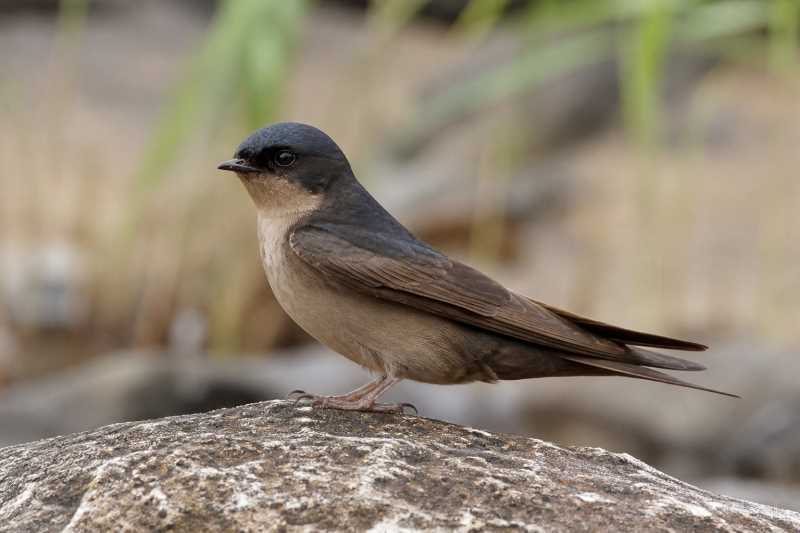
Measuring around 13 centimeters in length, the Brown-bellied Swallow is a small bird with a distinctive appearance. As its name suggests, it possesses a brownish-grey underbelly that complements its equally muted upper parts, which range from dark bluish to blackish hues. The swallow’s plumage is subtly iridescent, catching the sunlight to reveal a glossy sheen that adds an element of elegance to its modest coloration.
One of the most notable features of the Brown-bellied Swallow is its forked tail, a characteristic trait shared by many swallow species. This tail shape aids in agile flight, enabling the bird to maneuver swiftly and adeptly through the air as it hunts for insects. Its wings are long and pointed, further facilitating its acrobatic flight patterns and endurance during foraging expeditions.
Habitat and Distribution
The Brown-bellied Swallow is primarily found in the high-altitude regions of the Andes, spanning countries such as Venezuela, Colombia, Ecuador, Peru, and Bolivia. These birds are well adapted to life at altitudes ranging from 1,500 to 4,000 meters, where they thrive in a variety of habitats, including open grasslands, shrublands, and even human-altered landscapes such as agricultural fields.
The swallow’s preference for high-altitude environments is an adaptation that reduces competition with other avian species that inhabit lower elevations. Its presence in these regions serves as an indicator of the health of high-altitude ecosystems, making it a species of interest for environmental monitoring and conservation efforts.
Behavior and Diet
The Brown-bellied Swallow is a social bird, often seen in small flocks that tirelessly sweep across the sky in search of food. Its diet consists mainly of flying insects, which it catches mid-air with remarkable precision. This insectivorous diet plays a crucial role in controlling insect populations, highlighting the swallow’s ecological importance.
During the breeding season, these swallows become particularly active, engaging in elaborate aerial displays that showcase their agility and coordination. They are known for their cooperative breeding behavior, where multiple individuals assist in the care of the young, ensuring a higher survival rate for offspring. Nests are typically constructed in sheltered locations such as cliffs, rocky crevices, or under bridges, utilizing mud and vegetation to create a secure environment for their eggs.
Conservation Status
Currently, the Brown-bellied Swallow is listed as a species of Least Concern by the International Union for Conservation of Nature (IUCN). However, this status does not imply that the species is free from threats. Habitat destruction, climate change, and human encroachment pose potential risks to their populations.
Conservation efforts are essential to maintain the delicate balance of their high-altitude habitats. Protecting these environments not only benefits the Brown-bellied Swallow but also supports a myriad of other species that share its ecosystem. Research and monitoring are crucial to understanding the long-term impacts of environmental changes and to develop strategies that ensure the survival of this and other avian species.
Conclusion
The Brown-bellied Swallow is a testament to the wonders of avian adaptation and survival. Its ability to thrive in high-altitude environments, coupled with its social behavior and ecological role, makes it a species worthy of admiration and study. As we continue to explore the intricacies of its life, the responsibility to protect its habitat and ensure its future becomes ever more pressing. By doing so, we contribute not only to the preservation of a single species but to the broader health of our planet’s ecosystems.
Understanding and appreciating the Brown-bellied Swallow offers a glimpse into the complex web of life that exists in the world’s mountainous regions. It serves as a reminder of the delicate balance that sustains biodiversity and the critical role we play in its conservation.
Related posts