The Andaman Bulbul: A Jewel of the Archipelago
The Andaman Bulbul, scientifically known as Brachypodius fuscoflavescens, is a captivating species of songbird that has enamored ornithologists and birdwatchers alike. Endemic to the Andaman Islands, this bird is a unique representative of the rich biodiversity found in this remote archipelago. With its subtle yet striking plumage, melodic songs, and vital ecological role, the Andaman Bulbul is a notable species that deserves attention and conservation efforts.
Physical Characteristics
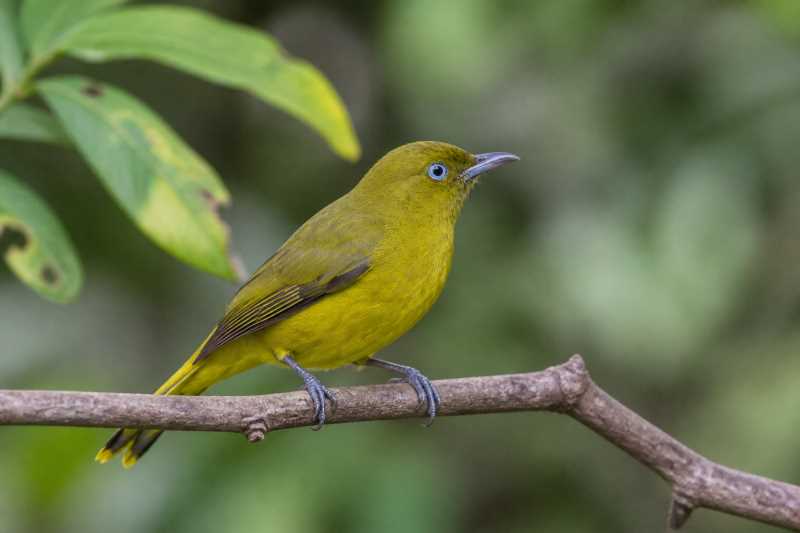
The Andaman Bulbul is a medium-sized bird, measuring approximately 19 centimeters in length. Its plumage is a harmonious blend of olive-brown and yellow, providing it with excellent camouflage in its forested habitat. The upperparts are predominantly olive-brown, while the underparts are a vibrant yellow, a coloration that becomes more pronounced as the bird matures. The bird’s crown is slightly darker, which contrasts subtly with its pale throat and eye-ring, giving it a distinguished appearance.
Habitat and Distribution
As an endemic species, the Andaman Bulbul is restricted to the Andaman Islands, a group of islands in the Bay of Bengal. These islands provide a unique ecosystem, characterized by tropical and subtropical moist broadleaf forests. The bulbul thrives in both primary and secondary forests, as well as in mangrove and coastal areas. It is often found in the mid-canopy and understorey, where it actively forages for food.
Diet and Feeding Behavior
The Andaman Bulbul is primarily frugivorous, feeding on a wide variety of fruits and berries. It plays a crucial role in seed dispersal, which is vital for maintaining the health and regeneration of its forest habitat. In addition to fruits, the bulbul’s diet includes nectar and insects, allowing it to adapt to seasonal changes in food availability. Its feeding behavior is characterized by agility and persistence, as it flits through the foliage in search of sustenance.
Vocalizations and Communication
The vocalizations of the Andaman Bulbul are as remarkable as its plumage. Known for its melodic and varied calls, this bird adds a delightful auditory element to the Andaman forests. Its song consists of a series of whistles and chirps, often delivered in a rhythmic sequence. These vocalizations serve multiple purposes, including territory establishment, mate attraction, and communication with other members of its species.
Breeding and Lifespan
The breeding season of the Andaman Bulbul typically coincides with the onset of the monsoon, from May to September. During this period, the birds construct cup-shaped nests in the forks of trees or shrubs, using twigs, leaves, and other plant materials. The female lays a clutch of two to three eggs, which are incubated for about two weeks. Both parents participate in feeding and caring for the chicks until they fledge, approximately two weeks after hatching.
The lifespan of the Andaman Bulbul in the wild is not well-documented, but like many small songbirds, it is likely to live for several years, with survival largely dependent on environmental conditions and predation.
Conservation Status
Despite its limited range, the Andaman Bulbul is currently classified as a species of "Least Concern" by the International Union for Conservation of Nature (IUCN). However, ongoing threats such as habitat destruction, deforestation, and climate change pose significant challenges to its survival. The Andaman Islands are undergoing rapid development, leading to habitat loss and fragmentation, which could potentially impact the bulbul’s population in the future.
Conservation efforts are crucial to ensure the long-term survival of this species. Protecting and restoring its natural habitat, along with conducting further research to understand its ecology and population dynamics, are essential steps in safeguarding the Andaman Bulbul.
Conclusion
The Andaman Bulbul is a testament to the unique biodiversity of the Andaman Islands. Its presence is an integral part of the ecological tapestry of this region, highlighting the importance of conserving endemic species and their habitats. Through continued research, conservation, and public awareness, we can hope to preserve the enchanting melody and vibrant presence of the Andaman Bulbul for future generations to enjoy.
Related posts