The Enigmatic Lesser Antillean Tanager: A Jewel of the Caribbean
Introduction
The Lesser Antillean Tanager, scientifically known as Stilpnia cucullata, is a captivating bird species native to the lush tropical environments of the Lesser Antilles. Known for its vibrant plumage and distinctive vocalizations, this bird is a true marvel of Caribbean biodiversity. This article delves into the fascinating world of the Lesser Antillean Tanager, exploring its habitat, behavior, conservation status, and the role it plays in maintaining the ecological balance of its environment.
Taxonomy and Classification
The Lesser Antillean Tanager belongs to the family Thraupidae, which is part of the order Passeriformes. The Thraupidae family, commonly referred to as tanagers, is a diverse group of small to medium-sized birds, primarily found in the New World. Within this family, the genus Stilpnia includes a variety of tanagers known for their colorful feathers and dynamic behaviors.
Habitat and Distribution
This species is endemic to the Lesser Antilles, a group of islands in the Caribbean Sea. The Lesser Antillean Tanager is typically found in humid montane forests, where it thrives in the dense foliage and diverse plant life. These birds are particularly abundant in forested areas of Dominica and Saint Lucia, although they can also be spotted on other islands in the region.
The preferred habitat of the Lesser Antillean Tanager includes mature forests, secondary growth, and sometimes plantations, where it can find ample food resources and nesting sites. The availability of such habitats is crucial for their survival, as deforestation and habitat fragmentation pose significant threats to their populations.
Physical Characteristics
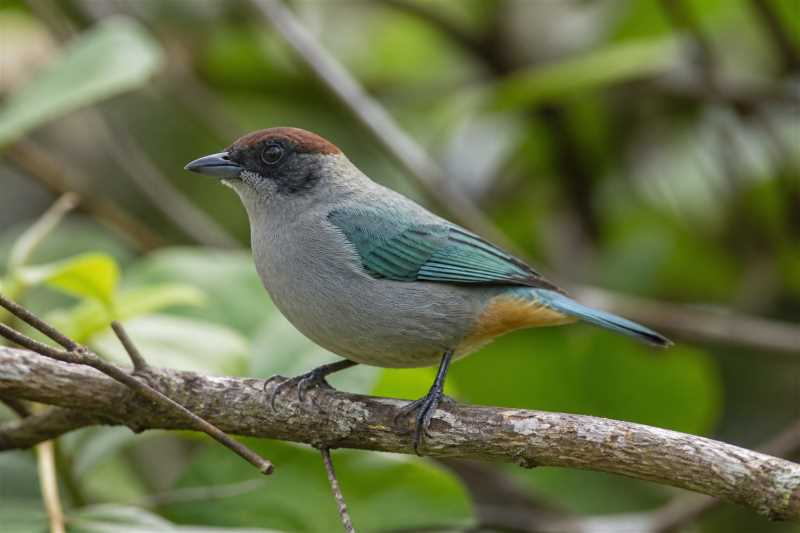
The Lesser Antillean Tanager is a medium-sized bird, measuring approximately 14 to 15 centimeters in length. Its plumage is a striking combination of colors, with males typically exhibiting a vibrant turquoise-blue body, black wings and tail, and a distinctive black hood covering the head. Females, on the other hand, are generally less colorful, with more subdued greenish-blue tones and a less pronounced hood.
The bird’s bill is short and conical, well-adapted for its diet of fruits and insects. Its strong legs and feet enable it to navigate the dense foliage of its forest habitat with ease.
Behavior and Ecology
The Lesser Antillean Tanager is known for its energetic and social behavior. It is often observed foraging in small groups or mixed-species flocks, a behavior that enhances its ability to find food and avoid predation. The diet of the Lesser Antillean Tanager primarily consists of fruits, berries, and insects, making it an important seed disperser and pest controller in its ecosystem.
These birds are also known for their melodious vocalizations, which play a crucial role in communication during the breeding season. Males often sing complex songs to attract mates and establish territories. The breeding season generally coincides with periods of abundant food supply, ensuring the successful rearing of chicks.
Reproduction and Lifespan
The breeding habits of the Lesser Antillean Tanager are influenced by the availability of food and suitable nesting sites. The nesting season typically occurs between March and August, although this can vary depending on local environmental conditions. The female is responsible for building the nest, which is usually situated in a tree or shrub, providing protection from predators.
A typical clutch consists of two to three eggs, which are incubated primarily by the female for about two weeks. Once hatched, both parents participate in feeding and caring for the chicks until they fledge, usually after about three weeks.
The lifespan of the Lesser Antillean Tanager in the wild is not well-documented, but it is believed to be around 5 to 7 years, similar to other small passerine birds.
Conservation Status
The Lesser Antillean Tanager is currently classified as Least Concern by the International Union for Conservation of Nature (IUCN). However, its population is facing pressures from habitat destruction, primarily due to deforestation for agriculture and urban development. Conservation efforts are crucial to preserving the natural habitats of these birds and ensuring their long-term survival.
Protected areas and national parks in the Lesser Antilles play a vital role in providing safe havens for the Lesser Antillean Tanager. Continued research and monitoring are essential for understanding population trends and implementing effective conservation strategies.
Cultural and Ecological Significance
The Lesser Antillean Tanager holds cultural significance for the people of the Caribbean, often featured in local folklore and art. Its vibrant colors and lively presence make it a favorite among birdwatchers and nature enthusiasts visiting the region.
Ecologically, the Lesser Antillean Tanager contributes to the health and diversity of its habitat. As a seed disperser, it aids in the regeneration of forest areas, while its insectivorous diet helps control insect populations. The presence of this bird is an indicator of a healthy and balanced ecosystem.
Conclusion
The Lesser Antillean Tanager is a remarkable example of the unique biodiversity found in the Caribbean. Its vibrant colors, dynamic behaviors, and ecological contributions make it an essential part of the tropical forest communities in which it resides. Protecting its habitat and ensuring sustainable conservation practices are vital for the continued survival of this beautiful bird species. As we deepen our understanding of the Lesser Antillean Tanager, we are reminded of the intricate connections that bind all living organisms and the importance of preserving our planet’s natural heritage.
Related posts