Introduction
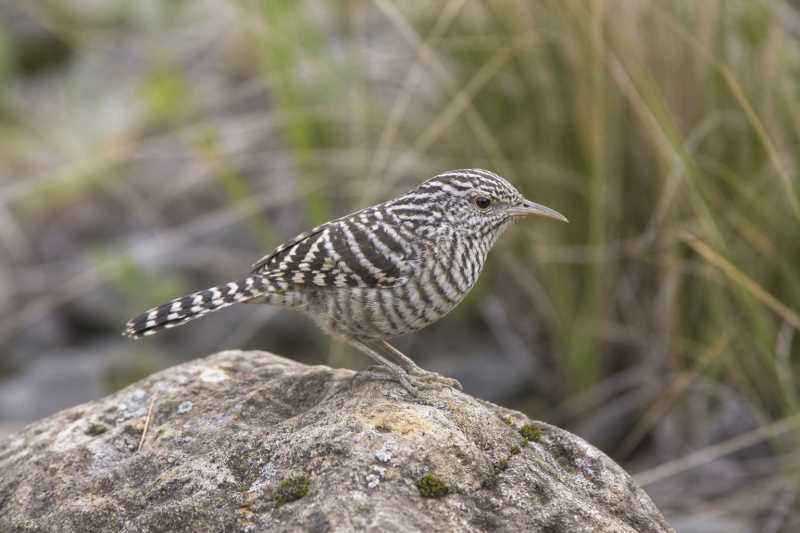
The Fasciated Wren (Campylorhynchus fasciatus) is a captivating bird species that inhabits the dry forests and shrublands of western South America. Known for its distinctive vocalizations and fascinating social behavior, this species plays a significant role in the ecosystems it inhabits. This article explores the taxonomy, physical characteristics, habitat, behavior, diet, and conservation status of the Fasciated Wren, providing a comprehensive overview of this remarkable avian species.
Taxonomy and Classification
The Fasciated Wren belongs to the family Troglodytidae, which comprises small to medium-sized passerine birds known as wrens. Within this family, the species is classified under the genus Campylorhynchus. First described by the German ornithologist Jean Cabanis in 1847, the scientific name ‘Campylorhynchus fasciatus’ reflects its distinct morphological features. The genus name ‘Campylorhynchus’ is derived from Greek, meaning ‘curved beak,’ while ‘fasciatus’ refers to the banded or striped pattern on its plumage.
Physical Characteristics
The Fasciated Wren is a medium-sized wren with an average length of about 18 to 20 centimeters and a weight ranging between 30 to 40 grams. Its plumage is predominantly brown with distinctive white and black barring on the back and wings, which gives it the ‘fasciated’ or banded appearance. The underparts are generally lighter, often displaying a creamy or buff tone. The bird’s head is marked with a bold white supercilium (eyebrow line) above the eye, which contrasts with its dark eye line. These striking features make the Fasciated Wren easily identifiable in its natural habitat.
Habitat and Distribution
Fasciated Wrens are primarily found in the dry forests and shrublands of western Peru and Ecuador, with their range extending into parts of southwestern Colombia. They inhabit elevations from sea level up to 2,000 meters, often favoring arid or semi-arid environments with sparse vegetation. These birds are well-adapted to their habitats, often seen foraging among thorny bushes and scrublands. The presence of these birds often indicates healthy dry forest ecosystems, as they contribute to seed dispersal and control of insect populations.
Behavior and Social Structure
One of the most intriguing aspects of the Fasciated Wren is its complex social structure. These birds are known for their cooperative breeding behavior, where multiple individuals assist in raising the young. This social system involves a dominant breeding pair and several helper individuals, often offspring from previous broods. This cooperative strategy increases the survival rate of the chicks and enhances the overall success of the group.
Fasciated Wrens are also known for their vocal prowess. They produce a wide range of calls and songs, which are used for communication within the group and for territorial defense. Each group has its own unique set of vocalizations, which helps maintain group cohesion and identify intruders. The complexity of their vocal repertoire is a testament to their advanced social interactions.
Diet and Foraging
The diet of the Fasciated Wren primarily consists of insects and other small invertebrates. They forage actively among the foliage, using their curved bills to probe into crevices and under bark in search of prey. Their feeding strategy is opportunistic, allowing them to exploit a variety of food resources available in their habitat. In addition to insects, they may also consume fruits and seeds, particularly during the dry season when insect abundance is low.
Breeding and Reproduction
Breeding in Fasciated Wrens is closely tied to the availability of resources, and it typically occurs during the rainy season when food is abundant. The nests are usually constructed in thorny bushes or cacti, providing protection from predators. These dome-shaped nests are built using twigs, grasses, and other plant materials, with a side entrance for access.
The clutch size typically ranges from 2 to 4 eggs, which are incubated primarily by the female. The incubation period lasts about 14 to 16 days, after which the chicks hatch. The young are cared for by the entire group, with all members contributing to feeding and defending the nestlings. This cooperative breeding system enhances the survival prospects of the young and ensures the continuity of the group.
Conservation Status
The Fasciated Wren is currently listed as "Least Concern" by the International Union for Conservation of Nature (IUCN). Although the population appears stable, habitat destruction due to agricultural expansion and urbanization poses potential threats to their habitats. Conservation efforts focused on preserving dry forest ecosystems are crucial for maintaining healthy populations of this species.
Conclusion
The Fasciated Wren is a remarkable bird, not only for its striking appearance but also for its complex social behavior and adaptability to challenging environments. Understanding the ecology and behavior of this species provides valuable insights into the dynamics of dry forest ecosystems in South America. Continued research and conservation efforts are essential to ensure that this unique bird continues to thrive in its natural habitat, contributing to the biodiversity and ecological balance of the region.
Related posts