The Pemba White-eye: A Jewel of the Archipelago
Pemba Island, part of the Zanzibar Archipelago off the coast of Tanzania, is home to a unique avian species known as the Pemba White-eye (Zosterops vaughani). This small bird is a member of the Zosteropidae family, which is renowned for its adaptability and diversity across various islands and regions in the Old World. Despite its diminutive size, the Pemba White-eye plays a critical role in its ecosystem and serves as an indicator of the environmental health of its habitat.
Taxonomy and Description
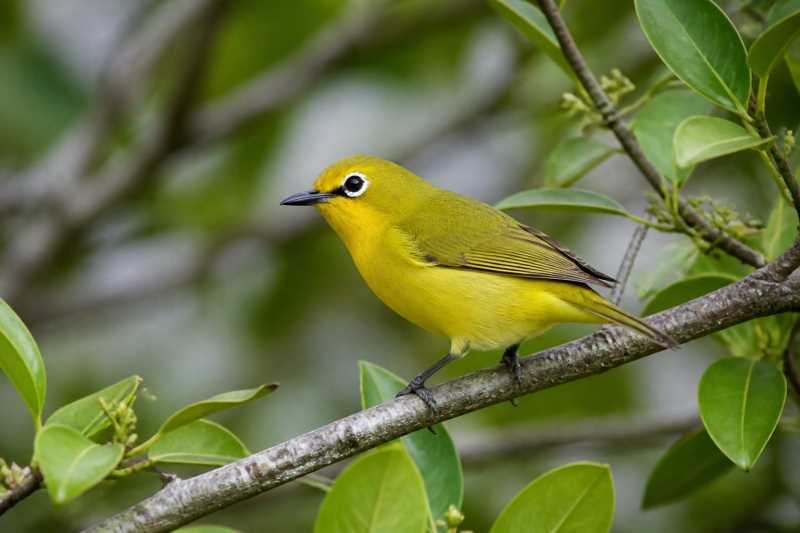
The Pemba White-eye was first described in 1928 by the ornithologist Herbert Girton Deignan. Its scientific name, Zosterops vaughani, honors the person responsible for its discovery. Morphologically, the Pemba White-eye is a small passerine bird, approximately 11 cm in length. It is characterized by its olive-green plumage, a distinctive white ring around its eyes, and a yellow throat and underparts. The bird’s bill is slender and slightly curved, adapted for feeding on a variety of insects and fruits.
Habitat and Distribution
As its name suggests, the Pemba White-eye is endemic to Pemba Island, making it one of the island’s unique avian treasures. The island’s lush, subtropical forests provide the perfect habitat for this species, offering ample food sources and nesting sites. These birds are typically found in forest edges, secondary growth, and sometimes even in well-vegetated gardens.
Pemba’s diverse flora, including mangroves, hardwood trees, and fruit-bearing shrubs, supports a rich biodiversity, with the Pemba White-eye being an integral part of this ecosystem. The bird’s presence is most often noted by its lively and melodious song, which can be heard across the island’s woodlands.
Behavior and Ecology
The Pemba White-eye is a highly social and active bird, often seen flitting in small flocks as they forage for food. Their diet primarily consists of insects, but they are also known to consume fruits and nectar. This diet plays a role in seed dispersal and pollination, making them crucial contributors to the ecological sustainability of their environment.
Breeding typically occurs during the rainy season when food is abundant. The nests are carefully constructed in the forks of trees using fine twigs, grass, and spider webs. Each clutch usually contains two to three eggs, which both parents help to incubate. The cooperative nature of the Pemba White-eye extends to communal care of the young, with flock members often assisting in feeding and protecting the chicks.
Conservation Status and Threats
The Pemba White-eye is currently classified as Near Threatened on the IUCN Red List. While the species is not yet endangered, its limited range makes it vulnerable to habitat loss and environmental changes. Deforestation and land conversion for agriculture are significant threats to the bird’s natural habitat. Additionally, the introduction of non-native species poses a risk of competition and predation.
Conservation efforts are focused on habitat preservation and restoration. Local and international organizations are working to protect the remaining forest areas on Pemba Island and promote sustainable agricultural practices. Community awareness and involvement are also crucial, as the local population plays a key role in conservation initiatives.
The Role of the Pemba White-eye in Cultural and Scientific Research
Apart from its ecological significance, the Pemba White-eye holds cultural importance for the local communities, often featured in folklore and traditional stories. Its vibrant presence is seen as a symbol of the island’s natural beauty and ecological wealth.
From a scientific perspective, the Pemba White-eye offers insights into the evolutionary processes of island biogeography and speciation. As a member of the Zosterops genus, which is known for rapid diversification and adaptation, studying this bird can provide valuable information on how species evolve in isolated environments.
Conclusion
The Pemba White-eye is more than just a small bird endemic to a single island; it is a critical component of Pemba Island’s natural heritage. Protecting this species requires a concerted effort from conservationists, local communities, and governments to ensure that Pemba remains a thriving habitat for the White-eye and countless other species. By preserving this jewel of the archipelago, we maintain the ecological balance and natural beauty that Pemba Island has to offer.
Related posts