The Dusky Crag Martin: A Study of Adaptability and Grace
The Dusky Crag Martin (Ptyonoprogne concolor) is a fascinating bird species that has captured the attention of ornithologists and bird enthusiasts alike. Known for its adaptability and unique nesting habits, this small passerine bird is a member of the swallow family, Hirundinidae. In this article, we delve into the various aspects of the Dusky Crag Martin’s life, including its habitat, behavior, and the challenges it faces in the wild.
Physical Characteristics
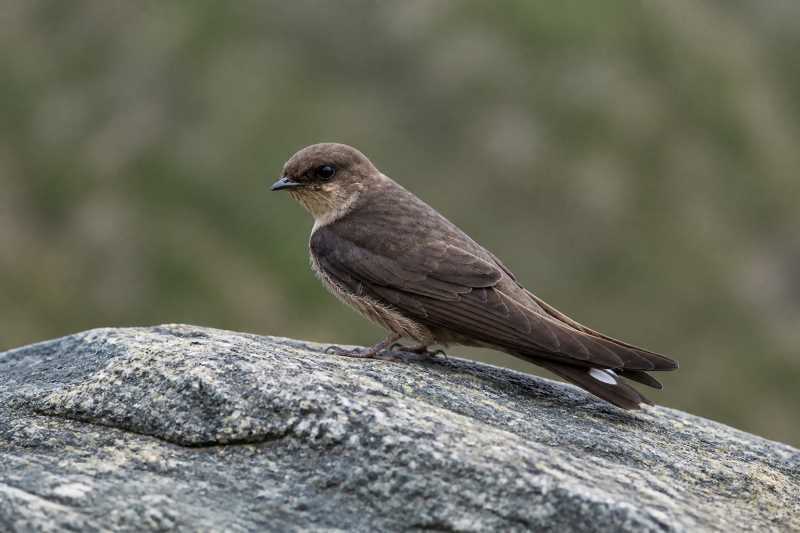
The Dusky Crag Martin is a relatively small bird, measuring about 13 cm in length with a wingspan of 28 to 30 cm. Its plumage is predominantly dark brown, giving it a dusky appearance that aids in camouflage against rocky terrains. The underparts are slightly paler, and it has a distinctive square tail with white spots that are visible during flight. These features not only contribute to its aesthetic appeal but also play a crucial role in its survival.
Habitat and Distribution
This species is predominantly found in the Indian subcontinent, with its range extending into parts of the Middle East and Southeast Asia. The Dusky Crag Martin prefers rocky cliffs, gorges, and escarpments, where it can nest and roost in relative safety. Its adaptability allows it to thrive in a variety of environments, from arid regions to humid tropical areas.
Interestingly, the Dusky Crag Martin has also been observed making use of man-made structures, such as bridges and buildings, for nesting. This behavior highlights the bird’s ability to adapt to changing landscapes, a trait that is becoming increasingly important as natural habitats are altered by human activities.
Behavior and Diet
Dusky Crag Martins are known for their agile flight and are often seen swooping and gliding gracefully in search of food. Their diet primarily consists of flying insects, which they catch mid-air with remarkable precision. This feeding strategy not only requires exceptional aerial skills but also plays a vital role in controlling insect populations, making them an important part of the ecosystem.
These birds are typically monogamous, forming long-lasting pair bonds. During the breeding season, which varies depending on the region, both parents are involved in nest building, incubation, and feeding of the chicks. The nests are usually constructed from mud pellets, meticulously shaped and attached to vertical surfaces such as cliffs or walls.
Breeding and Lifespan
The breeding season for the Dusky Crag Martin varies with geography, generally aligning with the availability of food resources. In India, for example, breeding typically occurs from February to October. The species usually raises two broods per season, with clutch sizes ranging from three to five eggs.
The incubation period lasts about two weeks, with both parents taking turns to keep the eggs warm. After hatching, the chicks are altricial, meaning they are born blind and helpless. However, they grow rapidly and fledge within 20 to 24 days, after which they become independent but may remain close to their parents for some time.
Conservation Status and Threats
Currently, the Dusky Crag Martin is listed as a species of Least Concern by the International Union for Conservation of Nature (IUCN). This status is attributed to its wide distribution and stable population numbers. However, like many other species, it faces threats from habitat destruction and climate change.
Urbanization and the expansion of agricultural lands pose significant threats to their natural habitats. Although the species has shown an ability to adapt to human-altered landscapes, continued habitat loss could impact their populations in the long term. Additionally, climate change may alter the availability of insect prey, further challenging their survival.
Conclusion
The Dusky Crag Martin is a remarkable example of nature’s adaptability and resilience. Its ability to thrive in diverse environments, coupled with its important role in ecosystems as an insectivore, underscores its ecological significance. While currently not at immediate risk, ongoing conservation efforts and habitat preservation will be crucial in ensuring that this agile bird continues to grace our skies for generations to come.
Understanding and appreciating the Dusky Crag Martin not only enriches our knowledge of avian diversity but also highlights the intricate balance of natural ecosystems and the importance of preserving them in the face of ongoing environmental challenges.
Related posts