The Enigmatic Minahasa Hooded Pitta: A Jewel of Indonesian Avifauna
The Minahasa Hooded Pitta (Pitta forsteni) is a captivating bird species that captures the imagination of ornithologists and birdwatchers alike. Known for its vibrant plumage and elusive nature, this avian gem is native to the lush rainforests of Indonesia. In this article, we delve into the intriguing world of the Minahasa Hooded Pitta, exploring its habitat, behavior, conservation status, and the challenges it faces in the wild.
Habitat and Distribution
The Minahasa Hooded Pitta is predominantly found in the tropical lowland forests of Sulawesi, an island known for its rich biodiversity and unique ecosystems. These birds prefer dense, humid environments where they can forage on the forest floor for insects and small invertebrates. The region’s complex terrain, with its mix of mountains, valleys, and rivers, provides an ideal habitat for the Minahasa Hooded Pitta to thrive.
Sulawesi is part of the Wallacea, a biogeographical designation that includes several islands in central Indonesia. This area is characterized by a mix of Asian and Australasian species, making it a hotspot for biodiversity. The Minahasa Hooded Pitta is one of the many endemic species found here, adding to the region’s ecological wealth.
Physical Characteristics
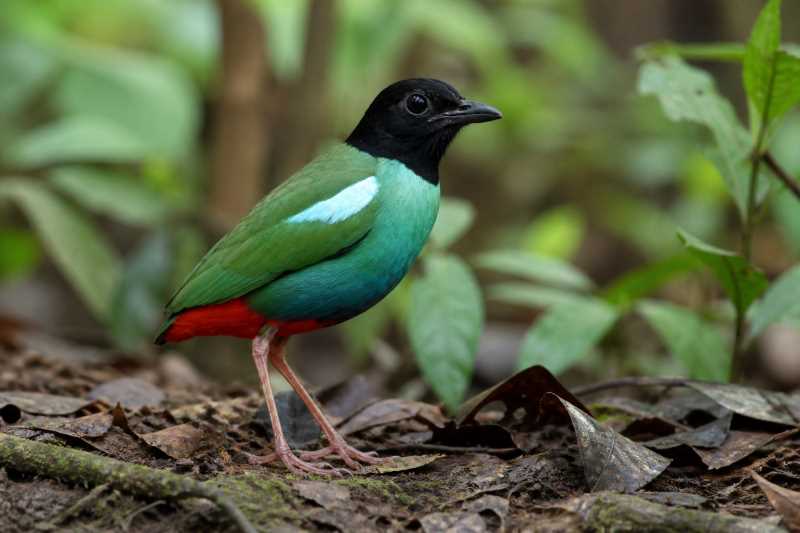
The Minahasa Hooded Pitta is a medium-sized bird, measuring approximately 18 to 20 centimeters in length. Its striking appearance is marked by a deep black head, emerald green body, and a distinctive red vent. This vivid coloration not only makes it a favorite among birdwatchers but also serves as a form of camouflage among the forest’s shadows and foliage.
Despite its vibrant colors, the Minahasa Hooded Pitta can be surprisingly difficult to spot in the wild. Its quiet, secretive nature and preference for the forest floor mean that it is often heard before it is seen. The bird’s call is a series of melodious whistles that echo through its forest habitat, making it an auditory delight for those fortunate enough to encounter it.
Behavior and Diet
The behavior of the Minahasa Hooded Pitta is as fascinating as its appearance. These birds are primarily ground-dwellers, spending much of their time foraging for food among the leaf litter. Their diet consists mainly of insects, larvae, and small invertebrates, which they skillfully extract from the soil and undergrowth with their strong beaks.
During the breeding season, which occurs in the wet months, Minahasa Hooded Pittas build nests on the ground using leaves, twigs, and other forest debris. The female lays a clutch of 2 to 4 eggs, which both parents take turns incubating. This cooperative breeding behavior is crucial for the survival of their offspring in the challenging forest environment.
Conservation Status and Challenges
The Minahasa Hooded Pitta is currently listed as Near Threatened on the IUCN Red List of Threatened Species. The primary threat to this species is habitat loss due to deforestation and land conversion for agriculture and human settlement. Sulawesi’s forests are under increasing pressure from logging and mining activities, which fragment the bird’s habitat and make survival difficult.
Conservation efforts are underway to protect the Minahasa Hooded Pitta and its habitat. These include establishing protected areas and promoting sustainable land-use practices that balance development with ecological preservation. Additionally, raising awareness among local communities about the importance of biodiversity and the benefits of conservation can contribute significantly to the species’ long-term survival.
Conclusion
The Minahasa Hooded Pitta is a remarkable bird that embodies the beauty and complexity of Indonesia’s natural heritage. Its vibrant colors and melodious calls make it a symbol of the region’s rich biodiversity. However, like many other species, it faces significant threats that could jeopardize its future.
Ensuring the survival of the Minahasa Hooded Pitta requires concerted efforts from conservationists, local communities, and governments. By protecting its habitat and addressing the challenges it faces, we can help preserve this irreplaceable gem for future generations to admire and cherish.
In summary, the Minahasa Hooded Pitta is not only an important part of Indonesia’s ecosystem but also a reminder of the delicate balance that sustains our planet’s diverse wildlife. It is up to us to ensure that this balance is maintained and that the Minahasa Hooded Pitta continues to thrive in its natural habitat.
Related posts