The Enchanting World of Gould’s Toucanet (Selenidera gouldii)
The vibrant and charismatic Gould’s Toucanet (Selenidera gouldii) is a remarkable species that captivates the imagination of ornithologists and bird enthusiasts alike. This article delves into the fascinating characteristics, habitat, behavior, and conservation status of this intriguing bird native to the lush rainforests of South America, offering insights into its ecological significance and the challenges it faces in an ever-changing environment.
A Glimpse into the Gould’s Toucanet
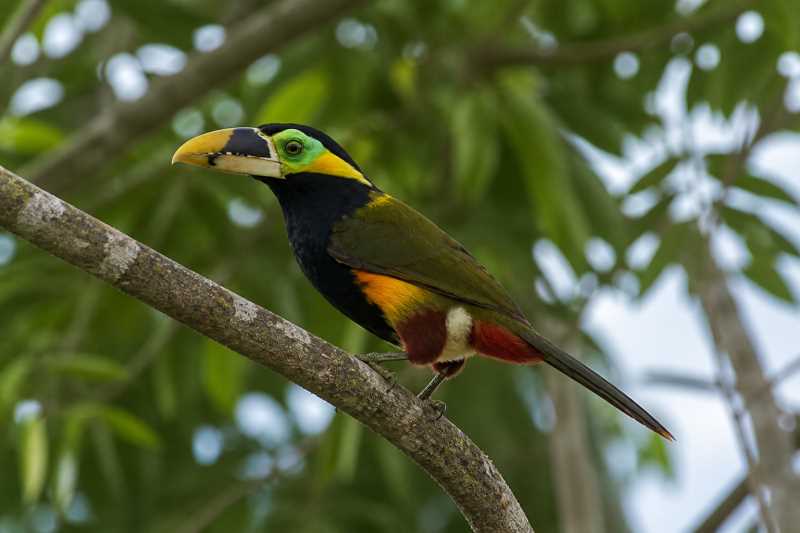
Gould’s Toucanet, named in honor of the renowned English ornithologist John Gould, is a small yet striking bird belonging to the toucan family, Ramphastidae. Measuring approximately 30 to 35 cm in length, this toucanet is distinguished by its vibrant plumage, which features a spectrum of colors. Its body is primarily green, with a striking yellow-orange breast and a vivid blue patch around its eyes. The beak, a hallmark of the toucan family, is a remarkable combination of black and yellow hues, providing a visual spectacle that is unmistakable in the dense foliage of its habitat.
Habitat and Distribution
Gould’s Toucanet inhabits the tropical rainforests of the Amazon Basin, particularly in regions of Brazil, Peru, and Bolivia. These birds prefer the dense canopy and understory layers of the forest, where they find an abundance of fruiting trees, their primary food source. The rich biodiversity of these rainforests provides an ideal environment for the toucanet to thrive, offering ample opportunities for feeding, nesting, and social interaction.
Although they are primarily arboreal, Gould’s Toucanets may occasionally venture to lower levels of the forest in search of food. Their strong, zygodactylous feet and agile movements make them adept climbers, allowing them to navigate the complex forest structure with ease.
Dietary Habits and Feeding Behavior
The diet of Gould’s Toucanet is predominantly frugivorous, relying heavily on a variety of fruits and berries found in the rainforest. They play a crucial role in seed dispersal, as they consume fruits whole and later excrete the seeds, aiding in the propagation of numerous plant species. This mutualistic relationship underscores the ecological importance of the toucanet within its habitat.
In addition to fruits, Gould’s Toucanets may also consume insects, small reptiles, and eggs, providing them with essential proteins and nutrients. This opportunistic feeding behavior allows them to adapt to seasonal variations in food availability, ensuring their survival in the dynamic rainforest ecosystem.
Social Structure and Reproduction
Gould’s Toucanets are social creatures, often observed in pairs or small family groups. They communicate through a series of vocalizations, including calls and croaks, which serve to establish territories, attract mates, and maintain social bonds within the group. Their cooperative nature is evident during feeding and nesting activities, where pairs work together to secure resources and care for their young.
Breeding typically occurs during the rainy season when food is abundant. The female lays 2-4 eggs in a tree cavity, which is either naturally occurring or excavated by the birds themselves. Both parents share the responsibility of incubating the eggs and feeding the chicks once they hatch. The young toucanets fledge after approximately six weeks, although they may remain with their parents for some time before becoming fully independent.
Conservation Status and Threats
While Gould’s Toucanet is currently classified as a species of Least Concern by the International Union for Conservation of Nature (IUCN), it faces several threats that could impact its population in the future. Deforestation poses the most significant threat, as the conversion of rainforest to agricultural land reduces available habitat and food sources. Additionally, climate change and illegal pet trade may further exacerbate these challenges, necessitating proactive conservation measures.
Efforts to preserve the rainforest ecosystem, such as implementing sustainable land-use practices and establishing protected areas, are crucial for the long-term survival of Gould’s Toucanet and countless other species that depend on this habitat. Public awareness and education initiatives can also play a vital role in promoting the conservation of these remarkable birds and their environments.
Conclusion
The Gould’s Toucanet is a symbol of the vibrant life found within the tropical rainforests of South America. Its striking appearance, ecological importance, and social behavior make it a fascinating subject of study and admiration. As we continue to understand and appreciate the complexities of these ecosystems, it is imperative to support conservation efforts that ensure the survival of Gould’s Toucanet and the rich biodiversity it represents.
By fostering a greater connection to the natural world and promoting sustainable practices, we can help safeguard the future of Gould’s Toucanet and the myriad of life that shares its home.
Related posts