Eastern Arc Wood Mouse (Hylomyscus arcimontensis): A Comprehensive Guide
Introduction
The Eastern Arc Wood Mouse, scientifically known as Hylomyscus arcimontensis, is a small mammal species that plays a vital role in the ecosystems of the Eastern Arc Mountains in East Africa. This unique rodent is part of the Muridae family and is known for its adaptability to montane forest habitats. Despite its ecological importance, the Eastern Arc Wood Mouse is not widely known, making it a subject of interest for researchers and wildlife enthusiasts alike.
Physical Description
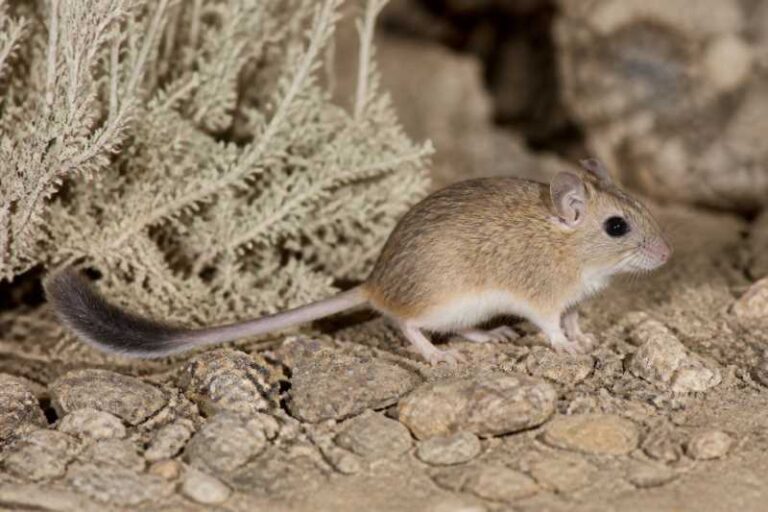
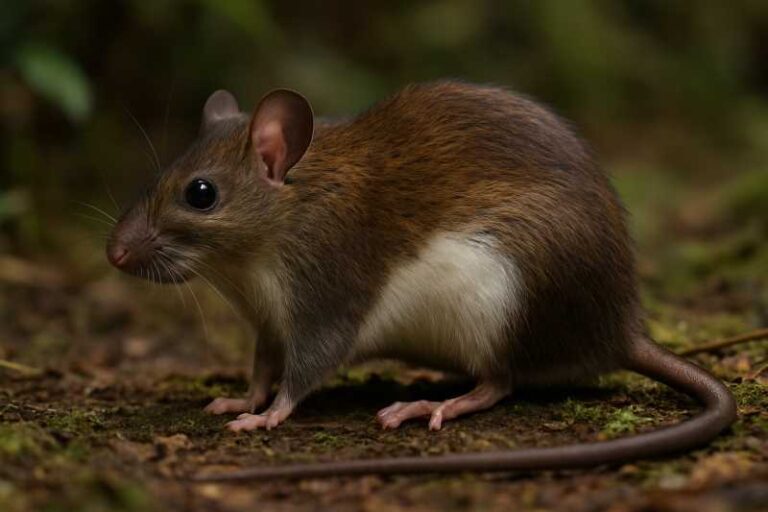
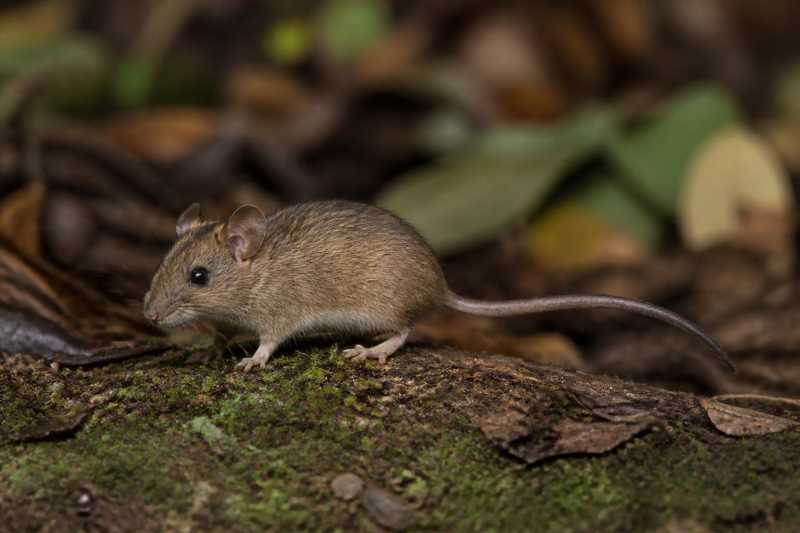
The Eastern Arc Wood Mouse is a small rodent, typically weighing between 15 to 25 grams. It has a soft, dense fur coat that is predominantly brown on the dorsal side, with a lighter, often white or cream-colored ventral side. This coloration provides excellent camouflage against the forest floor. The mouse has large, rounded ears and a relatively long tail, which aids in balance and agility. Its eyes are prominent, suggesting nocturnal habits.
Range and Habitat
The Eastern Arc Wood Mouse is endemic to the Eastern Arc Mountains, a chain of mountain ranges in Tanzania and Kenya. These mountains are known for their high biodiversity and are considered one of the world’s biodiversity hotspots. The mouse typically inhabits montane forests, thriving in the dense undergrowth and leaf litter that provide both food and shelter. They are often found at elevations ranging from 1,200 to 2,500 meters above sea level, where the climate is cooler and more humid than the surrounding lowlands.
Behavior and Diet
The Eastern Arc Wood Mouse is primarily nocturnal, utilizing its keen sense of hearing and smell to navigate and forage in the dark. It is an omnivorous species, feeding on a varied diet that includes seeds, fruits, insects, and small invertebrates. This diet helps to control insect populations and facilitates seed dispersal, contributing to forest regeneration.
In terms of social behavior, these mice are generally solitary, except during the breeding season when they may be observed in pairs or small family groups. They communicate through a range of vocalizations and scent markings, which help establish territories and attract mates.
Identification Tips (Field Recognition Cues)
When trying to identify the Eastern Arc Wood Mouse in its natural habitat, consider the following cues:
- Size and Shape: Look for a small, compact body with a long tail, which is characteristic of the species.
- Coloration: Note the brownish upper parts and lighter underparts, which help distinguish it from other small rodents.
- Behavior: Observe its nocturnal activity patterns and tendency to forage in leaf litter.
- Habitat: Ensure you are in the appropriate montane forest environment within the Eastern Arc Mountains.
Conservation Status (with Threats and Protections)
The conservation status of the Eastern Arc Wood Mouse is currently classified as Data Deficient by the International Union for Conservation of Nature (IUCN). This classification highlights a lack of comprehensive data regarding the species’ population trends and distribution. However, the primary threats to its habitat include deforestation, agricultural expansion, and habitat fragmentation, which are prevalent in the Eastern Arc Mountains.
Efforts to protect the Eastern Arc Wood Mouse involve habitat conservation and restoration initiatives. Protected areas within the Eastern Arc Mountains, such as national parks and nature reserves, play a crucial role in preserving the natural habitat of this species. Conservationists also emphasize the importance of sustainable agricultural practices and reforestation projects to mitigate habitat loss.
Frequently Asked Questions
What is the habitat of the Eastern Arc Wood Mouse?
The Eastern Arc Wood Mouse is found in montane forests of the Eastern Arc Mountains in Tanzania and Kenya. These forests provide the necessary cover and food resources for the species.
How can you identify an Eastern Arc Wood Mouse?
To identify an Eastern Arc Wood Mouse, look for a small rodent with brownish dorsal fur, lighter ventral fur, large ears, and a long tail, typically found in montane forest environments.
What is the diet of the Eastern Arc Wood Mouse?
This species is omnivorous, feeding on seeds, fruits, insects, and small invertebrates. Its diet plays a role in controlling insect populations and dispersing seeds.
Why is the Eastern Arc Wood Mouse important to its ecosystem?
The Eastern Arc Wood Mouse contributes to its ecosystem by controlling insect populations and facilitating seed dispersal, which aids in forest regeneration and biodiversity maintenance.
What are the main threats to the Eastern Arc Wood Mouse?
The main threats include deforestation, agricultural expansion, and habitat fragmentation in the Eastern Arc Mountains. Conservation efforts focus on habitat protection and sustainable land-use practices.
Related posts