Rufous-lored Kingfisher: A Jewel of the Philippine Forests
The Rufous-lored Kingfisher (Todiramphus winchelli) is a captivating avian species native to the lush forests of the Philippines. Known for its striking plumage and distinctive calls, this bird is a remarkable representative of the region’s rich biodiversity. Understanding the Rufous-lored Kingfisher’s habitat, behavior, and conservation status provides valuable insights into the ecological tapestry of the Philippines and underscores the importance of preserving this unique species.
Habitat and Range
The Rufous-lored Kingfisher is endemic to the Philippines, specifically found in the lowland and montane forests of the islands of Mindanao and Basilan. These birds favor densely wooded areas, often inhabiting the understory and middle canopy layers of tropical and subtropical forests. The Rufous-lored Kingfisher’s preference for primary and secondary forests highlights the critical need for conservation efforts in these regions, as deforestation poses a significant threat to their habitat.
Physical Characteristics
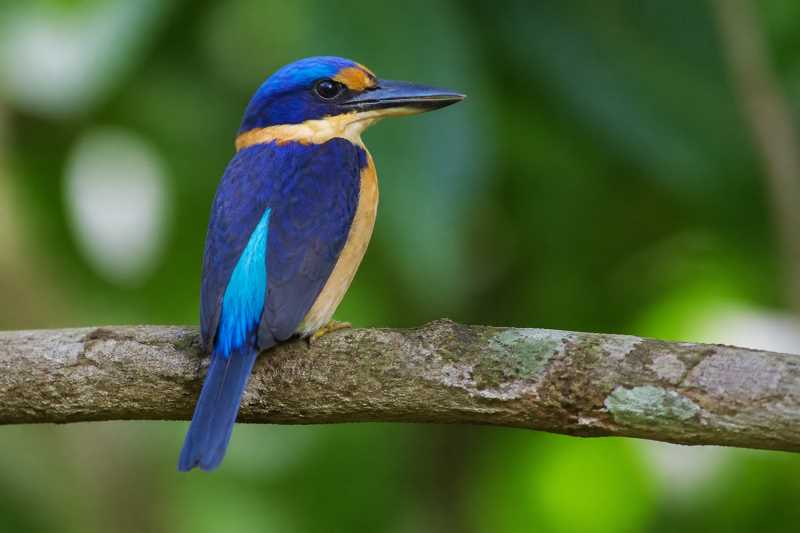
One of the most striking features of the Rufous-lored Kingfisher is its vivid plumage. The bird boasts a bright blue back and wings, contrasted by a rich rufous coloration around its lore— the area between the eye and bill— which gives the species its name. The underparts are generally white or pale buff, providing a stark contrast to the more vibrant colors on its back and head. This striking appearance not only makes the Rufous-lored Kingfisher a delight for birdwatchers but also plays a role in its ecological interactions, such as mating displays and territorial behaviors.
Behavior and Diet
The Rufous-lored Kingfisher is primarily a solitary bird, often found perched quietly in the forest understory. Its diet consists mainly of insects, small reptiles, and occasionally small fish, which it captures with swift and precise strikes. The bird’s feeding strategy involves perching silently before darting out to snatch prey, a behavior typical of kingfishers.
Vocalizations are an essential aspect of the Rufous-lored Kingfisher’s behavior. The bird is known for its distinctive series of calls, which it uses to communicate with potential mates and establish territorial boundaries. These calls can often be heard echoing through the forest, signaling the presence of this elusive bird.
Reproductive Behavior
Breeding habits of the Rufous-lored Kingfisher are still not thoroughly documented, but like many kingfishers, they are believed to nest in tree cavities or earthen banks. Both parents likely play a role in incubating the eggs and feeding the chicks, although more research is needed to fully understand their reproductive strategies. The limited information on their breeding patterns underscores the need for further study to aid in conservation efforts.
Conservation Status
The Rufous-lored Kingfisher is currently listed as Near Threatened by the International Union for Conservation of Nature (IUCN). The primary threats to this species include habitat loss due to logging and agricultural expansion, which have led to significant declines in forested areas across its range. Additionally, the impact of climate change on these forests could exacerbate habitat loss, further threatening the species.
Conservation efforts are critical to ensure the survival of the Rufous-lored Kingfisher. Protecting and restoring their natural habitat through sustainable forest management and establishing protected areas are vital steps in preserving this species. Furthermore, raising awareness and involving local communities in conservation initiatives can help mitigate the impact of human activities on these birds and their ecosystems.
The Role of Citizen Science and Ecotourism
Citizen science initiatives and ecotourism can play significant roles in the conservation of the Rufous-lored Kingfisher. By engaging local and international birdwatchers in monitoring and reporting sightings, scientists can gather valuable data on the population and distribution of this elusive bird. Ecotourism, when conducted sustainably, can provide economic incentives for local communities to preserve forests and protect wildlife habitats.
Conclusion
The Rufous-lored Kingfisher is a vibrant symbol of the Philippine forests’ biodiversity, offering a glimpse into the ecological richness of this region. Protecting this bird requires concerted efforts from conservationists, local communities, and policymakers to address the threats it faces. By preserving the habitats of the Rufous-lored Kingfisher and other endemic species, we can ensure that the natural beauty and ecological balance of the Philippines endure for future generations.
Related posts