Introduction
The Australian Snubfin Dolphin (Orcaella heinsohni) is one of the marine world’s most intriguing yet lesser-known species. Discovered as a distinct species in 2005, the Snubfin Dolphin is native to the northern coastal waters of Australia. Its unique physical characteristics, behavior, and conservation status make it a subject of significant interest for marine biologists and conservationists alike. This article delves into the fascinating world of the Australian Snubfin Dolphin, providing a comprehensive overview of this remarkable species.
Physical Description
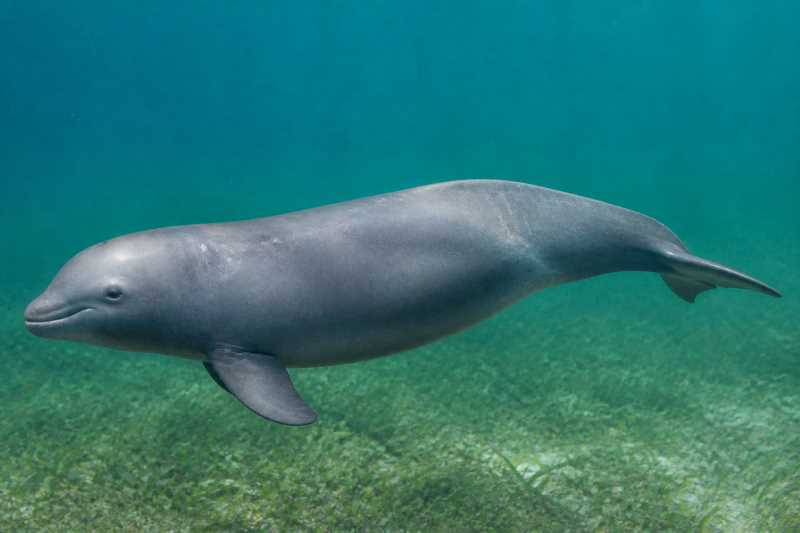
The Australian Snubfin Dolphin is distinct in appearance, setting it apart from other dolphin species. It is relatively small, with adults typically measuring between 2.0 to 2.7 meters in length and weighing up to 133 kilograms. The Snubfin Dolphin is named for its short, blunt snout, which is one of its most distinguishing features compared to other dolphins with longer beaks.
The coloration of the Snubfin Dolphin is another distinguishing feature. It exhibits a tricolored pattern: a dark dorsal side, lighter sides, and a pale, almost white belly. This coloration is thought to provide camouflage in their natural habitat. The dorsal fin is small and rounded, located about two-thirds along the back, which aids in easy identification.
Snubfin Dolphins have a flexible neck due to the unfused cervical vertebrae, allowing them greater mobility than many other dolphins. Their rounded forehead, or melon, is used for echolocation, a vital tool for navigation and hunting in murky coastal waters.
Range and Habitat
The Australian Snubfin Dolphin inhabits the shallow, tropical, and subtropical coastal waters of northern Australia. Its range extends from the Kimberley region in Western Australia across the Northern Territory to Queensland’s eastern coast. These dolphins prefer shallow waters, typically less than 20 meters deep, and are often found in river mouths, estuaries, and bays where the water is murky and full of nutrients.
Their preference for coastal habitats brings them into close proximity to human activities, making them susceptible to various environmental threats. The Snubfin Dolphin’s limited range and specific habitat preferences mean they are particularly vulnerable to habitat degradation and changes in their coastal environments.
Behavior and Diet
Australian Snubfin Dolphins are known for their social behavior, typically found in small groups known as pods, which can range from a few individuals to over a dozen. These pods are often structured around family groups, with strong social bonds observed within them.
Communication among Snubfin Dolphins involves a variety of clicks, whistles, and body language, essential for maintaining social bonds, navigation, and hunting. They are also known for their playful behavior, often seen leaping out of the water and riding waves.
The diet of the Snubfin Dolphin is diverse, primarily consisting of fish, squid, and crustaceans. They hunt using echolocation to locate prey in the often murky waters of their habitat. Snubfin Dolphins have been observed using a unique hunting technique known as "spitting," where they project water to herd fish.
Identification Tips (field recognition cues)
Identifying the Australian Snubfin Dolphin in the wild can be accomplished by noting several key features:
- Blunt Snout: Unlike other dolphins, Snubfin Dolphins have a notably short and rounded snout.
- Tricolored Pattern: Look for the distinctive dark dorsal side, lighter sides, and pale belly.
- Small Dorsal Fin: Their small, rounded dorsal fin is positioned toward the back of the body.
- Behavior: They are often seen in small pods and exhibit playful behaviors like leaping and wave-riding.
Conservation Status (with threats and protections)
The Australian Snubfin Dolphin is currently classified as "Near Threatened" by the International Union for Conservation of Nature (IUCN). Their limited range and specific habitat preferences make them particularly susceptible to environmental threats.
Threats
- Habitat Degradation: Coastal development and land-based pollution can degrade their habitats.
- Fishing Activities: Bycatch in fishing nets poses a significant threat to the species.
- Climate Change: Rising sea temperatures and extreme weather can impact their coastal habitats.
- Boat Traffic: Increased boat traffic can lead to collisions and disturbance.
Protections
Conservation efforts are underway to protect this unique species. Protected marine areas have been established in parts of their range, and initiatives to reduce bycatch in fisheries are being implemented. Public education campaigns aim to raise awareness about the Snubfin Dolphin and the importance of preserving their natural habitats.
Frequently Asked Questions
What are the key characteristics that differentiate the Australian Snubfin Dolphin from other dolphin species?
The Australian Snubfin Dolphin is distinguished by its short, blunt snout, tricolored body pattern, and small, rounded dorsal fin. It also exhibits unique behaviors like water "spitting" to herd fish.
Where can you typically find Australian Snubfin Dolphins?
These dolphins are native to the northern coastal waters of Australia, from Western Australia to Queensland, often found in shallow estuaries, river mouths, and bays.
What is the diet of the Australian Snubfin Dolphin?
Their diet primarily consists of fish, squid, and crustaceans. They hunt using echolocation and unique techniques such as water "spitting."
How can we help in the conservation of the Australian Snubfin Dolphin?
Supporting marine conservation efforts, reducing plastic use, and advocating for stricter fishing regulations can help protect their habitats and reduce threats.
Are Australian Snubfin Dolphins social animals?
Yes, they are highly social and typically found in small pods with strong social bonds, often engaging in playful behaviors.
Related posts