Introduction
The Javan mongoose (Urva javanica), a small carnivorous mammal native to Southeast Asia, is a fascinating species that has adapted well to various environments. Known for its agility and keen hunting skills, the Javan mongoose plays a crucial role in its ecosystem. This article delves into the unique characteristics, habitat, and behavior of the Javan mongoose, providing an in-depth understanding of this intriguing animal.
Physical Description
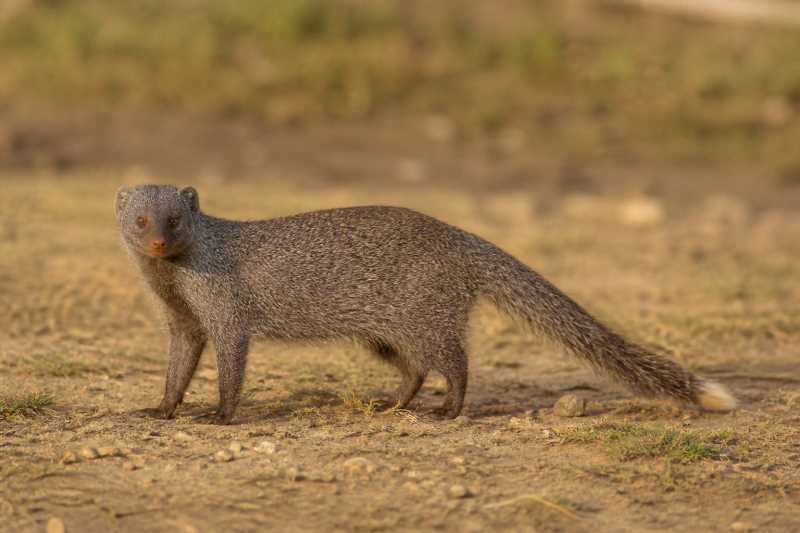
The Javan mongoose is a slender, agile mammal with a body length ranging from 40 to 65 cm, including a bushy tail that comprises nearly half its total length. Its weight varies between 0.5 to 1.5 kg, with males typically larger than females. The species features a pointed face, small rounded ears, and sharp, non-retractable claws that are ideal for digging and climbing. Their fur is generally a mix of brown and gray, providing excellent camouflage in their natural habitat. Notably, the Javan mongoose has a distinctive black tip on its tail, which aids in identification.
Range and Habitat
The Javan mongoose is predominantly found in Southeast Asia, including Indonesia, Malaysia, Thailand, and the Philippines. They thrive in a variety of habitats, from lowland forests and grasslands to agricultural areas and urban environments. Their adaptability allows them to coexist with human populations, though they tend to prefer areas with ample cover and abundant food sources. The Javan mongoose is also known to inhabit coastal regions, where they hunt for crabs and other marine prey.
Behavior and Diet
Javan mongooses are diurnal, being most active during the day. They are solitary creatures, although they may form small groups for mating purposes or when food is plentiful. The Javan mongoose is highly territorial, marking its range with scent glands to ward off intruders.
Their diet is varied and opportunistic, primarily consisting of insects, small mammals, birds, and reptiles. They are also known to consume fruits and eggs, making them both predators and scavengers. The Javan mongoose is particularly skilled at hunting snakes, displaying remarkable reflexes and agility to avoid venomous bites.
Identification Tips (field recognition cues)
Identifying a Javan mongoose in the wild can be challenging due to their elusive nature and the dense habitats they occupy. However, there are several key characteristics to look for:
- Size and Shape: Look for a small, slender mammal with a long bushy tail.
- Fur Color: Note the brownish-gray fur with a distinct black-tipped tail.
- Behavior: Observe their quick, agile movements and diurnal activity patterns.
- Habitat: Consider the environment; they are often found near water sources and in areas with dense vegetation.
Conservation Status (with threats and protections)
The Javan mongoose is currently listed as "Least Concern" by the International Union for Conservation of Nature (IUCN). However, they face several threats that could impact their populations in the future. Habitat destruction due to deforestation and agricultural expansion poses a significant risk. In addition, they are sometimes hunted for their fur and meat or killed as pests in agricultural areas.
Despite these challenges, the Javan mongoose benefits from legal protections in some regions and conservation efforts aimed at preserving their natural habitats. Continued monitoring and habitat preservation are crucial to ensuring their long-term survival.
Frequently Asked Questions
1. What do Javan mongooses eat? Javan mongooses have a varied diet that includes insects, small mammals, birds, reptiles, fruits, and eggs. They are skilled hunters, particularly known for preying on snakes.
2. Are Javan mongooses social animals? Javan mongooses are primarily solitary but may form small groups during mating seasons or when food is plentiful. They are territorial and use scent markings to ward off others.
3. Where can you find Javan mongooses? Javan mongooses are found in Southeast Asia, inhabiting Indonesia, Malaysia, Thailand, and the Philippines. They thrive in forests, grasslands, agricultural regions, and urban areas.
4. How do Javan mongooses avoid snake bites? Javan mongooses are agile and quick, using their speed and reflexes to dodge venomous snake bites. Their hunting technique involves swift, precise movements to capture prey.
5. What threats do Javan mongooses face? The primary threats to Javan mongooses include habitat destruction from deforestation and agriculture, as well as hunting for fur and meat. Conservation efforts focus on habitat preservation and legal protections.
Related posts