Introduction
Blyth’s Horseshoe Bat, scientifically known as Rhinolophus lepidus, is a fascinating mammal species belonging to the family Rhinolophidae. This small, insectivorous bat is renowned for its distinct horseshoe-shaped noseleaf, which plays a crucial role in its echolocation abilities. Named after the British zoologist Edward Blyth, this bat species is primarily found in the regions of South and Southeast Asia. Despite its widespread presence, detailed information about its ecology and behavior remains under-researched, making it a subject of interest for bat enthusiasts and researchers alike.
Blyth’s Horseshoe Bat serves as an important indicator of environmental health due to its sensitivity to habitat changes. Understanding its biology and ecological requirements is essential for conserving the biodiversity of the regions it inhabits. In this article, we delve into the various aspects of Blyth’s Horseshoe Bat, including its physical attributes, natural habitat, behavior, and conservation status.
Physical Description
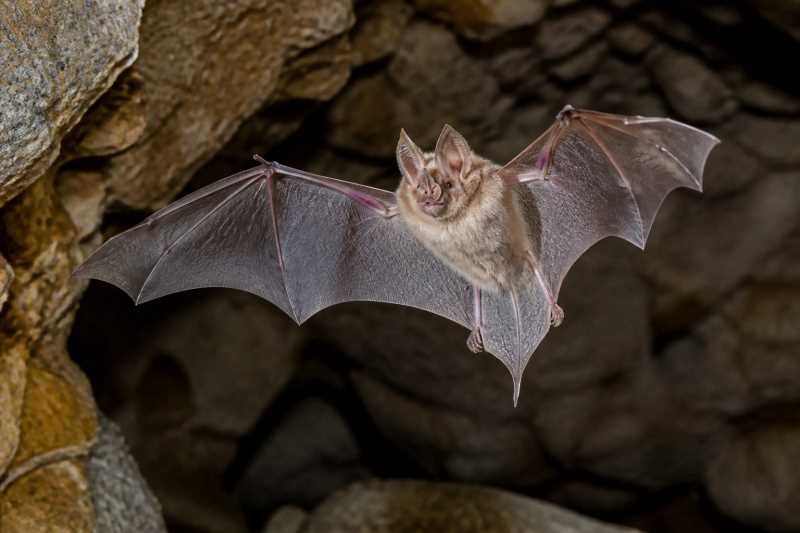
Blyth’s Horseshoe Bat is a small bat, with a forearm length ranging from 38 to 43 millimeters and a wingspan of around 30 to 35 centimeters. It weighs approximately 5 to 9 grams, making it one of the smaller members of the Rhinolophidae family. The most distinctive feature of this bat is its horseshoe-shaped noseleaf, which aids in echolocation by focusing sound waves. This noseleaf is complex, with various folds and flaps that give it a unique appearance.
The fur of Blyth’s Horseshoe Bat is soft and dense, with color variations ranging from grayish-brown to reddish-brown on the dorsal side, and a paler, often whitish, ventral side. The ears are relatively large and pointed, complementing the bat’s acute sense of hearing. The wings are narrow, enabling agile flight and maneuverability in cluttered environments such as forests and caves.
Range and Habitat
Blyth’s Horseshoe Bat is distributed across a wide range of South and Southeast Asia, including countries such as India, Nepal, Bhutan, Bangladesh, Myanmar, Thailand, Laos, Vietnam, Malaysia, and parts of southern China. It typically inhabits tropical and subtropical forests, preferring areas with dense vegetation and abundant insect prey.
This bat species is also known to roost in caves, old buildings, and other secluded structures that provide safety from predators and harsh weather conditions. The choice of roosting site is crucial for their survival, as it impacts their thermoregulation and energy conservation. Blyth’s Horseshoe Bat often shares these roosts with other bat species, forming mixed-species colonies.
Behavior and Diet
Blyth’s Horseshoe Bat is primarily nocturnal, emerging from its roosts at dusk to forage for food. Its diet consists mainly of small insects, including moths, beetles, flies, and mosquitoes. The bat employs echolocation to navigate and hunt, emitting high-frequency calls that bounce off objects and return as echoes, allowing it to detect and capture prey with remarkable precision.
Socially, Blyth’s Horseshoe Bat is known to form small to medium-sized colonies. These colonies are often composed of individuals of the same species, though mixed-species colonies are not uncommon. The bats communicate through a variety of vocalizations and body language, which play a role in mate attraction, territory defense, and group cohesion.
Reproduction in Blyth’s Horseshoe Bat is seasonal, with females giving birth to a single pup after a gestation period of approximately three to four months. The young are born blind and helpless, relying entirely on their mothers for nourishment and protection until they are capable of fending for themselves.
Identification Tips (Field Recognition Cues)
Identifying Blyth’s Horseshoe Bat in the field requires careful observation of its physical characteristics and behavior. Here are some tips for recognizing this species:
- Noseleaf Shape: Look for the distinctive horseshoe-shaped noseleaf, which is unique to the Rhinolophidae family. This feature is crucial for echolocation and stands out as a key identification marker.
- Size and Color: Note the bat’s small size, with a forearm length of 38 to 43 millimeters. The fur color can vary from grayish-brown to reddish-brown dorsally, with a paler ventral side.
- Echolocation Calls: Blyth’s Horseshoe Bat emits high-frequency echolocation calls. Using a bat detector tuned to the appropriate frequency range can help identify this species by its call patterns.
- Roosting Behavior: Observe roosting sites. Blyth’s Horseshoe Bat typically roosts in caves, old buildings, and dense foliage. They often form colonies, sometimes with other bat species.
- Flight Patterns: In flight, these bats demonstrate agile and maneuverable flying techniques, which can be observed during their nocturnal foraging activities.
Conservation Status (with Threats and Protections)
The International Union for Conservation of Nature (IUCN) currently lists Blyth’s Horseshoe Bat as a species of Least Concern, due to its wide distribution and presumed large population. However, like many bat species, it faces threats from habitat destruction, disturbance of roosting sites, and human activities such as deforestation and urbanization.
Habitat destruction is particularly concerning, as it reduces the availability of suitable roosting and foraging areas. Deforestation for agriculture and development leads to the fragmentation of habitats, isolating populations and making them more vulnerable to extinction.
Additionally, disturbance of roosting sites, whether intentional or accidental, can have severe impacts on bat colonies, leading to decreased reproductive success and increased mortality.
Conservation efforts for Blyth’s Horseshoe Bat focus on habitat protection and restoration, as well as raising awareness about the ecological importance of bats. Protected areas and national parks play a significant role in conserving the natural habitats of this species. Moreover, research and monitoring programs are essential to gathering data on population trends and threats, which can inform conservation strategies.
Frequently Asked Questions
What is the primary diet of Blyth’s Horseshoe Bat?
Blyth’s Horseshoe Bat primarily feeds on small insects, including moths, beetles, flies, and mosquitoes. It uses echolocation to detect and capture prey with precision during its nocturnal foraging activities.
How can I identify Blyth’s Horseshoe Bat in the wild?
To identify Blyth’s Horseshoe Bat, look for its distinctive horseshoe-shaped noseleaf, small size, and variable fur color. Observing its echolocation calls and roosting behavior can also aid in identification.
Where is Blyth’s Horseshoe Bat commonly found?
This bat species is commonly found across South and Southeast Asia, inhabiting tropical and subtropical forests. It roosts in caves, old buildings, and areas with dense vegetation.
What are the main threats to Blyth’s Horseshoe Bat?
The main threats to Blyth’s Horseshoe Bat include habitat destruction due to deforestation and urbanization, as well as disturbance of roosting sites. These threats lead to habitat fragmentation and population isolation.
What conservation measures are in place for Blyth’s Horseshoe Bat?
Conservation measures include habitat protection, restoration, and the establishment of protected areas. Research and monitoring programs are also vital for understanding population trends and implementing effective conservation strategies.
Related posts