Introduction
Davis’s Round-eared Bat (Lophostoma evotis) is a fascinating species within the family Phyllostomidae, known for its distinctive round ears and unique ecological role. Found primarily in Central and South America, this bat is a nocturnal insectivore contributing significantly to the biodiversity of its natural habitats. Understanding its behavior, habitat, and conservation status is crucial for ensuring its survival and maintaining the ecological balance it supports.
Physical Description
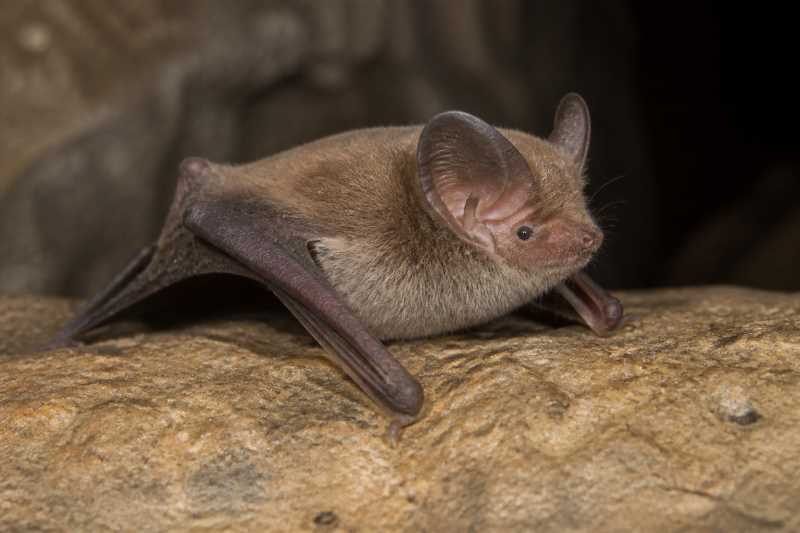
The Davis’s Round-eared Bat is a medium-sized bat, characterized by its round ears from which it derives its name. Its ears are relatively large compared to its head, giving it an alert and attentive appearance. The fur of this species is typically a dark brown or gray, providing excellent camouflage against the bark of trees where it often roosts.
The bat’s face is equipped with a prominent leaf-nose structure that assists in echolocation, allowing it to navigate and hunt effectively in the dark. The wings are long and narrow, adapted for fast and agile flight, which is essential for catching insects in mid-air. The tail is short, and the uropatagium (the membrane between the legs) is well-developed, aiding in maneuverability and speed during flight.
Range and Habitat
Davis’s Round-eared Bat is predominantly found in the tropical and subtropical regions of Central and South America. Its range includes countries like Mexico, Guatemala, Honduras, Nicaragua, Costa Rica, Panama, Colombia, Venezuela, and Ecuador.
This species prefers forested environments, particularly lowland rainforests and secondary growth forests. It is often found roosting in hollow trees, caves, and occasionally man-made structures. The availability of suitable roosting sites and a rich supply of insects makes these habitats ideal for their survival.
Behavior and Diet
Davis’s Round-eared Bat is primarily nocturnal, emerging at dusk to forage for food. Its diet mainly consists of insects, including moths, beetles, and other small invertebrates. The bat uses echolocation to detect and capture prey, emitting high-frequency calls that bounce off objects and return as echoes, providing information about the location, size, and shape of prey.
These bats are generally solitary or found in small family groups. Roosting sites are often shared with other bat species, indicating a level of communal tolerance. Mating typically occurs during the dry season, with females giving birth to one pup per year. The young are dependent on their mothers for several weeks before becoming independent.
Identification Tips (Field Recognition Cues)
Identifying Davis’s Round-eared Bat in the field involves looking for several key features:
- Ear Shape and Size: Look for the characteristic round ears which are larger relative to the head.
- Fur Color: Dark brown or gray fur can help distinguish it from other bat species.
- Flight Pattern: Observe their agile and fast flight, often seen darting through forest canopies.
- Echolocation Calls: Utilize a bat detector to listen for their high-frequency calls, which can provide clues to their presence.
- Roosting Sites: Check hollow trees or caves for signs of occupation, such as guano deposits.
Conservation Status (With Threats and Protections)
The conservation status of Davis’s Round-eared Bat is currently classified as Least Concern by the International Union for Conservation of Nature (IUCN). However, like many bat species, it faces several threats that could impact its populations in the future.
Threats:
- Habitat Loss: Deforestation and land conversion for agriculture are significant threats, reducing the availability of roosting and foraging habitats.
- Pesticide Use: The use of pesticides can reduce insect populations, their primary food source, and expose bats to harmful chemicals.
- Climate Change: Alterations in climate can affect the availability of suitable habitats and food sources.
Protections:
- Protected Areas: Many regions where the bat is found are within protected national parks and reserves, helping preserve critical habitats.
- Conservation Programs: Initiatives aimed at preserving forest habitats and promoting sustainable land use practices benefit this species.
Frequently Asked Questions
Q1: What is the primary diet of Davis’s Round-eared Bat? A: Davis’s Round-eared Bat primarily feeds on insects, including moths and beetles, using echolocation to hunt at night.
Q2: Where can Davis’s Round-eared Bat be found? A: This bat species is found in Central and South America, inhabiting countries like Mexico, Colombia, and Ecuador, primarily in tropical forests.
Q3: How can I identify Davis’s Round-eared Bat in the wild? A: Look for its distinctive round ears, dark brown or gray fur, and observe its agile flight pattern during nighttime.
Q4: What threats does Davis’s Round-eared Bat face? A: The bat faces threats such as habitat loss due to deforestation, pesticide use, and climate change, which impact its survival.
Q5: Is Davis’s Round-eared Bat endangered? A: Currently, it is classified as Least Concern, but ongoing threats could potentially lead to population declines if not addressed.
Related posts