Introduction
Dobson’s Lesser Mustached Bat, scientifically known as Pteronotus psilotis, is a remarkable species of bat that captivates researchers and wildlife enthusiasts alike. As a member of the family Mormoopidae, it holds a unique place in the biodiversity of the bat world. Found primarily in Central and South America, this species is known for its distinct physical characteristics and echolocation abilities. Understanding the intricacies of this bat’s life can shed light on the ecological roles it plays and the conservation challenges it faces.
Physical Description
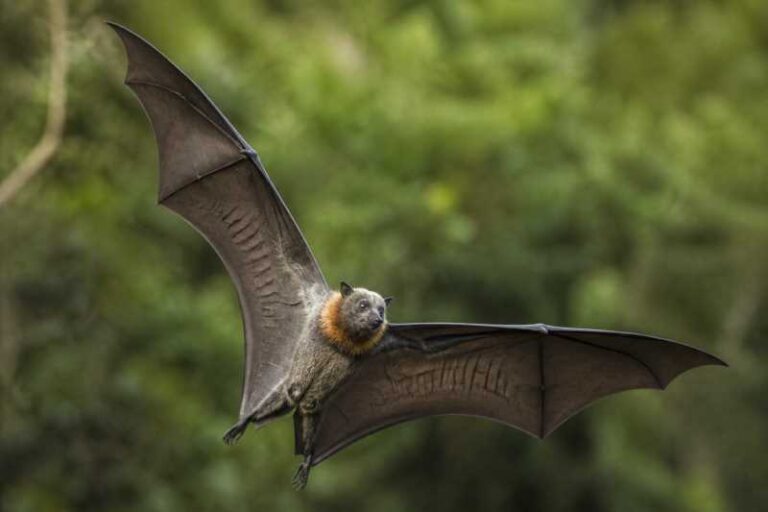
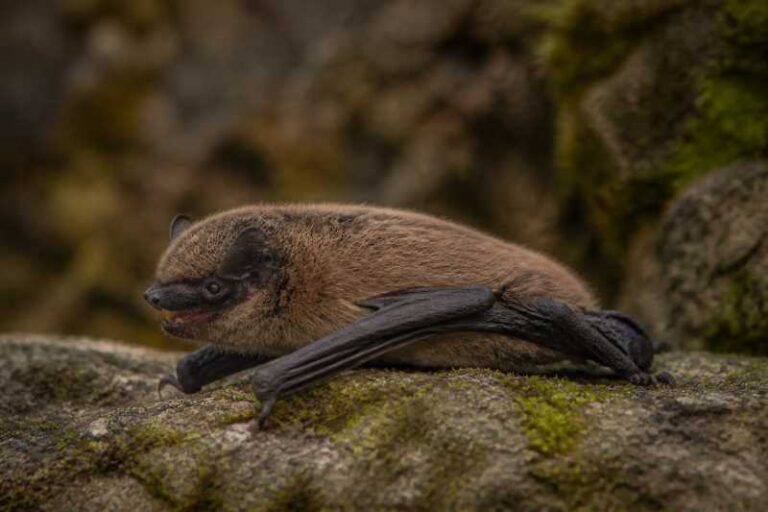
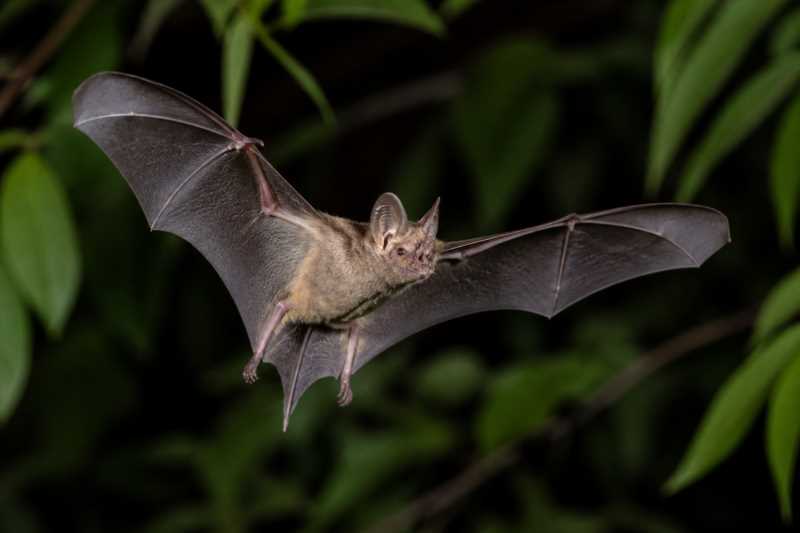
The Dobson’s Lesser Mustached Bat is a small to medium-sized bat species characterized by its unique facial features and streamlined body. It typically measures between 40 to 55 mm in length with a wingspan ranging from 30 to 35 cm. The fur is generally dark brown or gray, providing excellent camouflage against the bark of trees and cave surfaces where it roosts.
One of the most distinctive features of this bat is its "mustache," a line of bristly hair above the upper lip, which gives the species its common name. The ears are relatively large and rounded, aiding in their highly developed sense of echolocation. The nose is simple compared to other bats, lacking the elaborate nose-leaves seen in some other echolocating species. This streamlined head structure assists in reducing air resistance during flight.
Range and Habitat
Pteronotus psilotis is predominantly found in tropical and subtropical regions of Central and South America. Its range spans from southern Mexico through Central America, extending into parts of northern South America. The species shows a preference for lowland forests, often inhabiting both primary and secondary growth forests.
These bats are versatile in their habitat choices, roosting in caves, hollow trees, and occasionally man-made structures. They prefer locations that offer a stable microclimate and protection from predators. The availability of water sources nearby is also critical, as these bats often forage near rivers and streams.
Behavior and Diet
Dobson’s Lesser Mustached Bats are nocturnal creatures, emerging from their roosts at dusk to begin their nightly foraging activities. They are insectivorous, primarily feeding on small flying insects such as moths, beetles, and flies. Their diet is crucial in controlling insect populations, highlighting their ecological importance.
These bats utilize echolocation to navigate and locate prey, emitting high-frequency sounds that bounce off objects and return as echoes. This sophisticated hearing allows them to hunt with remarkable precision even in complete darkness. Socially, they are known to form colonies, which can range from a few individuals to several hundred, depending on the availability of suitable roosting sites.
Identification Tips (Field Recognition Cues)
Identifying Dobson’s Lesser Mustached Bat in the field requires keen observation and some familiarity with bat morphology. Here are some tips to help with identification:
- Size and Shape: Look for a small to medium-sized bat with a slender build and a wingspan of approximately 30 to 35 cm.
- Facial Features: Note the distinctive "mustache" of bristly hair above the upper lip.
- Ears and Nose: Check for large, rounded ears and a simple nose without elaborate structures.
- Fur Color: Observe the dark brown or gray fur, which blends well with forested environments.
- Behavior: Watch for their swift, agile flight patterns as they hunt for insects at night.
Conservation Status (With Threats and Protections)
As of the latest assessments, Dobson’s Lesser Mustached Bat is classified as "Least Concern" by the International Union for Conservation of Nature (IUCN). However, like many bat species, it faces several threats that could impact its populations.
Threats:
- Habitat Loss: Deforestation and land conversion for agriculture are significant threats, reducing available roosting and foraging areas.
- Disturbance: Human activities such as cave tourism and urban development can disturb roosting sites.
- Climate Change: Changes in temperature and precipitation patterns can affect insect availability and roosting conditions.
Protections:
- Protected Areas: Many regions within the bat’s range are protected under national parks and reserves.
- Legislation: Some countries have specific laws aimed at bat conservation, including restrictions on cave disturbances.
Conservation efforts must continue to focus on habitat preservation and public education to maintain stable populations of this vital species.
Frequently Asked Questions
What do Dobson’s Lesser Mustached Bats eat?
Dobson’s Lesser Mustached Bats primarily feed on small flying insects, including moths, beetles, and flies. Their diet plays a crucial role in controlling insect populations.
How can you identify a Dobson’s Lesser Mustached Bat?
Key identification features include their medium-sized body, distinctive bristly "mustache," large rounded ears, simple nose, and dark fur color.
Where do Dobson’s Lesser Mustached Bats live?
These bats inhabit tropical and subtropical regions of Central and South America, preferring lowland forests and roosting in caves or hollow trees.
Are Dobson’s Lesser Mustached Bats endangered?
Currently, they are classified as "Least Concern" by the IUCN, but they face threats from habitat loss, disturbance, and climate change.
How do Dobson’s Lesser Mustached Bats use echolocation?
They emit high-frequency sounds that bounce off objects and return as echoes, allowing them to navigate and hunt insects in complete darkness.
Related posts