Introduction
Hamilton’s Tomb Bat, scientifically known as Taphozous hamiltoni, is a fascinating species of bat belonging to the Emballonuridae family. This species, like many other members of its family, exhibits unique adaptations that make it an intriguing subject of study for mammalogists and wildlife enthusiasts alike. Found primarily in certain regions of Africa, Hamilton’s Tomb Bat plays a critical role in its ecosystem, contributing to insect population control and serving as a prey species for larger predators.
Despite its importance, this species remains relatively under-researched compared to many other mammalian species, largely due to its elusive nature and nocturnal habits. This article aims to shed light on the physical characteristics, habitat preferences, behavioral patterns, and conservation status of Hamilton’s Tomb Bat, providing a comprehensive overview for researchers, conservationists, and anyone interested in chiropteran fauna.
Physical Description
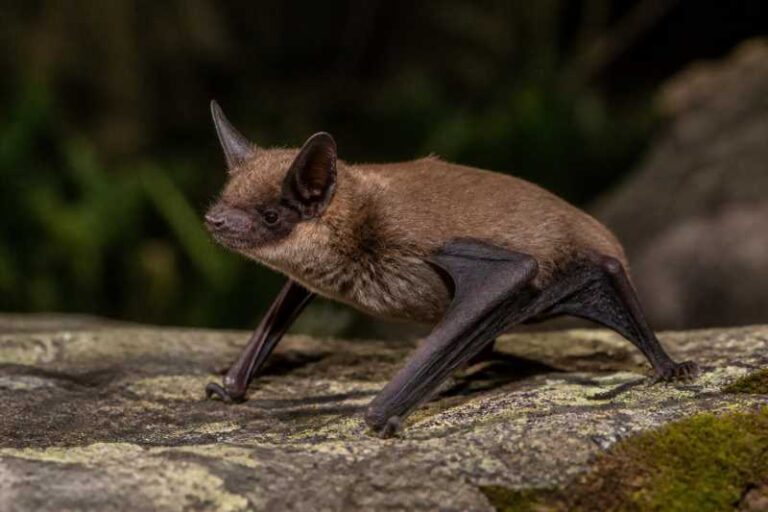
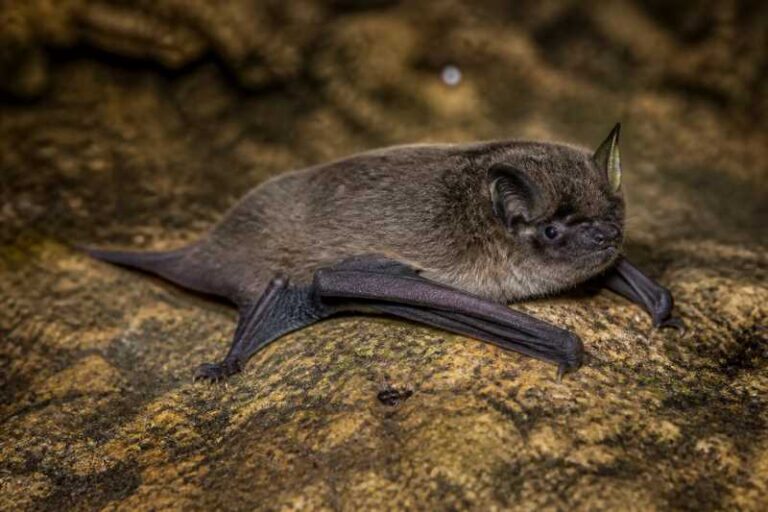
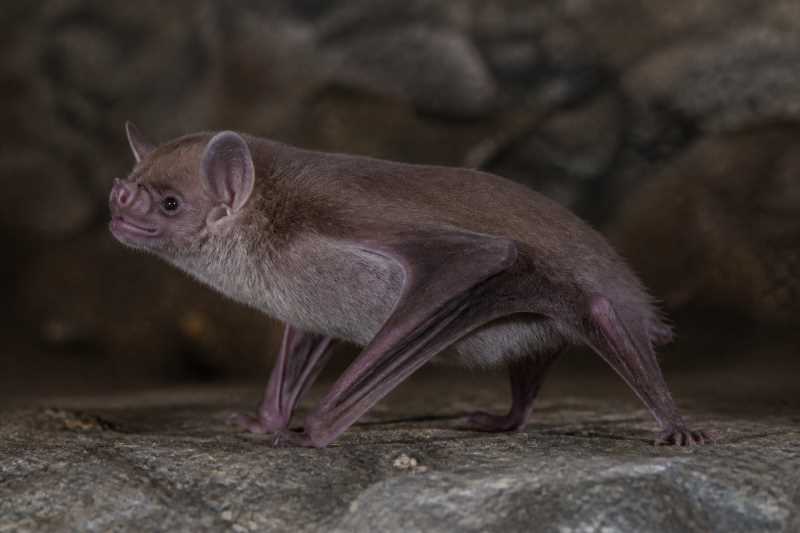
Hamilton’s Tomb Bat is characterized by its medium-sized body, with an average wingspan ranging between 30 to 35 centimeters. The fur of this bat is generally a light to medium brown, providing effective camouflage against the rocky and cave-like environments it typically inhabits. The fur is soft and dense, a common trait among members of the Emballonuridae family, which helps in thermoregulation.
One of the most distinctive features of Hamilton’s Tomb Bat is its wing structure. The wings are long and narrow, adapted for fast and agile flight, which is crucial for catching insects mid-air. The wing membranes are translucent, and the fingers, which support the wing membrane, are elongated. This species has a unique pouch located near the elbow of each wing, which is used for various functions, including social interactions and possibly even in the emission of scent markers.
The facial structure of Hamilton’s Tomb Bat is also noteworthy. It has a relatively flat snout and large, forward-facing eyes, which enhance its nocturnal vision. The ears are moderately sized and slightly pointed, with a tragus that aids in echolocation, a vital navigation and hunting tool for bats.
Range and Habitat
Hamilton’s Tomb Bat is primarily found in sub-Saharan Africa, ranging from West Africa to parts of East Africa. Its distribution is closely tied to the availability of suitable roosting sites, which are often found in rocky crevices, caves, and tombs, hence the name "tomb bat."
This species prefers arid and semi-arid environments, although it can also be found in savannahs and open woodlands. The selection of roosting sites is influenced by factors such as temperature, humidity, and the presence of predators. During the day, Hamilton’s Tomb Bat typically roosts in large colonies, which can provide additional warmth and protection from predators.
The habitat selection of Hamilton’s Tomb Bat is not solely based on the physical characteristics of the roosting sites but also on the availability of food resources. Areas with abundant insect populations are particularly attractive for foraging purposes.
Behavior and Diet
Hamilton’s Tomb Bat is primarily nocturnal, emerging at dusk to begin its nightly foraging activities. It is an insectivorous species, feeding on a wide variety of insects, including moths, beetles, and flies. The bat uses echolocation to detect and capture its prey, emitting high-frequency sound waves that bounce off objects and prey, providing an auditory map of its surroundings.
Socially, Hamilton’s Tomb Bat is known to roost in colonies, which can range from a few individuals to several hundred. These colonies are often mixed-sex, although there may be some degree of segregation based on age or reproductive status. Communication within colonies is facilitated by a combination of vocalizations and chemical signals, which help maintain social bonds and coordinate activities.
Reproduction in Hamilton’s Tomb Bat is seasonal, with mating typically occurring in the warmer months. Females give birth to a single pup after a gestation period of approximately three to four months. The young are altricial, requiring significant parental investment before they are capable of independent flight and foraging.
Identification Tips (Field Recognition Cues)
Identifying Hamilton’s Tomb Bat in the field requires careful observation of several key features. The following tips can assist in accurate identification:
- Size and Shape: Look for a medium-sized bat with a wingspan of about 30 to 35 centimeters. The body is slender, and the wings are long and narrow.
- Coloration: Note the light to medium brown fur, which may appear lighter in bright light. The fur is dense and soft, providing effective camouflage.
- Wing Pouches: Observe the presence of pouches near the elbows of the wings, a distinctive feature of this species.
- Flight Pattern: Watch for agile and fast flight patterns, often characterized by quick maneuvers to catch insects.
- Roosting Behavior: Check for colonies in rocky crevices, caves, or tombs, especially in arid or semi-arid regions.
Conservation Status (With Threats and Protections)
Currently, Hamilton’s Tomb Bat is classified as of "Least Concern" by the International Union for Conservation of Nature (IUCN). However, this status does not imply that the species faces no threats. Habitat destruction, particularly the disturbance of roosting sites due to human activities such as mining and tourism, poses significant risks to local populations.
Additionally, agricultural practices that lead to a reduction in insect prey availability can indirectly impact the bat’s feeding success. Pesticide use is another potential threat, as it can reduce the abundance of insects and introduce toxic substances into the bat’s food chain.
Conservation efforts for Hamilton’s Tomb Bat focus on habitat protection and management. This includes safeguarding roosting sites from disturbance and promoting sustainable agricultural practices that maintain healthy insect populations. Further research is also needed to better understand the species’ ecology and inform conservation strategies.
Frequently Asked Questions
Why is this species unique?
Hamilton’s Tomb Bat is unique due to its specialized adaptations for nocturnal life, including its echolocation abilities and distinctive wing pouches. These features, combined with its preference for roosting in tomb-like environments, make it a fascinating subject for ecological and behavioral studies.
What role does Hamilton’s Tomb Bat play in the ecosystem?
This bat species plays a crucial role in controlling insect populations, helping to maintain ecological balance. By preying on various insects, Hamilton’s Tomb Bat contributes to pest control, which can benefit agriculture and reduce the spread of insect-borne diseases.
How can we help conserve Hamilton’s Tomb Bat?
To conserve Hamilton’s Tomb Bat, it is essential to protect their natural habitats and roosting sites. Supporting conservation organizations, advocating for sustainable land use practices, and raising awareness about the importance of bats in ecosystems can all contribute to the conservation of this species.
Are Hamilton’s Tomb Bats dangerous to humans?
Hamilton’s Tomb Bats are not dangerous to humans. They are insectivorous and do not pose any direct threat. However, as with all wild animals, it is important to observe them from a distance and avoid disturbing their natural behaviors and habitats.
What are the main threats to Hamilton’s Tomb Bat?
The main threats to Hamilton’s Tomb Bat include habitat destruction, disturbance of roosting sites, and reduction in prey availability due to pesticide use. Conservation efforts focus on mitigating these threats through habitat protection and sustainable practices.
Related posts